Mildew Remover Home Depot: 2026 Product Category Guide
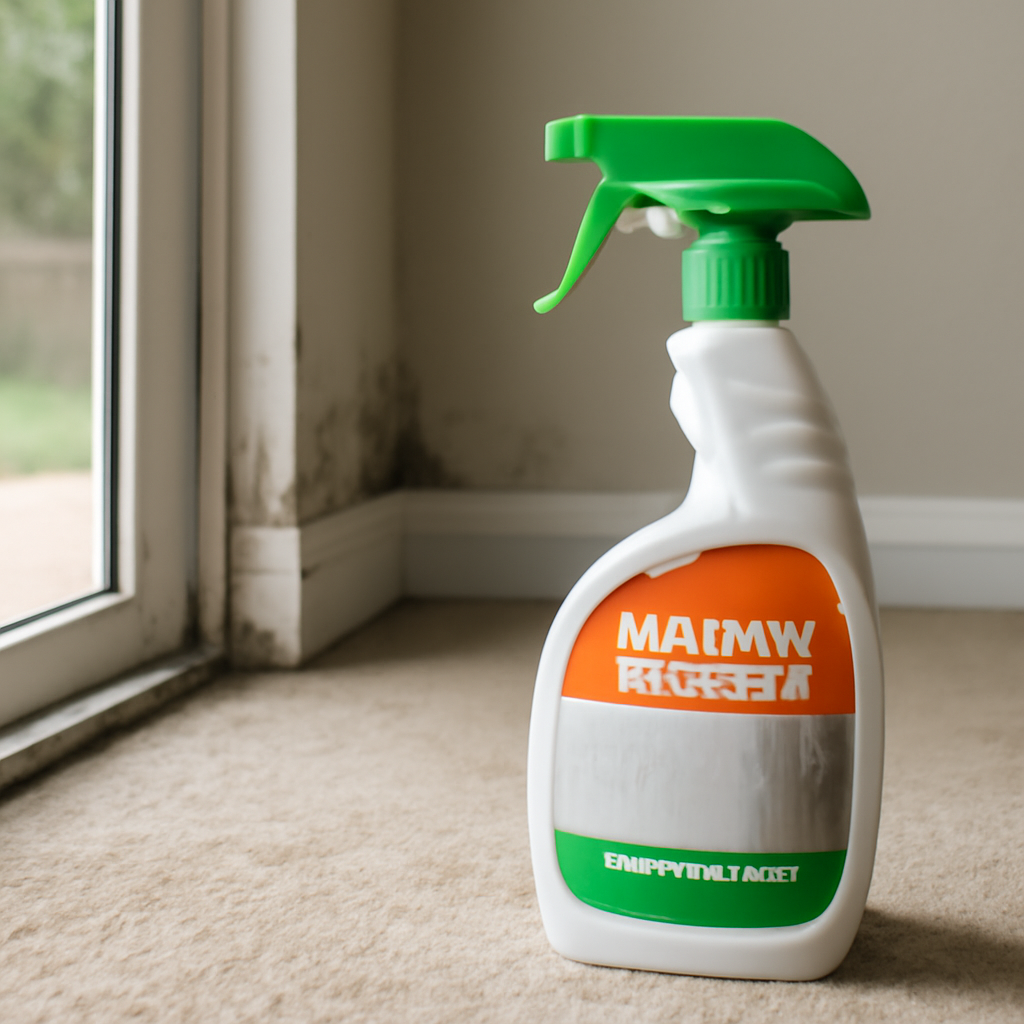
Mildew is a colloquial term, not a scientific species, so the cleaners sold under that label cover a wide range of chemistries and price points. Walk into a Home Depot looking for a mildew remover and the typical shelf carries X-14, Tilex Mold and Mildew Remover, CLR Mold and Mildew Stain Remover, Mold Armor Instant, and several generic store-brand options. Prices range from about $4 for a generic 32-ounce trigger spray to $20 for a name-brand quart. This guide summarizes EPA and CDC guidance current as of 2026 with manufacturer-published label data — consult a certified mold professional for visible growth larger than ten square feet, and your physician for respiratory symptoms.
Is this mold, asbestos, or water damage? Get a free instant screen
Upload a clear photo of the suspect area. You'll get an instant AI screening opinion and what to do next. This is screening guidance, not a professional determination.
Screening guidance only. AI can be wrong. Confirm asbestos, mold type, or lead with lab testing or a licensed professional before acting.
The Mold vs Mildew Distinction
Mildew, in everyday usage, refers to surface-level fungal growth on tile grout, shower caulk, painted exterior siding, fabric, and outdoor furniture. It is usually Cladosporium, Alternaria, Aureobasidium, or similar pigmented organisms that thrive on damp surfaces in normal indoor air. Mold, in the same casual usage, often implies deeper or more serious growth — Stachybotrys chartarum, certain Aspergillus species, Penicillium colonies behind drywall.
The distinction matters for product selection because mildew lives on the surface where consumer cleaners can reach it. Structural mold typically does not. A bottle that promises to remove mildew from shower grout is well-matched to its job. The same bottle applied to a damp basement corner growing real Stachybotrys is fighting above its weight class.
X-14: The Bleach-Based Workhorse
X-14 is one of the oldest brand names in the category, sold by WD-40 Company. The active ingredient is sodium hypochlorite at roughly 5% — slightly higher than household laundry bleach. A 32-ounce bottle runs $8 to $12 at Home Depot. The product targets the dark pigment in mildew staining and clears most bathroom-grout discoloration within minutes of dwell time.
X-14 works well on tile, glazed porcelain, fiberglass tub surrounds, and sealed grout. It performs poorly on natural stone (etches), colored grout (fades), unsealed wood (raises fiber), and fabric (bleaches dye). The pungent chlorine odor during application requires good ventilation and an N95 respirator for sensitive users.
Tilex Mold and Mildew Remover
Tilex is owned by Clorox and exists in two main formulations. The classic Tilex Mold and Mildew Remover uses sodium hypochlorite similar to X-14. A newer hydrogen-peroxide variant — sometimes labeled “Tilex Tough Smell-Free Bleach” or “Tilex Mold and Mildew Stain Remover with Bleach Alternative” — uses 3% to 6% hydrogen peroxide instead. The peroxide version costs slightly more, runs slightly slower on visible stains, but produces no chlorine fumes.
A 32-ounce bottle of either Tilex variant runs $7 to $12 at Home Depot. Tilex’s brand strength is consumer recognition; the chemistry is comparable to several private-label products at lower price points. For homeowners with chemical sensitivities, the hydrogen-peroxide variant is the better choice.
CLR Mold and Mildew Stain Remover
CLR (Calcium Lime Rust) is best known for hard-water deposits, but the brand also sells a dedicated mold and mildew product. The active ingredient is sodium hypochlorite at moderate concentration, paired with surfactants that improve coverage on vertical surfaces. The 32-ounce bottle runs about $10 at Home Depot.
CLR’s stain-remover formulation is engineered to cling to walls and grout lines without dripping immediately. That extended dwell time on vertical surfaces is meaningful for bathroom-wall and shower-stall applications where dripping bleach pools on the floor before reaching the target staining.
Mold Armor Instant Mold and Mildew Stain Remover
Mold Armor is a brand owned by Home Armor and one of the most-stocked mildew-remover SKUs at Home Depot. The Instant variant uses sodium hypochlorite at a higher concentration than most competitors, advertising visible stain reduction within 15 to 30 seconds. A 32-ounce bottle runs $9 to $14.
The speed comes with a trade-off: higher concentration means stronger fumes and more aggressive bleaching of adjacent surfaces. Test patches on colored grout and fabric are essential. Mold Armor also sells a separate Rapid Clean Remover (similar high-concentration bleach) and an exterior Mildew and Algae Stain Remover for siding and concrete. For broader product-category context, the sibling article on mold spray Home Depot covers the parallel mold-targeted shelf.
Generic and Store-Brand Options
Home Depot also stocks HDX-brand and several private-label mildew removers at $4 to $7 per 32-ounce bottle. These are typically diluted bleach-and-water solutions with minor surfactant additions. The active-ingredient concentration is usually lower than name-brand products, which means longer dwell time for equivalent stain reduction but smaller risk of damaging colored surfaces.
For routine bathroom maintenance — weekly grout cleaning, monthly tub-surround treatment — store-brand products at $5 are economically rational and chemically adequate. Save the higher-concentration name-brand products for stubborn or aged staining where speed matters.
Encapsulant Alternatives
Home Depot also stocks Concrobium Mold Control, an encapsulant rather than a biocide. Concrobium dries into a thin crystalline film that physically crushes spores. A 32-ounce bottle runs $14 to $18, gallon refills $25 to $30. Concrobium does not bleach staining, so it pairs poorly with cosmetic restoration needs but excels as a preventive treatment after detergent-and-water cleaning.
For homeowners with children, asthmatic occupants, or pets in the home, encapsulants are usually a better choice than concentrated bleach sprays for ongoing maintenance.
What Mildew Removers Cannot Do
No consumer mildew remover will:
- Address growth inside wall cavities, under flooring, or in HVAC systems
- Substitute for moisture-source correction (the growth returns within weeks if humidity stays elevated)
- Remove dead spores from indoor air — HEPA filtration handles that
- Penetrate to mold hyphae embedded in porous drywall or unsealed wood
- Handle growth larger than the EPA’s ten-square-foot professional-remediation threshold
If a bathroom corner needs cleaning every two weeks for the same recurring stain, the cleaner is doing its job — the building envelope is not. Solving the ventilation, humidity, or leak issue ends the cleaning cycle. Our piece on what prevents mold from growing covers the moisture-control side.
Surface Compatibility Cheat Sheet
- Ceramic tile and glazed porcelain: safe with any bleach-based product
- Natural stone (marble, travertine, limestone): bleach etches — use peroxide or encapsulant only
- Colored grout: bleach fades — test patch first
- Fiberglass tub and shower surrounds: safe with most products at labeled dwell time
- Fabric shower curtains: bleach removes dye — use peroxide-based products only
- Untreated or unsealed wood: bleach raises fiber and discolors — avoid
- Chrome and brass fixtures: short contact only, rinse thoroughly
- HVAC components: never apply consumer sprays inside ductwork or onto coils
Pricing Reality on the Front Range
As of 2026, a homeowner walking into a Denver-area Home Depot can expect:
- HDX or store-brand bleach mildew remover: $4 to $7 per 32 ounces
- Tilex Mold and Mildew Remover: $7 to $12 per 32 ounces
- X-14: $8 to $12 per 32 ounces
- CLR Mold and Mildew Stain Remover: $9 to $11 per 32 ounces
- Mold Armor Instant: $9 to $14 per 32 ounces
- Concrobium Mold Control: $14 to $18 per 32 ounces, $25 to $30 per gallon
For routine maintenance of one bathroom and a kitchen, a homeowner spends $30 to $60 annually on consumable cleaners. Compared to the cost of unaddressed recurring mildew on a fabric shower curtain or sealed grout, the spend is modest.
Bleach Versus Peroxide Chemistry
The two dominant active ingredients in this category — sodium hypochlorite (bleach) and hydrogen peroxide — produce different cleaning outcomes through different chemistry. Sodium hypochlorite is a powerful oxidizer that breaks down pigmented molecules quickly, producing dramatic visible stain reduction. The downside is chlorine off-gassing during application, corrosion of metal fixtures with extended contact, and bleaching of colored grout and fabric.
Hydrogen peroxide is also an oxidizer but produces only water and oxygen as decomposition products. The cleaning action is slower and the visible stain reduction less dramatic. For routine maintenance in homes with chemical-sensitive occupants, the peroxide chemistry trades visual immediacy for occupant safety. Many homeowners switch to peroxide-based products after a year or two of bleach exposure makes them realize how strongly bleach affects respiratory comfort.
A third chemistry — non-biocide encapsulants like Concrobium — uses mechanical crushing of spores rather than oxidation. The trade-off is the lack of any stain-removing action; surfaces still show the original discoloration even when the colony is dead. Pair Concrobium with detergent-and-water washing or a brief peroxide spray for the cosmetic side.
Outdoor Versus Indoor Applications
Home Depot also stocks dedicated outdoor mildew removers and house-wash concentrates. Mold Armor Mildew and Algae Stain Remover, Wet and Forget, and similar products target the green and black staining common on north-facing siding, concrete patios, deck boards, and roof shingles. These formulations include surfactants that cling to vertical exterior surfaces longer than indoor products.
Outdoor products typically run $15 to $25 per gallon and dilute for use through hose-end sprayers or pump-up garden sprayers. Coverage runs about 500 to 1,000 square feet per gallon at typical dilution. For a 2,000-square-foot Front Range home with moderate north-facing siding mildew, a single application costs about $20 to $40 in product plus a few hours of labor.
Indoor and outdoor products are not interchangeable. Indoor concentrations are higher and intended for short dwell times on small areas. Outdoor formulations include UV-stable surfactants and dilute concentrations meant for broader coverage. Using a 32-ounce indoor trigger spray on siding wastes product without effective coverage; using an outdoor concentrate inside a bathroom over-applies the chemistry to limited surface area.
How to Use Any of These Products Correctly
Ventilate the area before, during, and after application. Wear nitrile gloves and eye protection at minimum; add an N95 respirator for surfaces larger than a square foot. Wet thoroughly rather than misting. Allow labeled dwell time (5 to 15 minutes for most bleach products, longer for peroxide). Rinse with clean water if the surface contacts food or skin (bathtubs, kitchen counters). Never mix products — bleach plus ammonia produces chloramine gas, bleach plus acid produces chlorine gas.
Document the work. Photograph before, immediately after, and 30 days later. Recurrence within that window indicates the moisture problem still needs attention.
When the Cleaner Is Not Enough
Escalate from cleaning to inspection when growth exceeds about ten square feet, when growth recurs within 30 days despite correct treatment, when occupants experience respiratory symptoms in a specific room, or when an insurance claim or real-estate disclosure requires documentation. Our hub on mold inspection and testing covers the workflow from suspicion to professional assessment.
Seasonal Use Patterns in Front Range Homes
Mildew growth patterns vary seasonally across Colorado homes. Summer monsoon weeks (typically July through early September) bring elevated outdoor humidity that pushes basement and bathroom mildew activity higher. Winter months tend to be drier overall but produce localized condensation issues on cold exterior walls and windows where indoor humidification meets outdoor cold.
This pattern affects when mildew removers get used most heavily. Many Front Range homeowners stock up on cleaners during late spring in anticipation of monsoon season. Others discover the need mid-July when basement and bathroom growth becomes visible. Either approach works; the key is having product on hand when growth appears rather than postponing cleaning while shopping.
For homes with chronic basement humidity issues, monthly preventive treatment during peak monsoon weeks beats reactive treatment after visible colonies develop. A light Concrobium fog or a wipe-down with peroxide spray on previously affected surfaces suppresses new growth at lower cost than the repeated heavy cleanings required after monthly recurrence.
References
- EPA Mold Cleanup in Your Home — U.S. Environmental Protection Agency
- CDC Homeowner Mold Cleanup Guide — Centers for Disease Control and Prevention
- InterNACHI Mold Inspection Standards — International Association of Certified Home Inspectors
- EPA Brief Guide to Mold, Moisture, and Your Home — U.S. Environmental Protection Agency
If a Front Range bathroom or laundry room keeps regrowing mildew despite weekly cleaning, the moisture pathway is the real problem. Connect with a vetted local inspector through our contact page to identify the source before buying another bottle.