Mold After Water Damage: The 48-Hour Prevention Window
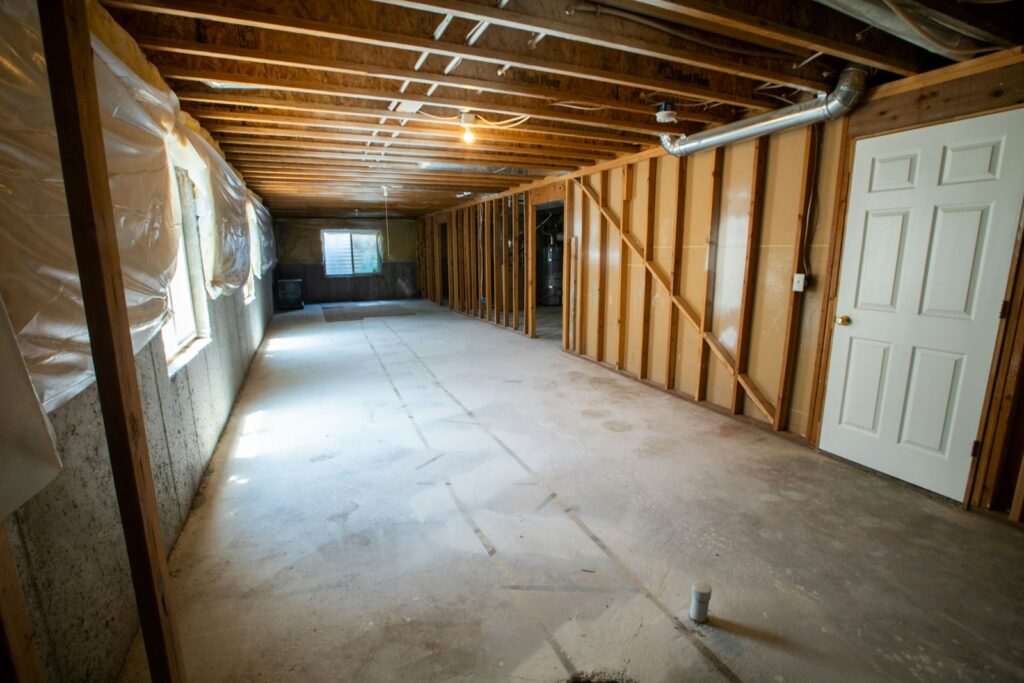
Whether water damage turns into a mold problem is usually decided in the first two days. The EPA is blunt about the deadline: mold will begin to grow on damp materials within 24 to 48 hours. Dry the materials completely inside that window and you likely have a plumbing repair. Miss it, and a straightforward drying job becomes a remediation job that costs several times more and can affect the health of everyone in the house. This page covers how fast mold actually establishes, exactly what to do in the first 24 hours, and how to tell whether you have already crossed the line.
Is this mold, asbestos, or water damage? Get a free instant screen
Upload a clear photo of the suspect area. You'll get an instant AI screening opinion and what to do next. This is screening guidance, not a professional determination.
Screening guidance only. AI can be wrong. Confirm asbestos, mold type, or lead with lab testing or a licensed professional before acting.
How fast does mold actually grow on wet materials?
Mold spores are present in essentially all indoor air already. They do not need to arrive from somewhere; they only need moisture, a food source, and time. Most of what a house is built and finished with is food: the paper facing on drywall, wood framing, paper-faced insulation, and ordinary settled dust all feed mold. Once those materials stay wet, the clock the EPA describes starts running.
Growth speed depends on the organism and the material:
- Aspergillus and Penicillium (reported together as “Asp/Pen” on lab results) are the most common indoor genera and begin colonizing saturated cellulose within 24 to 48 hours at room temperature.
- Cladosporium, another near-universal indoor and outdoor mold, colonizes on a similar timeline and is a frequent finding after leaks.
- Stachybotrys chartarum, the greenish-black mold that gets called “toxic black mold,” is slower and pickier. It needs cellulose that stays consistently wet for one to three weeks, which is why it is a signature of leaks that were ignored, not of a single overnight spill.
The practical takeaway: colonies are forming underneath the surface days before you can see them. By the time a patch is visible, it has usually been growing for the better part of a week.
The first 24 hours: what to do right now
If water damage just happened, work through this in order:
- Stop the source. Shut off the supply valve to a leaking fixture, close the main if you cannot find it, or tarp a roof leak. Nothing else matters until the water stops.
- Photograph everything with timestamps. Take phone photos before you move anything; the embedded date and time establish when the damage was discovered, which matters for an insurance claim.
- Pull out saturated porous materials. Soaked drywall, carpet padding, and paper-faced insulation rarely recover and hold water against framing. Removing them is the fastest way to stop the moisture feeding a colony.
- Move contents off the wet floor. Wood furniture legs wick water upward and upholstery pulls moisture into fabric that then grows its own mold.
- Dry aggressively and measure humidity. Run box fans and a dehumidifier continuously and aim to hold indoor relative humidity below 60 percent, which the EPA identifies as the ceiling where mold growth is discouraged. A cheap hygrometer tells you whether the room is actually drying or just feels dry.
- Call for professional drying on anything beyond a small spill. Commercial air movers and desiccant dehumidifiers pull water out of framing and subfloor far faster than household fans, and this work is frequently covered when the underlying peril is covered.
Speed is the entire strategy. As the EPA’s home mold-cleanup guidance puts it, the surest way to control mold is to control moisture and dry wet materials within 24 to 48 hours.
Why the Front Range climate can fool you
Colorado’s dry air is a double-edged advantage. Low ambient humidity does slow surface mold, which is why the Front Range sees less bathroom-and-window mold than the humid Southeast. But the same dry air evaporates surface moisture quickly and makes a wall look dry while the cavity behind it, the subfloor, or the sill plate stays saturated for days. Homeowners here routinely assume a leak “dried on its own” because the visible surface felt fine, while a hidden pocket kept a colony fed. If a wall got genuinely wet, confirm it is dry inside the cavity, not just on the paint. Our guide on how to detect mold inside walls covers moisture meters and where hidden growth hides.
When can you clean it yourself, and when do you call a pro?
The EPA gives a usable size rule: if mold covers less than about 10 square feet, a roughly 3-by-3-foot patch, most people can clean it themselves with proper precautions. Above that, or if the water came from a source you cannot identify, the agency recommends following larger-scale remediation practices or hiring a contractor. A few things override the size rule entirely and mean you should stop and bring in a professional: mold in the HVAC system, sewage or other contaminated water, or growth returning after you have cleaned it.
Two cautions the EPA and CDC both make: never mix bleach with ammonia or other cleaners, because the combination produces toxic gases, and understand that killing mold is not the same as removing it. Dead spores still trigger allergic reactions, so porous material that grew mold generally has to be thrown out, not just wiped. If you are past the size threshold, start with a mold inspection to map the full extent before anyone starts tearing out drywall, and see our walkthrough on removing mold caused by water damage.
Signs mold has already taken hold
If the water sat for more than 48 hours before you found it, assume colonization has started even without visible proof, and look for these confirmations:
- A musty, earthy odor. Often the first detectable sign, appearing before anything is visible. It is the smell of mold metabolism inside a wall or under flooring.
- Visible patches. White, gray, green, or black specks, films, or fuzzy spots. Visible growth means the colony is days old, not hours.
- Soft or spongy drywall paper. Active mold breaks down the cellulose facing, so the paper loses its stiffness.
- Discoloration creeping past the original wet line. Colonies expand outward from where they started.
- New or worsening symptoms in occupants. The CDC links indoor mold exposure to stuffy nose, wheezing, coughing, and red or itchy eyes, with stronger reactions in people who have asthma or allergies. Symptoms that started after the leak are a signal worth taking seriously.
Once any of these are present, this is no longer a drying job. It is remediation, and the person you hire should be set up for mold containment and post-cleanup verification, not just water extraction. If black mold specifically is involved, our page on whether black mold from water damage is dangerous puts the health risk in context.
What a fast response actually saves
The economic case for moving fast is at least as strong as the health case. A same-day response to a clean-water leak is a drying-and-patch job. Let the same water sit until colonies establish and you add containment, material removal, and verification testing on top of the original repair, and insurers often cap mold payouts under a separate sub-limit or deny them outright as a maintenance issue when a leak went unaddressed. The square footage of damage is identical in both cases; the only variable is how many hours passed. That is why documenting the discovery date with timestamped photos and starting to dry immediately protects both your health and your claim.
InspectandTest is an independent editorial team, not a licensed restoration or remediation contractor. This guidance summarizes EPA and CDC recommendations; for a significant water event, hire a qualified professional.