CO2 Monitor: What Homeowners Need to Know
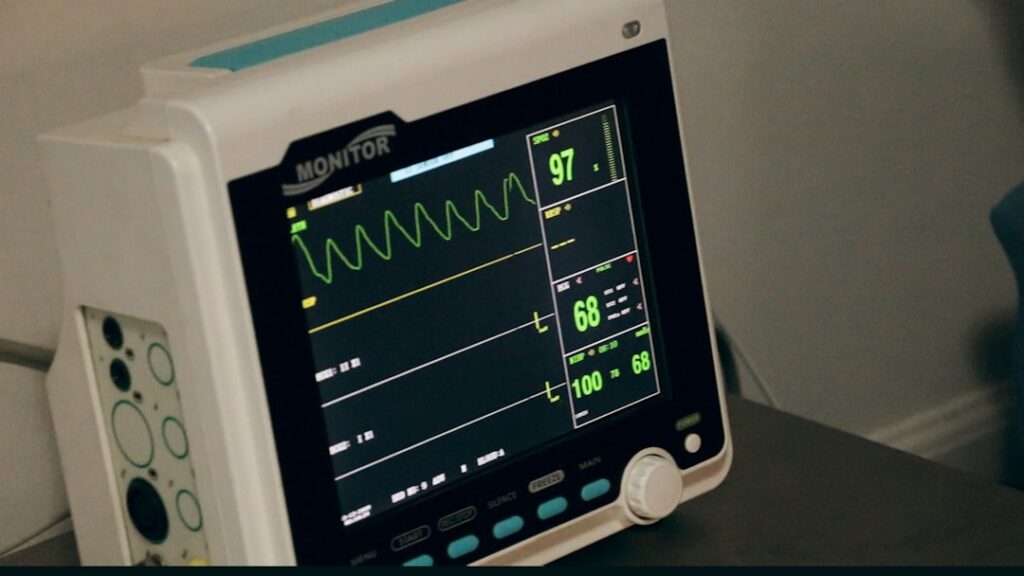
Stuffy rooms, afternoon drowsiness, and a sense that the air feels stale all point to one measurable thing: carbon dioxide. A CO2 monitor puts a number on it, telling you how well a room is ventilated and whether fresh air is keeping up with the people inside. These devices became common in offices, classrooms, and homes as awareness of indoor air quality grew. This guide explains what a CO2 monitor measures, how to read the numbers, what counts as healthy, and the critical difference between carbon dioxide and carbon monoxide. The air-quality ranges here align with EPA and ASHRAE guidance current as of 2026.
What a CO2 Monitor Measures
A CO2 monitor measures the concentration of carbon dioxide in indoor air, reported in parts per million, or ppm. Carbon dioxide is the gas people exhale with every breath. In a sealed room full of people, CO2 builds up over time, and the reading rises. When fresh outdoor air flows in through windows, doors, or a ventilation system, the reading falls.
Because CO2 tracks so closely with occupancy and ventilation, the number is used as a proxy for overall air freshness. A low, steady reading means air is being exchanged well. A climbing number means the room is filling with exhaled air faster than ventilation can clear it. The monitor is not measuring pollution directly so much as telling you whether the room is breathing.
How the Sensor Works
Most reliable home CO2 monitors use a sensor type called NDIR, for nondispersive infrared. It shines infrared light through an air sample; carbon dioxide absorbs a specific wavelength, and the sensor calculates concentration from how much light is absorbed. NDIR is accurate and stable, which is why it is worth choosing over cheaper sensors that only estimate CO2 from other readings. A good NDIR monitor gives you a number you can trust.
How to Read CO2 Numbers
Outdoor air sits around 400 to 420 ppm, and that is the floor an indoor monitor will approach with the windows open. Indoors, readings rise with people and fall with ventilation. As a rough guide drawn from ventilation standards, under 800 ppm indicates good ventilation, 800 to 1,000 ppm is acceptable, and readings climbing past 1,000 to 1,200 ppm suggest the room needs more fresh air.
Higher numbers correlate with the stuffy feeling and reduced concentration people notice in crowded rooms. Studies summarized by the EPA associate elevated indoor CO2 with drowsiness and reduced cognitive performance, though CO2 at typical indoor levels is not directly toxic. The reading is most useful as a ventilation gauge: when it climbs, open a window, run a fan, or reduce occupancy.
CO2 Is Not Carbon Monoxide
This is the most important distinction, and confusing the two can be dangerous. Carbon dioxide (CO2) is a normal part of air that you exhale; a CO2 monitor measures ventilation, not a poison. Carbon monoxide (CO) is a toxic gas produced by incomplete burning of fuel, and it can kill at concentrations measured in low parts per million.
A CO2 monitor does not protect you from carbon monoxide, and a carbon monoxide alarm does not measure ventilation. You need both devices for different reasons. For the life-safety side, our guide on choosing the best carbon monoxide detector covers the alarm you must have. Treat the CO2 monitor as an air-quality and comfort tool, and the CO alarm as a safety device that can save your life.
Why CO2 Matters at Home
Ventilation affects more than comfort. Stale indoor air can accumulate other pollutants alongside CO2, including volatile organic compounds from furnishings, cooking byproducts, and humidity that feeds mold. A rising CO2 number is a signal that air is not turning over, which often means those other contaminants are building up too. Improving ventilation lowers CO2 and dilutes the rest.
This connects CO2 to broader indoor air quality. Homeowners who want a fuller picture often pair a CO2 monitor with a particulate and VOC sensor. Our overview of the indoor air quality monitor explains how CO2, particulates, humidity, and VOCs each tell part of the story. In tight, well-insulated modern homes, ventilation is especially important because the building does not leak air the way older homes did.
Using a Monitor to Improve Air
The practical value of a CO2 monitor is the feedback loop it creates. Watch the reading in a bedroom overnight, an office during the workday, or a living room during a gathering. When it climbs above 1,000 ppm, take action: crack a window, run a bathroom or kitchen exhaust fan, open a door, or turn on a mechanical ventilation system if you have one. The number drops within minutes, confirming the fix worked. Over time you learn which rooms need more airflow and when.
Choosing and Placing a CO2 Monitor
When buying, prioritize an NDIR sensor for accuracy and a clear display that shows the ppm number, not just a colored light. Helpful extras include data logging, calibration support, and battery operation for portability. Avoid ultra-cheap units that estimate CO2 indirectly, since their readings can be misleading.
Place the monitor in the room you spend the most time in, at roughly breathing height, away from direct drafts, open windows, and the exhalation path of a person sitting right next to it, all of which skew the reading. Many NDIR sensors self-calibrate by assuming they see fresh outdoor air periodically, so airing out the room occasionally keeps calibration honest.
When to Take Action
Use the reading as a cue, not a crisis. Persistent numbers above 1,000 to 1,200 ppm mean your ventilation cannot keep up with how the room is used, and the fix is more fresh air. If improving ventilation does not bring readings down, or if you suspect a ventilation system problem, an HVAC professional can assess airflow. And separate from any CO2 reading, make sure you have working carbon monoxide alarms, because a CO2 monitor will never warn you about that very different and far more dangerous gas.
CO2 in Bedrooms, Offices, and Classrooms
Certain rooms drive the strongest interest in CO2 monitoring because they combine confined air with prolonged occupancy. A closed bedroom with a sleeping couple can climb well past 1,500 ppm by morning, which many people experience as waking up groggy or headachy despite a full night’s sleep. Cracking a window or a door, or running a fan, often drops the overnight reading and improves how rested people feel.
Home offices show a similar pattern through the workday, with CO2 creeping up over hours of a closed door and steadily worsening focus. Studies summarized by the EPA tie elevated indoor CO2 to slower decision-making and reduced concentration, which matters for anyone working from home. Classrooms and meeting rooms packed with people are the classic high-CO2 environment, and many institutions added monitors specifically to manage ventilation. In every case, the monitor’s value is the prompt it gives to bring in fresh air before the stuffiness affects comfort and performance.
How CO2 Connects to Energy-Efficient Homes
Modern homes are built tighter than older ones to save energy, sealing the gaps that once let air leak in and out. That efficiency cuts heating and cooling bills but also reduces natural ventilation, so CO2 and other indoor pollutants build up faster than they did in drafty older houses. A CO2 monitor is especially useful in a newer, well-sealed home because the building no longer breathes on its own.
The solution is not to make the house leaky again but to ventilate deliberately. Mechanical systems such as heat recovery ventilators and energy recovery ventilators bring in fresh air while recapturing most of the heat or cooling from the outgoing air, keeping CO2 low without wasting energy. A monitor shows whether such a system is sized and running correctly. In Front Range homes sealed tight against cold winters, watching CO2 helps balance energy efficiency against the fresh air occupants need.
Calibration and Accuracy Over Time
NDIR sensors are stable but can drift over months and years, so accuracy deserves attention. Many consumer monitors use automatic baseline calibration, which assumes the sensor periodically sees fresh outdoor air around 400 ppm and recalibrates to that floor. For this to work, the room must be aired out occasionally; a monitor in a space that never reaches outdoor levels can drift high. Some units let you trigger a manual calibration outdoors. Checking that your monitor reads close to 400 ppm outside, away from your own breath and any exhaust, is a quick way to confirm it is still accurate.
Getting Lasting Value From a CO2 Monitor
A monitor pays off when it changes habits rather than just sitting on a shelf. Use it to learn which rooms and activities push CO2 up, then build simple routines around what you find: cracking the bedroom window at night, opening the office door midday, or running the ventilation system during gatherings. Over a few weeks the patterns become clear and the responses become automatic.
Pairing the CO2 reading with humidity and particulate data gives an even fuller picture of indoor air, since poor ventilation tends to raise all three together. Treat the CO2 number as your ventilation gauge, keep listed carbon monoxide alarms for the separate life-safety hazard, and use the feedback to keep fresh air moving through the spaces where you spend the most time. That combination delivers measurable improvements in comfort, alertness, and overall indoor air quality.
References
- Introduction to Indoor Air Quality — U.S. Environmental Protection Agency
- Ventilation for Acceptable Indoor Air Quality Standards — ASHRAE
- Indoor Environmental Quality: Building Ventilation — Centers for Disease Control and Prevention