Asbestos On Pipes: What Homeowners Need to Know
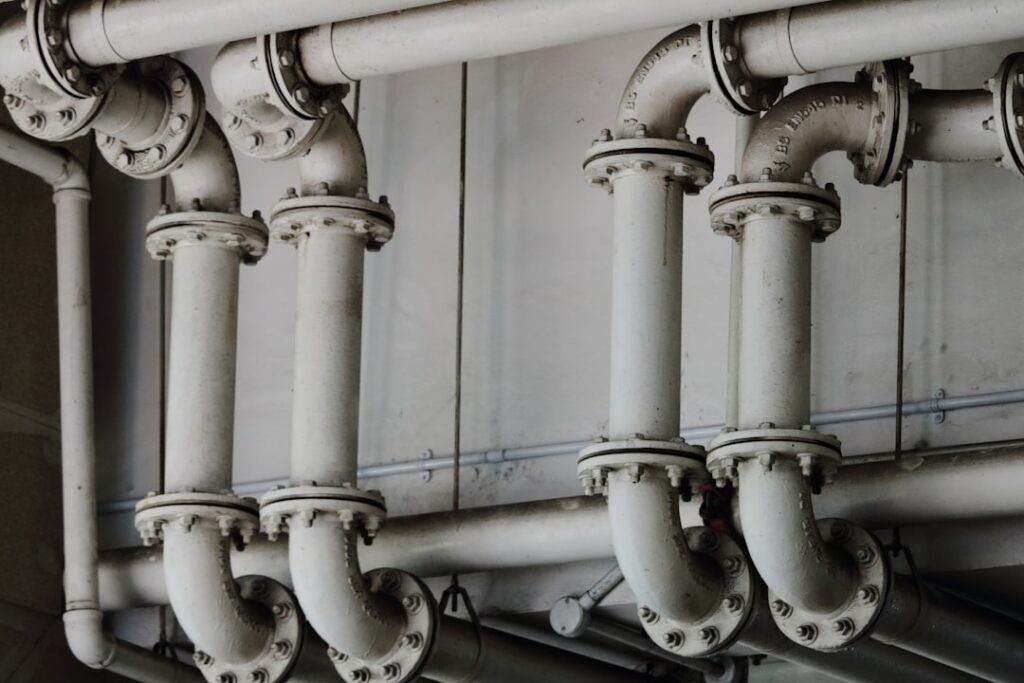
Walk into the basement of a house built before the 1980s and the heating pipes often wear a thick white or gray jacket, sometimes wrapped in canvas, sometimes crumbling at the joints. That jacket is a prime suspect for asbestos, which was the go-to pipe insulation for most of the 20th century. Asbestos on pipes is one of the most common asbestos findings in older homes. This guide summarizes EPA, CDC, and OSHA guidance current as of 2026 for informational purposes only; it does not replace testing by an accredited laboratory or advice from a certified professional, and health concerns should be directed to your physician.
Is this mold, asbestos, or water damage? Get a free instant screen
Upload a clear photo of the suspect area. You'll get an instant AI screening opinion and what to do next. This is screening guidance, not a professional determination.
Screening guidance only. AI can be wrong. Confirm asbestos, mold type, or lead with lab testing or a licensed professional before acting.
What Does Asbestos on Pipes Look Like?
Asbestos pipe insulation typically appears as a thick, chalky white or gray wrapping around steam and hot-water pipes, especially in basements, crawlspaces, and around boilers. It was applied in several forms: corrugated paper layers, a molded plaster-like cement, or preformed sections sometimes called “air cell” or “85% magnesia” insulation. A canvas or fabric outer layer often covered it, painted or left bare.
The fittings and elbows are telling spots. Asbestos was molded into the bends and joints where preformed straight sections could not reach, so a lumpy, hand-applied plaster look at elbows is a classic sign, often standing out against the smoother machine-made sections along the straight runs of pipe. None of these visual cues confirm asbestos, though. The only way to know is laboratory analysis of a sample, since modern non-asbestos pipe insulation can mimic the same chalky, wrapped appearance. Our companion guide on asbestos-wrapped pipes walks through the appearance in more depth.
Why Asbestos Was Used on Pipes
Asbestos earned its place on pipes because it was an excellent thermal insulator that did not burn. Wrapping steam and hot-water lines in asbestos reduced heat loss, kept the heat where it belonged, and protected against fire, all at low cost. From roughly the 1920s into the 1980s it was the standard material for the job in homes, schools, and commercial buildings alike.
The same properties that made it useful made it durable, which is why so much of it survives in older homes today. A pipe insulated in 1955 may still be doing its thermal job seventy years later. The problem is that the material ages, and aged, damaged insulation is exactly where the asbestos risk lives. The usefulness and the hazard are two sides of the same long-lasting material. Many of these systems were also installed during the same decades that asbestos saturated other building products, so a home with asbestos pipe insulation frequently carries asbestos in its drywall compound, flooring, or attic as well, which is why an inspector treats a positive pipe finding as a prompt to look more broadly rather than as an isolated result.
Friable vs. Non-Friable: Why It Matters
The key concept for any asbestos material is friability. Friable asbestos can be crumbled, pulverized, or reduced to powder by hand pressure, releasing fibers into the air. Non-friable asbestos is bound in a matrix and holds its fibers unless it is cut, sanded, or broken.
Pipe insulation is usually friable, which puts it among the higher-risk forms of asbestos in a home. Old, dry pipe wrap can crumble at a touch, and damaged or deteriorating sections shed fibers readily. That is different from, say, asbestos floor tile, which is non-friable and far more stable.
- Intact and sealed — insulation in good condition, fully wrapped and undisturbed, releases few fibers.
- Damaged or deteriorating — torn, crushed, water-damaged, or crumbling insulation is the active hazard.
This is why the EPA’s guidance hinges on condition rather than mere presence. Friable pipe insulation in good shape is managed in place; friable insulation that is falling apart needs professional attention.
The Health Risk From Pipe Insulation
The danger from asbestos on pipes is the same as for any asbestos: inhaling airborne fibers. The CDC links asbestos exposure to asbestosis, lung cancer, and mesothelioma, diseases that often emerge decades after the fibers were inhaled. Because pipe insulation is typically friable, it can release fibers more easily than many other home materials when disturbed.
There is no established safe level of asbestos exposure. The fibers lodge in lung tissue and do not break down, so risk accumulates with exposure over time. The practical upshot is that the moment of danger is disturbance—bumping crumbling insulation, brushing against it while carrying boxes, or worst of all, cutting or scraping it during a DIY project. Intact insulation that no one touches presents far less risk, which directly shapes what a homeowner should do.
What to Do If You Suspect Asbestos on Your Pipes
The EPA’s hierarchy applies directly. First, do not disturb the material. Avoid touching, leaning on, or brushing against suspect pipe insulation, and keep storage and activity away from it. If insulation is already damaged, limit access to the area and avoid creating any air currents that could carry fibers.
Second, do not sample it yourself if it is friable and crumbling, because the act of sampling can release fibers. Hire a certified asbestos inspector to collect a sample under controlled conditions and submit it to an accredited laboratory. The lab result determines whether the material is regulated asbestos-containing material and how it must be handled.
Third, manage in place when possible. If a test confirms asbestos but the insulation is intact and undisturbed, the EPA-preferred approach is often to leave it alone or have it repaired and sealed rather than removed. Removal is reserved for damaged material or situations where work makes disturbance unavoidable.
Where Asbestos Pipe Insulation Is Found
Knowing where to look helps a homeowner identify suspect material before disturbing it. The most common location is the basement, where heating pipes run exposed along ceilings and walls from a boiler or furnace to the rooms above. Crawlspaces hold the same insulated lines in homes without basements. Around the boiler or furnace itself, insulation often wraps the unit and its connecting pipes more heavily.
Other spots are easy to miss. Pipe insulation can run inside chases and soffits, behind access panels, and through mechanical rooms in older multi-unit buildings. Domestic hot-water lines, not just heating pipes, were sometimes insulated with asbestos. In Front Range homes built before 1980, a homeowner exploring a basement for a renovation or a leak should treat any thick, chalky pipe covering as suspect until tested, particularly the lumpy molded material at elbows and fittings, which was hand-applied and especially prone to crumbling with age.
Recognizing Damaged vs. Intact Insulation
Because the response hinges on condition, learning to recognize damage is practical. Intact insulation is fully wrapped, its outer canvas or jacket continuous, with no exposed chalky core, no tears, and no debris on the floor beneath it. This material, even if it contains asbestos, releases few fibers and is generally managed in place.
Damaged insulation shows warning signs a homeowner can spot. Crumbling or powdery sections, torn or missing jacketing, exposed white or gray fibrous core, water staining from a past leak, and granular debris or dust on surfaces below all indicate the material is shedding or at risk of shedding fibers. Insulation that has been bumped, partially removed, or disturbed by prior work is also compromised. The difference matters because damaged friable insulation is the active hazard the EPA prioritizes, while sound insulation can often stay put. A homeowner who notices these damage signs should avoid the area and call a professional rather than attempting to clean up debris.
Repair, Encapsulation, or Removal
When asbestos pipe insulation needs action, professionals choose among three approaches based on the material’s condition and the homeowner’s plans.
Repair and Seal
Small areas of damage on otherwise sound insulation can sometimes be repaired by a licensed professional who wraps or seals the spot to contain fibers. This restores the protective barrier without disturbing the bulk of the material.
Encapsulation or Enclosure
Encapsulation coats the insulation with a sealant that binds the fibers; enclosure builds a barrier around it. Both keep the material in place while preventing fiber release, and both are professional jobs governed by OSHA worker-protection rules.
Removal
When insulation is badly deteriorated or a renovation requires it, licensed abatement contractors remove it under containment with negative air pressure, respirators, wet methods, and sealed disposal. Removal is the most disruptive and costly option, which is why it is not the default. The trade-offs mirror those for other materials covered in our asbestos pipe wrap guide.
Why DIY Is the Wrong Move Here
Pipe insulation is one of the worst asbestos materials to tackle without training, precisely because it is friable. Cutting, scraping, or pulling off old wrap can flood a basement with fibers that then circulate through ductwork into living space. A household vacuum disperses rather than captures asbestos fibers, making cleanup worse.
OSHA’s asbestos standards exist because controlling fiber release requires specific containment, respiratory protection, and disposal procedures that a homeowner is not equipped to replicate. The cost of professional abatement is real, but it is small next to the cost of decontaminating a house and far smaller than the long-term health stakes. For friable pipe insulation, agency guidance is clear that this is professional work.
When to Call a Professional
The triggers are easy to recognize. Any suspect pipe insulation in a pre-1980s home warrants a certified asbestos inspector before testing, renovation, or removal—especially if the material is damaged, crumbling, or in the path of planned work, or if a heating-system replacement will require cutting into the insulated lines. The inspector samples, an accredited lab confirms, and a licensed abatement contractor handles any repair, encapsulation, or removal under EPA and OSHA standards.
Front Range homeowners who find suspect wrapping on basement or crawlspace pipes can reach out through our contact page to connect with a vetted local inspector. Getting the material tested before anyone disturbs it is the step that keeps a routine basement project from becoming a contamination problem.
Common Scenarios That Disturb Pipe Insulation
Most accidental exposures from pipe insulation trace to a handful of ordinary situations, and recognizing them helps a homeowner avoid the trap. Replacing or upgrading a boiler or furnace is a frequent one: the old insulated pipes often must be cut or removed, and a contractor unaware of the material—or a homeowner doing it themselves—can release fibers in the process. Plumbing repairs that require accessing an insulated line are similar.
Less obvious disturbances add up too. Finishing a basement disturbs the exposed pipes running along the ceiling. Storing and retrieving boxes in a utility area can bump and tear brittle insulation. Water damage from a leak softens and dislodges the material, and a flood can spread saturated debris. Even hanging shelving or running new cable near insulated pipes risks contact. The common thread is that routine home improvement and maintenance, not dramatic demolition, accounts for many releases—which is why identifying and testing suspect insulation before any nearby work is the practical safeguard.
How Professionals Sample Pipe Insulation
Because pipe insulation is friable, sampling it is itself a controlled operation, which is one more reason the EPA discourages homeowner sampling. A certified inspector approaches the material carefully: the area is first wetted with a light mist to suppress dust, a small representative sample is collected from a spot that minimizes disturbance, and the sample is immediately sealed in a labeled container. The sampling location is then patched or sealed to prevent ongoing release.
The samples go to an accredited laboratory, which uses polarized light microscopy to identify and quantify any asbestos. Because insulation in different parts of a home may come from different applications, an inspector may take several samples—from straight runs, from molded fittings, and from any visibly different material—to characterize the whole system. The result, reported as a percentage and type of asbestos, determines whether the material is regulated and dictates how any repair, encapsulation, or removal must proceed. This disciplined approach is what makes the result reliable and keeps the sampling itself from becoming an exposure event.
References
- Learn about asbestos and where it is found — U.S. EPA
- Asbestos exposure and disease — CDC / NIOSH
- Asbestos handling and worker protection — OSHA
Front Range homeowners with suspect white wrapping on older basement pipes should test before disturbing it. Get in touch through our contact page to connect with a qualified local inspector who can arrange accredited testing.