pH Moisture Meter: What Homeowners Need to Know
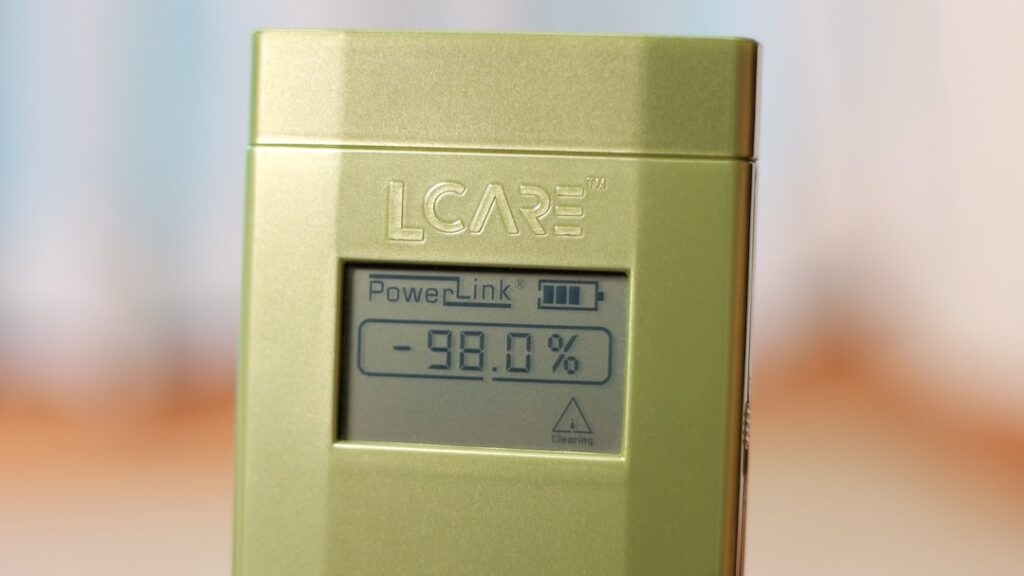
A pH moisture meter is a small handheld plant-care instrument, not a building diagnostic tool. The device typically combines three measurements — soil pH, soil moisture, and ambient light — into a single probe with a needle-display readout. It is the standard inexpensive meter sold for indoor and outdoor plant care, retailing for $10 to $40 at garden centers and online retailers. This guide covers what a pH moisture meter actually does, how to use it correctly, and why it is distinct from the pin and pinless moisture meters used in home inspection and building diagnostics. The aim is to help homeowners and gardeners use the tool effectively and avoid confusing it with very different professional instruments.
What a pH moisture meter measures
A standard 3-in-1 plant care meter uses a single metal probe inserted into soil to estimate three properties. Soil moisture is measured by detecting the electrical conductivity between two regions of the probe — wetter soil conducts better. Soil pH is estimated using a galvanic reaction between two dissimilar metals in the probe; the voltage produced varies with soil acidity or alkalinity. Ambient light is measured by a small photoresistor on the meter body, separate from the soil probe.
Each measurement is selected with a dial or switch on the meter. The readout is usually an analog needle pointing to a scale (dry-to-wet for moisture, acid-to-alkaline for pH, dim-to-bright for light). The accuracy is best understood as semi-quantitative — these meters distinguish broad categories (dry, moist, wet; acidic, neutral, alkaline) but rarely provide laboratory-grade precision.
What a pH moisture meter is NOT
A pH moisture meter is not a building moisture meter. Building inspection moisture meters are precision instruments that measure the moisture content of wood, drywall, concrete, and other building materials in percentage points or as a relative reading on a calibrated scale. They use one of two technologies: pin meters that drive small probes into the material and measure electrical resistance, or pinless meters that use capacitance through a flat sensor pad pressed against the surface.
Building moisture meters typically cost $50 to $500 (consumer to professional tiers), do not measure pH at all, and produce readings calibrated to building-material specifications. A pH moisture meter pressed against a piece of drywall will produce a reading, but the reading does not correspond to building-material moisture content and should not be used for water-damage assessment, mold inspection, or any building diagnostic purpose. For building-diagnostic context, see our digital wood moisture meter guide.
Why plant care meters are useful for gardeners
Despite their limitations, 3-in-1 plant care meters are genuinely useful for home gardeners. The moisture function helps prevent both overwatering (the leading cause of houseplant death) and underwatering. The pH function helps diagnose soils that are too acidic or alkaline for the plant being grown — most common houseplants prefer slightly acidic to neutral soil (pH 6.0 to 7.0), while specific species like blueberries, azaleas, and rhododendrons want strongly acidic soil (pH 4.5 to 5.5). The light function helps locate plants in spots that match their light requirements.
For occasional indoor plant care, a $15 plant care meter delivers enough accuracy to make better watering and placement decisions than judging by eye alone. Serious gardeners and commercial growers use more precise instruments — laboratory soil tests, digital pH probes with calibration solutions, and quantitative lux meters — but those are overkill for casual houseplant care.
How to use a pH moisture meter correctly
Several habits improve readings from a plant care meter. Insert the probe to about two-thirds of its length, not just the tip — surface readings rarely reflect the root zone where it matters. For moisture, take readings 10 to 30 minutes after watering, not immediately, so the moisture has distributed through the soil. For pH, wait one to two minutes after insertion for the galvanic reaction to stabilize; a quick reading often understates acidity.
Between readings on different pots, wipe the probe clean with a damp cloth — cross-contamination of soil residues affects the next pH reading. After use, dry the probe thoroughly to prevent corrosion. Store the meter with the dial in the “off” position if it has one (some 3-in-1 meters draw battery power even when not measuring). Replace the small button battery used for the light function annually or when readings drift.
Common accuracy issues
3-in-1 plant care meters have predictable accuracy limitations. Moisture readings depend on soil composition — sandy soils read drier than they actually are, while peat-heavy potting mixes read wetter. pH readings are more accurate in moist soil than dry, and very dry soil may produce no pH reading at all because the galvanic reaction requires moisture. Light readings are reasonably accurate but are reported on a relative scale rather than in calibrated lux values.
For users who need higher accuracy, the next step up is a digital pH probe ($30 to $80) that uses a glass electrode with calibration solutions, and a separate digital moisture probe with a capacitance-based sensor. Light measurement at higher accuracy requires a calibrated lux meter ($30 to $100). The 3-in-1 form factor trades precision for convenience and low cost.
Plant care meter versus building moisture meter side by side
The two instrument classes serve completely different purposes. A plant care meter is designed for soil — a substrate that is meant to hold and release water continuously. It uses cheap conductivity measurement and provides relative readings that help with watering decisions. A building moisture meter is designed for wood, drywall, and concrete — substrates that are meant to stay dry and where even small moisture readings indicate problems.
Building moisture meters use calibrated resistance (pin meters) or capacitance (pinless meters) sensors, and their readings are interpreted against thresholds specific to the substrate. For example, wood framing should typically read under 16% moisture content; readings above 20% indicate wet wood that needs further investigation. Drywall scales differ; concrete uses different units entirely. The two instrument classes are not interchangeable, and using a plant care meter to assess building moisture produces meaningless data.
Why this distinction matters for homeowners
Confusing the two instruments is surprisingly common in DIY situations. A homeowner who notices a damp spot on a wall and reaches for the “moisture meter” from the gardening shelf is using the wrong tool. The plant care meter will produce a reading, but the reading does not correspond to building-material moisture content and provides no useful information about water damage, plumbing leaks, or mold risk.
For any building-moisture concern — a stained ceiling, a damp baseboard, a musty basement smell, a flooring discoloration — a building moisture meter is the right tool. Pin meters from General Tools, Klein, Stihl, or Tramex run $30 to $150 at the consumer tier. Pinless meters from the same manufacturers run $80 to $300. Our pin moisture meter for wood guide covers the building-diagnostic instrument category in detail.
When to use which instrument
For plant care: a 3-in-1 plant care meter at $10 to $40 is sufficient for most houseplant decisions. For serious indoor gardening or hydroponics: separate digital pH and moisture probes at $50 to $150 combined. For commercial growing or precision horticulture: laboratory soil tests at $25 to $100 per sample, supplemented with calibrated digital instruments. For building moisture assessment: pin or pinless building moisture meters at $30 to $300 depending on the substrate and required accuracy.
The instruments do not overlap. A homeowner doing both indoor plant care and occasional building-moisture diagnostics needs both types of meters. Combining them into one purchase is not currently possible — the underlying measurement principles are too different. For the broader home-inspection tool landscape, see our home inspection tools 2026 buyer’s guide.
Pricing and what to expect
Entry-tier 3-in-1 plant care meters run $10 to $20 and are available from major garden retailers and online marketplaces. Mid-tier units at $20 to $40 add slightly more durable construction and sometimes a second metal probe for improved accuracy. Above $40, the consumer market shifts toward digital plant care instruments with LCD readouts and Bluetooth phone connectivity — useful for tech-forward gardeners but not significantly more accurate than the analog units.
The analog 3-in-1 meter has been the dominant form factor for decades and remains the practical choice for most houseplant users. The digital versions are often paired with companion apps that track watering schedules, send moisture alerts, and graph readings over time. For occasional use, the simpler analog tool is usually sufficient. The InterNACHI and Energy.gov references at the bottom of this guide are most relevant for the building-inspection use case, since plant care is outside the home-inspection scope.
Plant care meter use across seasons
Seasonal patterns affect the readings from a plant care meter in ways worth knowing. Indoor humidity typically drops during winter heating season, which means potted soil dries faster and pH may shift slightly toward alkaline as evaporation concentrates dissolved minerals. Summer high humidity slows soil drying and may shift pH toward neutral. Watering frequency should adjust to these seasonal patterns rather than being fixed on a calendar schedule.
For outdoor garden use, the same meter helps decide when to water during dry spells and helps diagnose soil pH issues that affect crop performance. Vegetable gardens generally want neutral to slightly acidic soil (pH 6.0 to 7.0); shifting outside this range often manifests as nutrient-availability problems even when fertilizer is applied. The meter is a cheap diagnostic tool for understanding why plants are underperforming despite apparent good care.
Building moisture meter alternatives for homeowners
For homeowners who want a building moisture meter to complement their plant care meter, the entry tier offers reasonable options under $50. General Tools, Klein, and similar manufacturers produce pin-type building moisture meters at this price point that read wood, drywall, and some other building materials. Pinless meters in the $80 to $200 range read through finished surfaces without leaving holes, which makes them more useful for resale-conscious homeowners checking suspect areas without damaging finishes.
Building moisture meters do not measure pH at all, and the few combination instruments that claim to measure both building moisture and pH are usually compromised on both functions. The right tool kit for a homeowner with both gardening interests and occasional building-diagnostic needs is two separate meters, each optimized for its purpose. Combined units that claim to do everything tend to do none of them well.
References
- Energy.gov Professional Home Energy Assessments — U.S. Department of Energy
- InterNACHI Standards of Practice — International Association of Certified Home Inspectors
- ASHI Home Inspector Resources — American Society of Home Inspectors
- ICC International Code Council Standards — International Code Council
Moisture meters for home inspection
Pin meters read deep but leave marks; pinless meters scan surfaces non-destructively. Many inspectors carry both.
| Product | Why | Buy |
|---|---|---|
 Klein Tools ET140 Pinless Klein Tools ET140 Pinless | Non-destructive scanning; affordable. | Amazon — $49.97 |
 General Tools MMD4E General Tools MMD4E | Best-selling pin meter for drywall/wood. | Amazon — $37.70 |
 Lignomat Mini-Ligno Lignomat Mini-Ligno | Trusted by woodworkers; species-calibrated. | Amazon — $115.00 |