Peel Away Lead Paint Remover: Safety and Limits
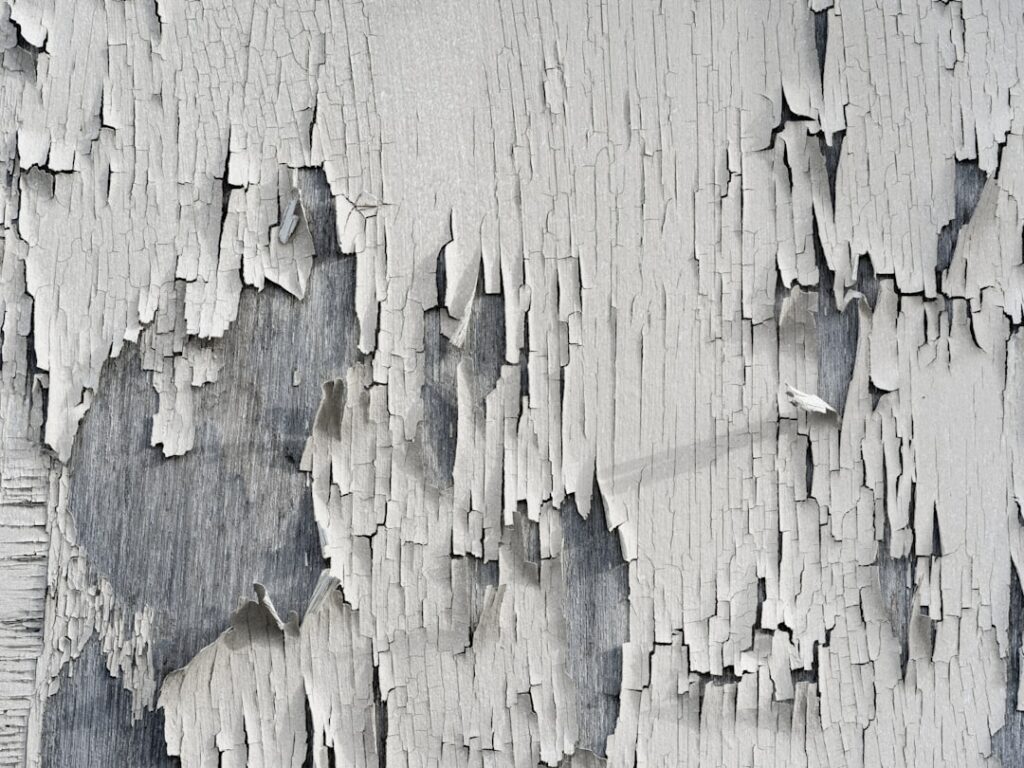
A peel away lead paint remover refers to chemical paste-and-cover stripping systems designed to lift multiple layers of old paint at once, and homeowners often reach for them when tackling pre-1978 woodwork or trim. The appeal is real: these products avoid the dust clouds that sanding and grinding create. But the moment lead is in the picture, removing paint stops being a simple DIY project and becomes a regulated activity with specific safety rules. This guide summarizes EPA guidance current as of 2026; it is informational only, and you should consult a certified professional for testing and abatement decisions and your physician for health concerns.
Is this mold, asbestos, or water damage? Get a free instant screen
Upload a clear photo of the suspect area. You'll get an instant AI screening opinion and what to do next. This is screening guidance, not a professional determination.
Screening guidance only. AI can be wrong. Confirm asbestos, mold type, or lead with lab testing or a licensed professional before acting.
What Is a Peel Away Lead Paint Remover?
Chemical paint-removal systems of this type work by applying a thick paste or gel over painted surfaces, covering it with a laminated paper or cloth, and letting it sit while the chemistry softens many paint layers simultaneously. The covering and softened paint are then peeled off together, ideally lifting most of the coating in one pass. Because the paint is removed wet and contained in the peel-off layer, these systems generate far less airborne dust than mechanical methods.
That dust-reduction benefit is exactly why people consider chemical strippers for lead paint. Lead exposure happens largely through dust and chips, so any method that keeps paint wet and contained is safer in principle than dry sanding or open-flame removal. But “safer than sanding” is not the same as “safe without precautions,” and that distinction is where most homeowners get into trouble.
Lead Changes the Rules
Lead-based paint was banned for residential use in 1978, so any home built before then may contain it. When you strip paint that contains lead, the removed paint and the residue are hazardous. The chemical process produces lead-contaminated waste that cannot simply be tossed in household trash, and the work area can become contaminated if the residue is not fully captured.
Before stripping any old paint, confirm whether it contains lead through professional testing or a documented evaluation. Our overview of lead hazards in pre-1978 housing explains how to verify what you are dealing with. Testing first is not optional caution; it determines whether the entire project falls under lead-safe rules. For the testing options themselves, see the companion guide on professional lead testing methods.
The RRP Rule and Why It Matters
The EPA’s Renovation, Repair, and Painting (RRP) Rule governs work that disturbs lead-based paint in pre-1978 homes and child-occupied facilities. The rule requires that firms performing such work for compensation be EPA-certified and that the people doing the work be trained in lead-safe work practices. It also sets requirements for containment, cleanup, and waste handling. Chemical paint stripping that disturbs lead paint falls within the scope of this rule when done as paid work.
For a homeowner doing the work themselves on their own home, the RRP firm-certification requirement may not apply in the same way, but the underlying hazards do not change. The lead-safe work practices the rule codifies exist because lead dust and residue cause real harm, especially to children and pregnant women. Following those practices is wise regardless of who is legally required to.
Lead-Safe Work Practices
Lead-safe practices include containing the work area with plastic sheeting, keeping the paint wet during removal, capturing all residue and debris, cleaning thoroughly with methods designed for lead dust, and verifying the area is clean before reoccupying. Workers wear appropriate protective equipment, including a properly fitted respirator rated for lead particles, disposable coveralls, and gloves. Children and pregnant women should be kept entirely away from the work area and the home during active work.
Cleanup is as important as the removal itself, and it is where many DIY efforts fall short. Lead dust is fine and persistent, so ordinary sweeping or a standard household vacuum can spread it rather than remove it. Lead-safe cleanup relies on wet wiping, specialized vacuuming with high-efficiency filtration, and careful disposal of all sheeting, wipes, and protective gear as contaminated waste. Skipping or rushing this step can leave a home more contaminated after the project than before it.
Why Wet Methods Help
The chemical paste approach shares a key principle with safe lead work generally: keeping material wet. Dry sanding and grinding aerosolize lead into a cloud of fine dust that travels through a home and settles where it is hard to clean. By softening and lifting paint in a moist, contained layer, peel-style strippers keep most of the lead bound up in the removed material instead of in the air. That is a genuine safety advantage over dry mechanical methods, but it only holds if the residue is fully captured and the surface is cleaned afterward.
The Safety Caveats of Chemical Strippers
Even setting lead aside, chemical paint removers carry their own hazards. Many contain strong solvents or caustic compounds that can burn skin and eyes and release fumes. They require ventilation, chemical-resistant gloves and eye protection, and careful handling. Always read and follow the product’s safety instructions, since formulations differ widely in their active chemistry and required precautions.
When the paint being removed contains lead, the two hazard sets stack. You are managing a caustic chemical and a toxic heavy metal at the same time, plus contaminated waste. The peel-off residue must be collected and disposed of as the local hazardous-waste rules require, not poured down a drain or sent to landfill with ordinary trash. This combination is why what looks like a straightforward weekend project deserves serious respect.
Disposing of Stripped Lead Paint Waste
The waste a lead-paint stripping project generates is not ordinary trash. The peeled-off layer, contaminated wipes, sheeting, and protective gear may all carry lead and must be handled according to local hazardous-waste rules. Requirements vary by jurisdiction, so check with your local solid-waste or environmental authority before you begin, not after you have a pile of bags. Never pour chemical stripper residue down a drain, where it can contaminate water systems, and never burn lead-painted material, which releases lead into the air. Planning disposal in advance is part of doing the job responsibly.
Encapsulation as an Alternative
Removal is not the only way to deal with lead paint, and often it is not the best one. Encapsulation, applying a specialized coating designed to seal lead paint in place, can be a lower-risk option for intact surfaces because it avoids disturbing the paint at all. Encapsulants are not ordinary paint; they are products formulated to bond over lead-based paint and create a durable barrier. For surfaces in good condition that are not subject to heavy friction or impact, encapsulation can manage the hazard without generating the dust and waste that stripping creates.
Encapsulation has limits. It is not appropriate for surfaces that rub or take abuse, such as windows, doors, and floors, where the coating can wear through. It also does not work well over already-deteriorating paint. A certified professional can advise whether encapsulation, removal, or simple maintenance of intact paint is the right strategy for a given surface. The broader point is that disturbing lead paint should be a deliberate choice, not a default, because every method of disturbance carries risk that leaving sound paint alone does not.
Is Chemical Stripping a DIY Job?
It depends entirely on the situation. For small components, with confirmed precautions, full protective equipment, strict containment, and proper waste disposal, some experienced homeowners do tackle lead-paint stripping themselves. But success requires genuine commitment to every step, not just buying the product and reading the instructions casually. Skipping containment or cleanup spreads lead dust through living space, which is worse than leaving intact paint alone.
Intact, well-maintained lead paint is often best left undisturbed or encapsulated rather than stripped. Disturbing it is what creates the hazard. If a surface is in good condition, removal may not be the right answer at all. When removal is necessary across larger areas, or when young children live in the home, hiring an EPA-certified RRP firm or a certified lead abatement contractor is the safer path.
Other Removal Methods and Their Risks
Chemical paste systems are one option among several, and it helps to understand how they compare on the risk that matters most: dust. Dry sanding and power-sanding are among the most hazardous methods for lead paint because they generate clouds of fine lead dust, which is exactly the exposure pathway that harms children. Open-flame or high-heat methods are also discouraged for lead because heating lead paint can release lead fumes. By keeping paint moist and contained, chemical stripping avoids the worst of the dust problem, which is its main safety appeal.
No method is risk-free, though, and each trades one hazard for another. Chemical strippers introduce caustic or solvent exposure and generate hazardous liquid and solid waste. Heat guns used at controlled, lower temperatures still demand caution. Wet scraping reduces dust but is labor-intensive. The safest approach for any given surface depends on its condition, size, and location, and on whether the home includes children or pregnant women. When the calculus is uncertain, a certified professional can recommend the method that minimizes risk for the specific situation rather than defaulting to whatever is most convenient.
When to Hire a Certified Professional
Call a certified professional when lead paint covers large areas, when children or pregnant women live in the home, when you are uncertain about containment and waste handling, or when local regulations require certified work. A certified RRP-trained firm or lead abatement contractor brings the equipment, training, and disposal channels to do the job without contaminating the home. Abatement, the permanent elimination of lead hazards, is specialized work governed by federal and state rules.
The cost of professional removal buys more than labor. It buys containment that protects your family, verified cleanup, and proper hazardous-waste disposal, plus documentation that the hazard was addressed correctly. For a transaction, renovation, or a household with young children, that assurance is worth far more than the savings from a risky DIY attempt. When in doubt, test first and consult a certified professional before any paint comes off the wall.
Protecting Children and Pregnant Women
The reason lead-paint work carries such heavy precautions is the people most at risk from lead. Young children are especially vulnerable because their bodies absorb lead more readily and their developing nervous systems are more sensitive to its effects. Pregnant women face risk to the developing fetus. This is why the CDC and EPA stress keeping children and pregnant women entirely away from any area where lead paint is being disturbed, not just during the work but until cleanup is verified complete.
Practically, this means a lead-paint project is not something to undertake with children present in the home. Many families arrange to stay elsewhere during the work and the cleanup, returning only after the area has been thoroughly cleaned and, where appropriate, clearance-tested. Even small amounts of lead dust matter for a small child, so the standard for “clean enough” is high. When children are part of the household, the case for hiring a certified professional rather than attempting a DIY strip grows considerably stronger.
References
- Renovation, Repair, and Painting (RRP) Program — U.S. Environmental Protection Agency
- Lead-safe work practices for renovation — U.S. Environmental Protection Agency
- Lead hazard education and resources — National lead information resource
Front Range homeowners weighing lead paint removal can reach a vetted local professional through our contact page before disturbing any old coatings.
Lead paint test kits
Instant swab kits flag lead on painted surfaces in minutes — useful before a renovation in any pre-1978 home.
| Product | Why | Buy |
|---|---|---|
 3M LeadCheck Swabs 3M LeadCheck Swabs | EPA-recognized instant swabs. | Amazon — $199.00 |
 Lead Test Kit (lab-based) Lead Test Kit (lab-based) | Mail-in for a documented result. | Amazon — $150.00 |