Mold Removal in House: Room-by-Room 2026 Walkthrough
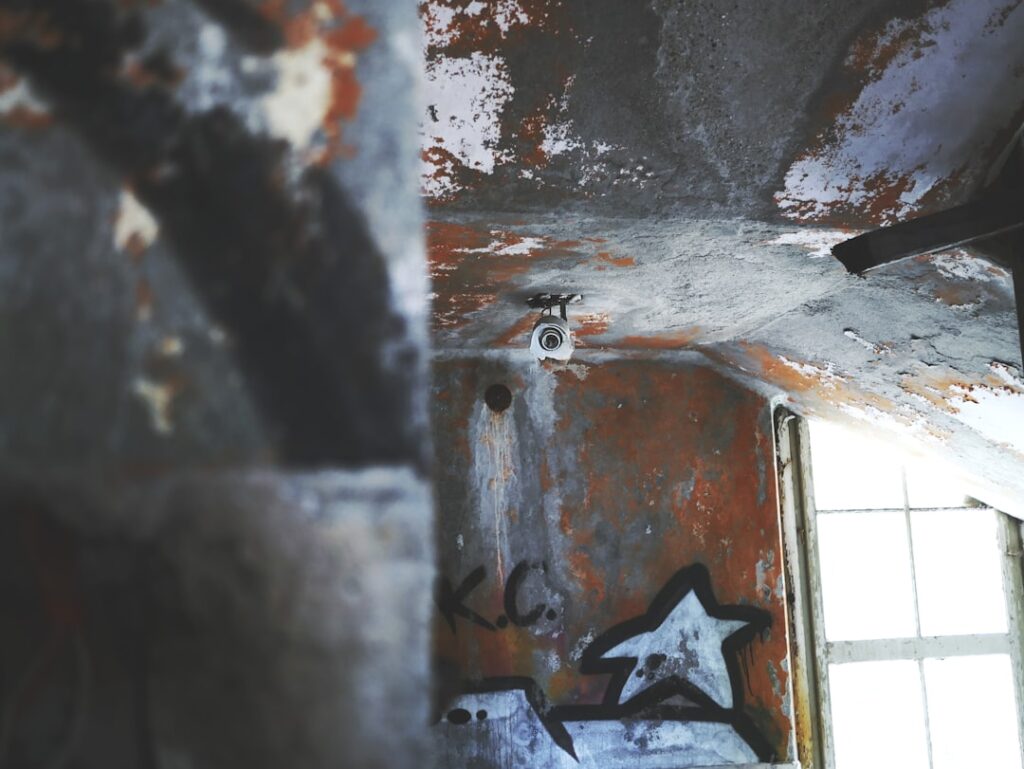
Mold removal in a house is rarely one project. It is a stack of smaller projects defined by where the growth is — a bathroom corner, a basement wall, an attic sheathing patch, a kitchen sink cabinet, an HVAC plenum — and each location has different access, different substrates, and different moisture sources. This guide walks through the house room by room, applies EPA and CDC-aligned methodology to each location, and identifies the points where DIY ends and certified remediation begins. The framing is a summary current as of 2026; for serious health symptoms consult your physician, and for visible growth above ten square feet consult a certified remediator.
Is this mold, asbestos, or water damage? Get a free instant screen
Upload a clear photo of the suspect area. You'll get an instant AI screening opinion and what to do next. This is screening guidance, not a professional determination.
Screening guidance only. AI can be wrong. Confirm asbestos, mold type, or lead with lab testing or a licensed professional before acting.
Mold Removal in House: Why Location Matters More Than Method
Most articles treat mold removal as a single methodology that’s applied identically everywhere. In practice, the methodology is the easy part — scrub non-porous surfaces, cut out and replace porous materials, fix the moisture source. The hard part is matching that protocol to the realities of a specific room. A patch of mildew on a kitchen window sill and a colony on basement-wall drywall are both “mold removal,” but the work involved differs by an order of magnitude.
The EPA’s Brief Guide to Mold, Moisture, and Your Home uses roughly ten square feet of contiguous growth as the DIY-versus-professional threshold. That number is the headline answer to scope. The room-by-room work below shows where ten square feet typically hides and where homeowners overestimate their access to the actual colony.
Bathroom Mold Removal
Bathrooms are the most common location for visible household mold. Sources include shower steam without adequate ventilation, leaks at tile grout, leaks under sinks, condensation on toilet tanks in humid weather, and water tracked onto unsealed floors. Most bathroom mold sits on non-porous surfaces — tile, glass shower doors, sealed countertops — and responds to detergent-and-water scrubbing followed by complete drying.
The places to watch are caulk lines and grout, both of which absorb moisture and harbor growth below the surface visible on top. Discolored caulk usually needs to be cut out and replaced rather than cleaned. Discolored grout can sometimes be cleaned and re-sealed, but recurring growth in grout indicates a moisture problem that no amount of cleaning resolves.
The fix step in bathrooms almost always involves ventilation. An exhaust fan rated for the bathroom’s volume, vented to the exterior (not into the attic), running through the shower and for fifteen to twenty minutes after, is the single most effective preventative against future growth. Energy.gov ventilation guidance covers sizing in plain language.
Basement Mold Removal
Basements are the second most common location and the harder of the two to remediate. Sources include foundation cracks letting in liquid water, condensation on cold concrete walls and floors, elevated humidity from earth contact, plumbing leaks, and chronic moisture from poor exterior drainage. The substrates are also harder: drywall on basement walls absorbs moisture from the back side (the cool concrete) as well as the front, and finished basements often hide growth behind drywall that looks fine from the room side.
For a small patch on a finished basement wall, the workflow is cut-out plus moisture source correction. Cut twelve inches past visible staining, bag the cutout, inspect the cavity, dry the cavity, and reconstruct. For unfinished basements, the workflow is HEPA vacuuming exposed substrate, scrubbing where appropriate, and discarding any porous storage items that show growth.
Basement moisture often requires more than a dehumidifier. Exterior grading, gutter discharge, foundation drainage, and crawlspace vapor barriers all influence basement humidity. A dehumidifier addresses symptoms; exterior water management addresses the cause. The pillar guide on whole-house mold inspection covers inspector workflow for finding the source.
Kitchen Mold Removal
Kitchen mold is usually concentrated under sinks, behind dishwashers and refrigerators, and on window sills above the sink. Sources are typically slow leaks — supply lines, drain traps, ice-maker lines, dishwasher hoses — that produce chronic dampness in cabinets and floors without a dramatic flood event.
Removal in kitchens often requires pulling appliances and looking behind them. A small patch on cabinet interior that responds to detergent and water is one project; a patch on the subfloor under a dishwasher that has leaked for two years is a different project, usually involving flooring replacement and sometimes structural drying of joists below. The CDC cleanup guidance applies the same porous-versus-non-porous logic to kitchen substrates as everywhere else.
Attic Mold Removal
Attic mold typically appears on roof sheathing — the underside of the plywood or OSB that forms the roof deck — and on rafters in cold, humid weather. The classic mechanism is bathroom or kitchen exhaust vented into the attic instead of through the roof, dumping humid air against cold sheathing where it condenses. Ice dams and roof leaks are secondary causes.
Sheathing mold is rarely “removed” in the literal sense. Replacing roof sheathing is a roofing project, not a cleanup. The remediation approach is HEPA vacuuming visible growth, treating sheathing surfaces with appropriate antimicrobial after vacuuming, then correcting the moisture source — extending exhaust ducts through the roof, repairing leaks, improving attic ventilation. The EPA home mold cleanup page covers the rationale for substrate-specific approaches.
HVAC Mold Removal
HVAC contamination is the category most homeowners cannot DIY. Growth on coils, in drain pans, inside duct interiors, or on insulated duct liners requires professional remediation because the system distributes spores throughout the house every time it runs. Symptoms include musty odors that intensify when the system runs, visible growth at supply registers, and persistent allergic complaints that improve when the system is off.
Remediation involves sealing the system, accessing components for HEPA vacuuming and cleaning, replacing porous components like duct liner where growth has penetrated, and clearance-testing before returning the system to service. EPA duct-cleaning guidance covers what’s and isn’t included in standard duct cleaning services, which is useful for distinguishing cleaning from remediation.
Crawlspace Mold Removal
Crawlspaces combine many of the worst factors. Exposed earth, poor ventilation, plumbing penetrations, and cool surfaces in summer create chronic dampness against wood framing and subfloor. Growth on floor joists and subfloor underside is common in older Front Range homes and in any region with humid summers.
Remediation involves HEPA vacuuming and treating accessible wood, then encapsulation of the crawlspace with vapor barrier on the earth and (often) on the walls. Without encapsulation, the moisture source persists, and growth returns. CDC dampness guidance notes that elevated indoor humidity from crawlspace sources is a common driver of upstairs mold problems.
Whole-House Considerations: When Multiple Rooms Have Growth
Mold appearing in multiple rooms simultaneously points to a whole-house humidity problem rather than a single moisture source. Common causes include undersized or absent ventilation, a furnace humidifier set too high, dryer venting failures, or a single source like a basement leak that drives humidity into all rooms.
The diagnostic step is a hygrometer in several rooms — bedrooms, basement, bathrooms, living areas — to map relative humidity throughout the house over a week of typical occupancy. If multiple rooms consistently read above sixty percent, the fix is house-wide humidity management, not room-by-room cleanup. The best-practice methodology guide covers the diagnostic workflow.
The DIY Threshold by Room
The ten-square-foot rule applies cumulatively, not per-room. A bathroom patch, a basement patch, and an under-sink patch that each measure two square feet do not add up to “three small DIY jobs” — they add up to six square feet of mold in a house with multiple moisture sources, which is a different problem.
Several signals push any single-room job from DIY to professional regardless of square footage. Growth inside wall cavities or under flooring you cannot easily access. Recurrent growth after a previous cleanup, indicating an uncorrected source. Sewage backup or contaminated-water events. Occupants with asthma, COPD, immunosuppression, or active cancer treatment. HVAC involvement of any kind.
Laundry Room Mold Removal
Laundry rooms are an often-overlooked mold location. The combination of warm air from dryers, occasional supply line leaks, and high humidity from washing machine operations creates conditions favorable to growth in walls and floors. Common locations include behind washing machines (supply line drip pans frequently develop growth), behind dryers (lint accumulation plus condensation), under floor tile around drainage, and on walls near venting.
Removal follows the same substrate-appropriate logic — non-porous surfaces scrubbed and dried, porous materials cut out and replaced. The moisture source correction often involves replacing aged supply lines with braided-stainless versions, verifying dryer exhaust venting to exterior, and addressing condensation on cold supply lines. Laundry-room mold rarely justifies professional remediation on its own, but it’s often a warning sign of broader humidity-management issues in the house.
Common Whole-House Mistakes During Removal
Several recurring errors complicate house-wide mold removal projects. Running HVAC during cut-out work, which distributes spores throughout the house regardless of how careful the room-level containment is. Skipping HEPA vacuuming before scrubbing, which aerosolizes spores into adjacent rooms. Treating porous materials with cleaning solutions rather than cutting out and replacing them. Reusing PPE between rooms, which carries spores from one work area to another. Reconstructing before verifying that the cleaned cavity is back to baseline moisture content.
The cumulative effect of these errors is that what looked like a single-room project becomes a whole-house contamination event. For projects involving multiple rooms or large square footage, the case for professional remediation is partly that they avoid these errors through trained workflow.
Seasonal Patterns That Affect Mold in Front Range Homes
Mold problems in Front Range houses tend to follow seasonal patterns shaped by Colorado climate. Understanding these patterns helps with prevention and with timing remediation work.
Late spring through summer. Monsoon weather brings sustained periods of elevated outdoor humidity, which infiltrates basements and crawlspaces. Snowmelt drives groundwater levels up, increasing foundation moisture and basement humidity. This is the high-risk season for basement and crawlspace growth establishment.
Late fall through winter. Lower outdoor humidity reduces general indoor humidity, but condensation issues become more prominent. Cold exterior walls in heated interior conditions develop condensation, especially in poorly insulated areas. Windows with poor seals show condensation around frames. Bathroom and kitchen humidity from cooking and showering condenses on cold surfaces.
Transition seasons. Spring and fall combine cooler temperatures with variable humidity. These are good windows for whole-house humidity assessment because the conditions reveal both winter condensation patterns and summer humidity infiltration patterns.
For homeowners with chronic mold problems, mapping when new growth appears against weather patterns helps identify the dominant moisture driver. Growth that appears mid-summer points to humidity infiltration; growth that appears in winter points to condensation issues; growth that appears year-round points to chronic leak or infiltration sources.
How to Vet a House-Mold Remediation Contractor
Colorado does not license mold remediation contractors at the state level, so homeowners must vet on their own. Look for IICRC certification (Institute of Inspection, Cleaning and Restoration Certification), documented training in mold-specific protocols, references from recent comparable projects, and written scopes of work that specify containment, HEPA filtration, and clearance verification before tearing down containment.
Get multiple bids for any project above ten square feet. Significant variation in scope between bids — one contractor proposes containment and HEPA, another proposes spray-only — is a quality signal. The lower-scope bid is usually missing the work that actually meets EPA-aligned standards. Sibling guidance on house mold remediation terminology helps when reading and comparing bid documents.
References
- A Brief Guide to Mold, Moisture, and Your Home — U.S. Environmental Protection Agency
- Cleanup and Remediation of Mold in Homes — Centers for Disease Control and Prevention
- Mold Cleanup in Your Home — U.S. Environmental Protection Agency
- Dampness and Mold in Buildings — Centers for Disease Control and Prevention
Front Range homeowners planning room-by-room or whole-house mold removal can reach out through our contact page for a connection to vetted Colorado inspectors and remediation contractors.
Mold removal & cleanup picks
For a small, contained patch (under ~10 sq ft) these EPA-friendly removers handle surface mold. Larger or recurring growth warrants a professional assessment first.
| Product | Why | Buy |
|---|---|---|
 RMR-86 Instant Mold Stain Remover RMR-86 Instant Mold Stain Remover | Fast-acting on stains; ventilate and wear PPE. | Amazon — $18.38 |
 Concrobium Mold Control Concrobium Mold Control | No-bleach formula that also helps prevent regrowth. | Amazon — $13.47 |
 Mold Armor Mold & Mildew Remover Mold Armor Mold & Mildew Remover | Widely stocked bathroom/surface remover. | Amazon — $22.98 |