Mold Inspection Houston TX: What Homeowners Need to Know
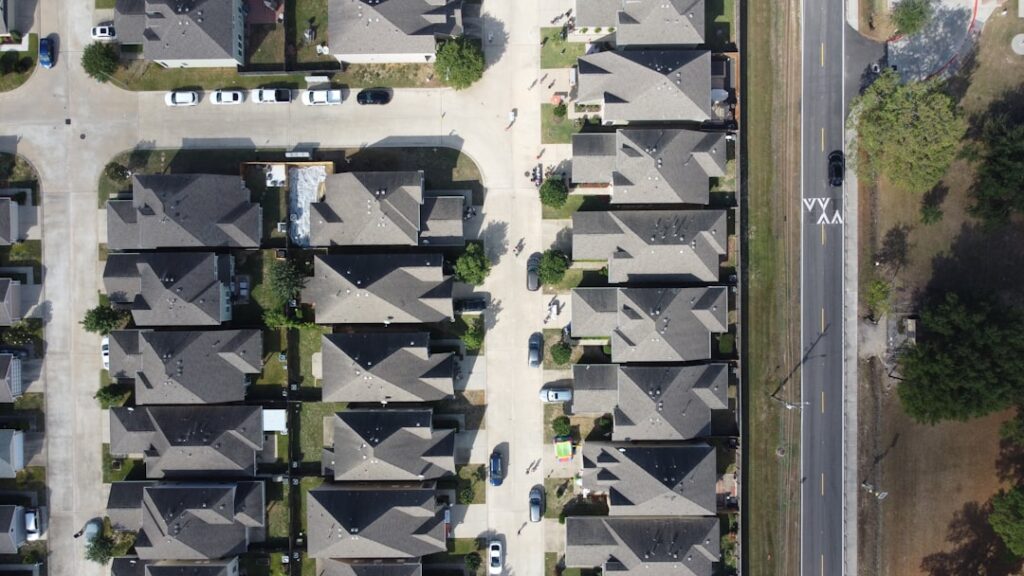
Choosing a mold inspector in Houston, TX, is fundamentally a vetting exercise. Texas regulates mold assessment more rigorously than most states, which simplifies some of the credential-verification work but does not eliminate the need for careful selection. Houston homeowners considering an inspection typically face two practical questions: how much will it cost, and how do I know I am hiring the right person? This guide focuses on those questions in detail. InspectandTest’s service area is the Colorado Front Range. The principles in this guide apply nationally, but readers in Houston should look for ASHI/InterNACHI-certified local inspectors with Texas Department of State Health Services mold assessment licensing. This guide summarizes EPA and CDC guidance current as of 2026 and is not medical advice.
Is this mold, asbestos, or water damage? Get a free instant screen
Upload a clear photo of the suspect area. You'll get an instant AI screening opinion and what to do next. This is screening guidance, not a professional determination.
Screening guidance only. AI can be wrong. Confirm asbestos, mold type, or lead with lab testing or a licensed professional before acting.
Texas Mold Assessor Licensing Requirements
Texas licenses mold assessors and remediators through the Department of State Health Services under the Texas Occupations Code. The relevant licenses for inspection work are Mold Assessment Consultant (MAC) and Mold Assessment Technician (MAT). A MAC is the senior credential and signs off on assessment plans and reports; a MAT works under MAC supervision. Texas law generally prohibits the same person from both assessing and remediating the same project, a structural protection against the most common conflict-of-interest scenario in mold work.
Verify the inspector’s license through the state’s online lookup at the Department of State Health Services website. Confirm the license is current, not expired or suspended. Note any disciplinary history. The license number itself should appear on inspection reports and proposals; if the inspector cannot or will not provide it before the visit, find a different inspector. Our broader mold inspection and testing hub for homeowners covers credential verification across markets.
Additional Credentials That Strengthen the Picture
Beyond the Texas MAC or MAT license, additional third-party credentials provide further confidence. InterNACHI mold certification, ASHI membership, IAC2 mold designation, and ACAC Certified Indoor Environmental Consultant credentials each indicate ongoing professional development and adherence to industry standards of practice. Inspectors who hold multiple credentials tend to produce more thorough reports because the credentialing programs reinforce different aspects of the inspection methodology. Verify each credential through the issuing body’s online directory.
The Conflict-of-Interest Test
Texas law prohibits the same individual from assessing and remediating the same project, but companies sometimes operate sister entities under common ownership. Ask the inspector directly: “Does your company or any affiliated company perform mold remediation work?” If the answer is yes, the inspector cannot perform the assessment on your project, but the affiliated remediation company can still benefit from work generated by the assessment. The cleanest arrangement is an inspector working through a company that exclusively performs assessment and not remediation. Our hiring a home inspector buyer’s guide covers vetting questions that apply across markets.
Houston Mold Inspection Cost Ranges in Detail
Visual-only mold inspections in Houston typically run three hundred fifty to six hundred dollars for a single-family home of moderate size. The price reflects inspector time, equipment use, and report production. Inspectors at the lower end of the range often work for larger franchise operations with high inspection volume; inspectors at the upper end typically work independently or in small firms and spend more time per inspection.
Adding two or three air samples raises the total to roughly six hundred to one thousand dollars. Each sample carries an incremental cost of roughly seventy-five to one hundred fifty dollars depending on the laboratory and the analytical method. Bulk samples cost similarly. Surface samples are typically less expensive per sample.
Comprehensive assessments involving thermal-imaging mapping across multiple rooms, ten or more samples, and detailed reports can exceed fifteen hundred dollars. Post-flood comprehensive assessments on larger homes can reach two thousand dollars or more. The pricing scales roughly with inspector time, number of samples, and report depth.
What Should Be Included in the Quoted Price
When requesting a quote, confirm that the price includes the following: the on-site inspection visit; all moisture meter readings and thermal-imaging work; a written report with photographs; laboratory analysis fees for any samples taken; and any follow-up consultation needed to interpret findings. Some inspectors charge separately for follow-up consultation or for report revisions; clarify the policy before scheduling.
Questions to Ask Before Hiring
Several specific questions help homeowners distinguish qualified inspectors from less-qualified ones. Ask for the MAC or MAT license number and verify it independently. Ask whether the inspector holds additional credentials and verify those too. Ask whether the company or any affiliated company performs remediation. Ask how long the typical inspection takes and what the inspector will do if findings warrant additional time on-site. Ask about the laboratory used for sampling and whether it is AIHA-LAP accredited. Ask for a sample report from a recent project so you can see the depth and format you will receive.
Houston-Specific Inspection Considerations
Houston’s specific climate and housing-stock factors shape what a good inspector pays attention to: post-Harvey vintage homes that took on water in 2017 and were dried with varying degrees of professionalism; slab-on-grade construction that hides slab leaks until visible mold appears on baseboards; the AC closet that runs nearly continuously for nine months of the year and can become a mold source itself; and any spaces with prior flood exposure from later events. An inspector experienced with Harris and surrounding counties recognizes the signs of past water damage that an out-of-area firm would miss.
Sampling Decisions in the Houston Context
The EPA’s position is that visible mold should be remediated regardless of species. Sampling is therefore a targeted tool used to answer specific questions. In Houston, common sampling scenarios include post-Harvey verification (does this home currently have elevated indoor spore concentrations?), pre-purchase confirmation (is the visible mold limited to what is documented or is there hidden contamination?), and post-remediation clearance (did the remediation contractor achieve appropriate clean-up?). Outdoor reference samples paired with indoor samples allow the laboratory to compare indoor concentrations to local outdoor baseline.
What the Inspection Report Should Contain
A complete Houston mold inspection report opens with property and inspector details, the MAC or MAT license number, the date, current weather conditions, recent flood-event disclosure, and any homeowner-reported water history. The body covers exterior envelope observations, room-by-room interior findings with moisture readings, attic and AC closet observations, thermal-imaging documentation, and laboratory results when samples were taken. The report should distinguish current observations from historical evidence of prior water damage and should recommend scope of work without naming a specific remediation contractor.
Acting on the Report
Once the report is in hand, the homeowner uses it to solicit competitive remediation bids from three or more licensed mold remediation contractors. Texas licenses remediators separately, and the bid process should also verify each remediator’s MRC license. The independent assessment report serves as the agreed scope of work that all bidders are pricing against, which keeps the bids comparable.
When the Free Inspection Is Not a Good Choice
Houston homeowners occasionally see “free mold inspection” offers from remediation companies. These offers carry an obvious conflict of interest because the inspecting company profits from the remediation work it recommends. In Texas, where assessment and remediation cannot be performed by the same individual on the same project, the free-inspection offer often comes through a sister entity that performs the eventual remediation work. The cost of an independent paid inspection is small compared to the typical savings from competitive remediation bidding.
How Houston Inspector Vetting Differs from Other Texas Cities
Texas state-level licensing applies across all Texas cities, so the basic MAC and MAT credential check is the same in Dallas, San Antonio, Austin, and Houston. The differences come from local inspector experience: Houston inspectors with documented post-Harvey assessment experience bring specific knowledge that out-of-area Texas inspectors may not have. For the climate-and-risk perspective on Houston mold inspections, see our companion mold inspection Houston post-Harvey and flood-mold guide, which covers the historical and climate drivers in more depth.
Insurance Considerations for Houston Mold Inspections
Insurance coverage for mold remediation in Houston follows different rules than coverage for sudden water-damage events. Standard homeowners insurance policies typically cover sudden, accidental water damage and any resulting mold remediation up to specified policy limits, but they generally exclude long-term moisture problems and gradual deterioration. Flood-related damage requires a separate National Flood Insurance Program policy or private flood coverage; standard homeowners policies exclude flood damage entirely.
The mold inspection report can support an insurance claim by documenting the date and condition of findings, the apparent source of moisture, and the extent of affected areas. Insurers may require their own assessor to evaluate the claim, and the policyholder’s independent inspection report often becomes the basis for negotiating coverage scope. Texas Department of Insurance consumer guidance covers the specific provisions of standard homeowners policies regarding mold claims, and homeowners with active claims should review the policy language carefully.
The Documentation Trail Matters
Houston’s high frequency of water events means many homes have a longer documentation trail than homes in drier climates. Buyers and current owners benefit from maintaining a complete file: original inspection reports, remediation invoices and scope documents, post-remediation clearance reports, photographs from before and after work, and any insurance claim records. The documentation matters for resale, for any subsequent insurance claims, and for the homeowner’s own understanding of the property’s moisture history.
Selling a Houston home with a documented remediation history actually fares better in many transactions than a home with unknown or hidden water history. Buyers value transparency and the assurance that work was done correctly. A clean documentation package, organized chronologically, often supports the asking price better than minimal disclosure does.
Coordinating Inspection With Other Houston Specialists
Significant Houston mold findings often interact with other building-system specialties. A wet wall cavity discovered during a mold inspection may require coordinated work from a licensed plumber (to repair the slab leak driving the moisture), a foundation specialist (if the underlying issue traces to slab cracking), an HVAC contractor (if the air handler is part of the moisture pathway), and the mold remediator (to address the affected materials). Without coordination, each specialist may address their narrow scope without resolving the broader problem.
The independent inspector cannot serve as project manager for the coordinated work, but the inspection report can identify which specialties need to be engaged and in what sequence. A well-written report describes the moisture source, the affected materials, and the recommended sequence of repairs (typically source correction first, then materials remediation, then post-remediation clearance). Homeowners working with multiple specialists benefit from sharing the inspection report with each one so they understand how their work fits into the broader scope. Single-specialist tunnel vision is a common failure mode that the integrated inspection report helps prevent.
References
- Mold Remediation in Schools and Commercial Buildings — EPA
- Basic Facts About Mold and Dampness — CDC
- InterNACHI Mold Inspection Standards — InterNACHI
- ASHI Standards of Practice — ASHI
For homeowners outside our service area, the InterNACHI member directory at nachi.org is a good starting point for finding a certified local inspector.