Mold Inspection in Estes Park, Colorado | InspectandTest
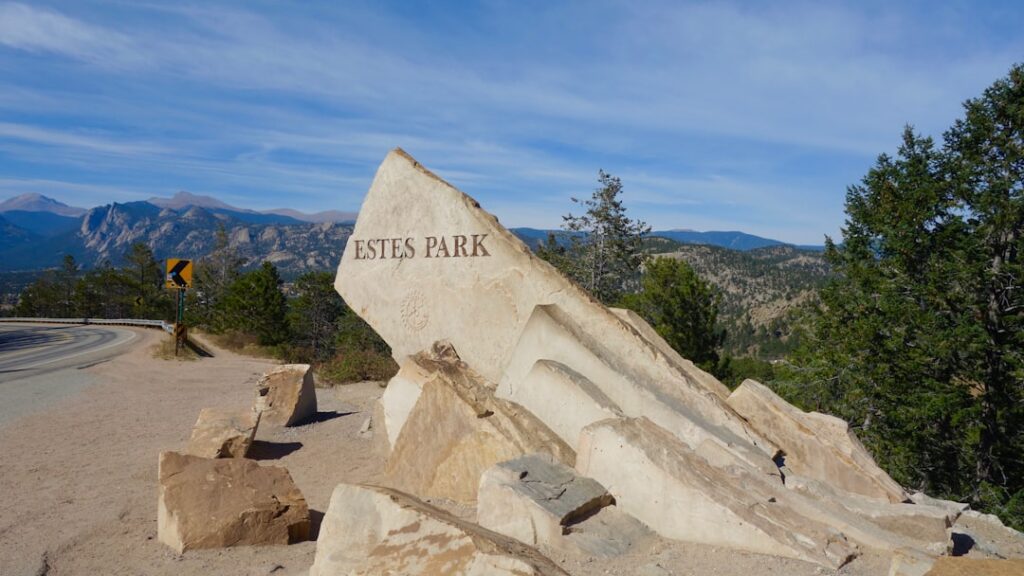
Estes Park sits at roughly 7,500 feet at the gateway to Rocky Mountain National Park, a mountain-resort town where vacation cabins, short-term rentals, crawlspace foundations, and a history of flooding create moisture conditions that mold readily exploits. A mold inspection in Estes Park is how a homeowner, buyer, or rental operator finds where moisture is collecting and whether mold growth has taken hold before it spreads behind finishes or affects air quality. This page covers what a mold inspection includes, why the local setting demands one, what it costs, and how to choose a qualified inspector. This summary reflects EPA and CDC guidance current as of 2026; consult a physician for health symptoms and a certified professional for testing decisions.
Is this mold, asbestos, or water damage? Get a free instant screen
Upload a clear photo of the suspect area. You'll get an instant AI screening opinion and what to do next. This is screening guidance, not a professional determination.
Screening guidance only. AI can be wrong. Confirm asbestos, mold type, or lead with lab testing or a licensed professional before acting.
Mold inspection in Estes Park: what to know
A mold inspection is a visual and instrument-assisted evaluation that locates active or past moisture problems and visible mold, then identifies the source feeding it. The inspector examines crawlspaces, basements, bathrooms, attics, and areas around windows and rooflines, using a moisture meter and often a hygrometer to find damp building materials and elevated humidity. The EPA’s core guidance is consistent: control moisture and you control mold, so a competent inspection focuses on water, not just spores.
In Estes Park the housing mix shapes where problems hide. Many properties are older cabins and seasonal homes with crawlspaces rather than full basements, and a crawlspace with a dirt floor, poor ventilation, or standing water is a classic mold incubator. Vacation homes and short-term rentals that sit closed and unheated for stretches can develop condensation and stale, humid pockets that encourage growth in spaces no one is checking regularly.
An inspection is not the same as remediation. Its job is to map the moisture and growth, identify the cause, and define the scope, so that any cleanup that follows targets the real source rather than wiping a surface and waiting for the mold to return.
Altitude shapes how mold behaves here in ways that surprise owners moving up from the plains. Estes Park’s thin, dry mountain air keeps indoor humidity low much of the year, which can lull owners into thinking mold is a low-country problem that does not apply at 7,500 feet. The reality is more specific: the air is dry, but the moisture sources, snowmelt, a leaking ice dam, a damp crawlspace, a closed-up rental’s unventilated bathroom, are concentrated and local. Mold does not need the whole house to be humid; it needs a single chronically damp surface. A competent Estes Park inspection looks past the comfortable dry living room and into the specific cold, damp pockets where mountain moisture actually collects.
Why Estes Park homes need mold inspection
Water history is the headline driver. Estes Park sits on the Big Thompson River and has lived through serious flooding, the 1976 Big Thompson flood and the catastrophic 2013 flood that tore through the canyon, and snowmelt swells local drainages every spring. Properties that took on water, or sit low near the river and its tributaries, carry elevated risk of lingering moisture in crawlspaces, lower levels, and wall cavities long after the visible water is gone.
The building stock concentrates the risk. Crawlspace foundations are common, and crawlspaces trap ground moisture and condensation where it can wick into framing and subflooring unseen. Older cabins with original materials, intermittent heating, and tight tree-shaded lots, found in areas like Carriage Hills, Fall River, and Little Valley, hold moisture against wood and slow drying after snow or rain.
Occupancy patterns finish the picture. A large share of Estes Park housing serves as vacation homes and short-term rentals that cycle between full and empty. A home shut up between bookings, with heat dialed down and bathrooms unventilated, can build humidity and condensation that a full-time resident would notice and correct. That gap, moisture accumulating in an unoccupied mountain home, is exactly the scenario a mold inspection is built to catch. For the regional picture, our guide to mold inspection in Larimer County covers the county-wide drivers in more depth.
What an Estes Park mold inspection covers
A thorough inspection follows the moisture, working through the spaces where mountain-home water problems concentrate.
Crawlspaces and lower levels
The inspector enters or scopes the crawlspace to check for standing water, damp soil, missing vapor barriers, condensation on framing, and visible growth on joists and subflooring. In flood-affected or low-lying Estes Park properties, this is often where the most significant findings appear.
Moisture-prone interior areas
Bathrooms, kitchens, laundry areas, window perimeters, and ceilings below the roofline get checked for staining, soft materials, and elevated surface moisture. Unventilated bathrooms in rentals are a frequent source of recurring growth.
Attic, roofline, and air sampling
The inspector looks for roof and ice-related leaks, attic condensation, and ventilation problems, then may collect air or surface samples for lab analysis when growth is suspected behind finishes. The EPA notes that sampling is not always necessary, the priority is finding and fixing the moisture, but lab confirmation can document a problem for a transaction or a rental dispute. Our plain-language mold hub for homeowners explains how testing and inspection fit together.
Mold inspection cost in Estes Park
A professional mold inspection in the Estes Park market typically runs about $300 to $600 for a visual assessment with moisture mapping, with the figure rising for larger homes, difficult crawlspace access, or properties with extensive water history. Mountain access and travel up the canyon can also factor into pricing.
Lab sampling adds to the total when used. Air or surface samples generally run roughly $40 to $100 per sample plus lab fees, and an inspector may take several to compare indoor air against an outdoor baseline. For a clear visual problem with an obvious moisture source, sampling may add little; for a hidden or disputed issue, the lab documentation can be worth it.
The scope of the inspection drives the price more than the address. A focused check of a single suspect area, a musty bathroom, a stained ceiling, costs less than a full assessment of a flood-history home with a difficult crawlspace and multiple moisture sources. Mountain access can add a travel component, and homes with finished lower levels may need more careful evaluation to find moisture hidden behind the finishes. A straightforward visual inspection with moisture mapping sits at the lower end, while a thorough multi-area assessment with several lab samples lands higher.
Weigh the cost against the alternative. Unaddressed crawlspace or wall-cavity moisture in an Estes Park cabin can rot framing and spread mold through materials, turning a few-hundred-dollar inspection into a far larger remediation and repair bill. For a rental operator, an early inspection protects both the building and guests. Pairing it with mold testing in Estes Park gives owners both the source diagnosis and the lab confirmation in one coordinated visit.
Estes Park regulations and disclosure
Colorado requires sellers to complete a Seller’s Property Disclosure that asks about known mold, prior water damage, and flooding, all directly relevant in a town with Estes Park’s flood history. A buyer should read that disclosure closely and treat any water-event history as a reason to inspect rather than a reassurance.
Colorado does not license mold inspectors or remediators, so credentials are voluntary and worth verifying. Look for inspectors who follow EPA mold guidance and recognized industry standards. For rental operators, short-term-rental licensing in Estes Park and Larimer County comes with habitability expectations, and a documented mold inspection helps demonstrate that a property is being maintained responsibly for guests.
Neighborhoods and areas served
Mold concerns turn up across Estes Park: crawlspace cabins and tree-shaded lots in Carriage Hills, Fall River, and Little Valley; riverside and low-lying properties near the Big Thompson and Fall River corridors; and the mix of vacation homes and rentals around downtown Estes and Marys Lake. Each setting points the inspector toward different likely sources.
Service typically extends down-canyon and to adjacent mountain communities, including Glen Haven, Allenspark, Drake, and Lyons, all of which share the same snowmelt, flooding, and crawlspace-driven moisture profile. Wherever a property sits in the Estes valley, the combination of water history and seasonal occupancy makes a mold inspection a sound step before buying, renting out, or after any water event.
Mold and vacation rentals in Estes Park
Short-term rentals deserve their own discussion because they combine every risk factor the town presents. A rental sits empty between bookings, often with the heat dialed down to save energy, then fills with guests who run hot showers, cook, and breathe moisture into the air before leaving it to sit closed again. That cycle of damp-then-dormant is ideal for mold, especially in bathrooms with weak or unused exhaust fans and in lower levels where cool surfaces invite condensation. An owner who lives elsewhere may not see a problem developing until a guest complains about a musty smell or visible spotting on a ceiling.
A periodic mold inspection is the practical answer for an absentee or part-time rental owner. Between guest seasons, an inspection can catch a developing crawlspace moisture problem, a slow roof or ice-dam leak, or a bathroom that needs better ventilation, before it grows into a remediation project and a string of canceled bookings. For owners managing several units around downtown Estes or Marys Lake, scheduling inspections during the shoulder season, after winter and before the summer rush, is a sensible maintenance rhythm.
There is a guest-health dimension as well. Visitors with asthma or mold sensitivities can react to a problem the owner has stopped noticing, and a documented inspection demonstrates that the operator takes habitability seriously. In a competitive rental market, a clean, dry, well-maintained property protects both the guests and the listing’s reputation, which makes proactive mold inspection a business decision as much as a building-care one.
How to choose an Estes Park mold inspector
Choose an inspector who works mountain and resort-town properties and understands crawlspace construction, flood-history risk, and the moisture patterns of homes that sit empty between bookings. Ask whether they use moisture meters and hygrometers and how they decide when lab sampling is warranted.
Confirm the inspector follows EPA and recognized industry mold guidance, and ask whether they perform remediation themselves. An inspector who only inspects and tests, separate from any cleanup company, has no incentive to overstate a problem, which makes their findings more trustworthy. A credible professional emphasizes finding and fixing the moisture source over chasing spore counts.
For a transaction or a rental, ask for a written report with photos, moisture readings, and a clear description of the source and recommended next steps. That documentation lets a buyer negotiate, an owner plan repairs, or a rental operator show diligence. Local knowledge of Estes Park’s cabins, canyons, and flood corridors is what turns a generic mold check into one that actually finds the water. An inspector who understands how snowmelt, crawlspaces, and seasonal occupancy concentrate moisture in this mountain town knows where to look first, which is what makes the difference between confirming a home is dry and missing the one chronically damp surface that was quietly feeding growth.
References
- Mold and moisture guidance for homes — U.S. Environmental Protection Agency
- Mold and your health — Centers for Disease Control and Prevention
- Mold health research — National Institute of Environmental Health Sciences
- Healthy homes and indoor air — Colorado Department of Public Health and Environment
In a town shaped by flood history and seasonal cabins, a mold inspection is how Estes Park owners catch moisture before it spreads. To connect with a vetted local inspector, reach out through our contact page.