Mold Inspection in El Paso County, Colorado
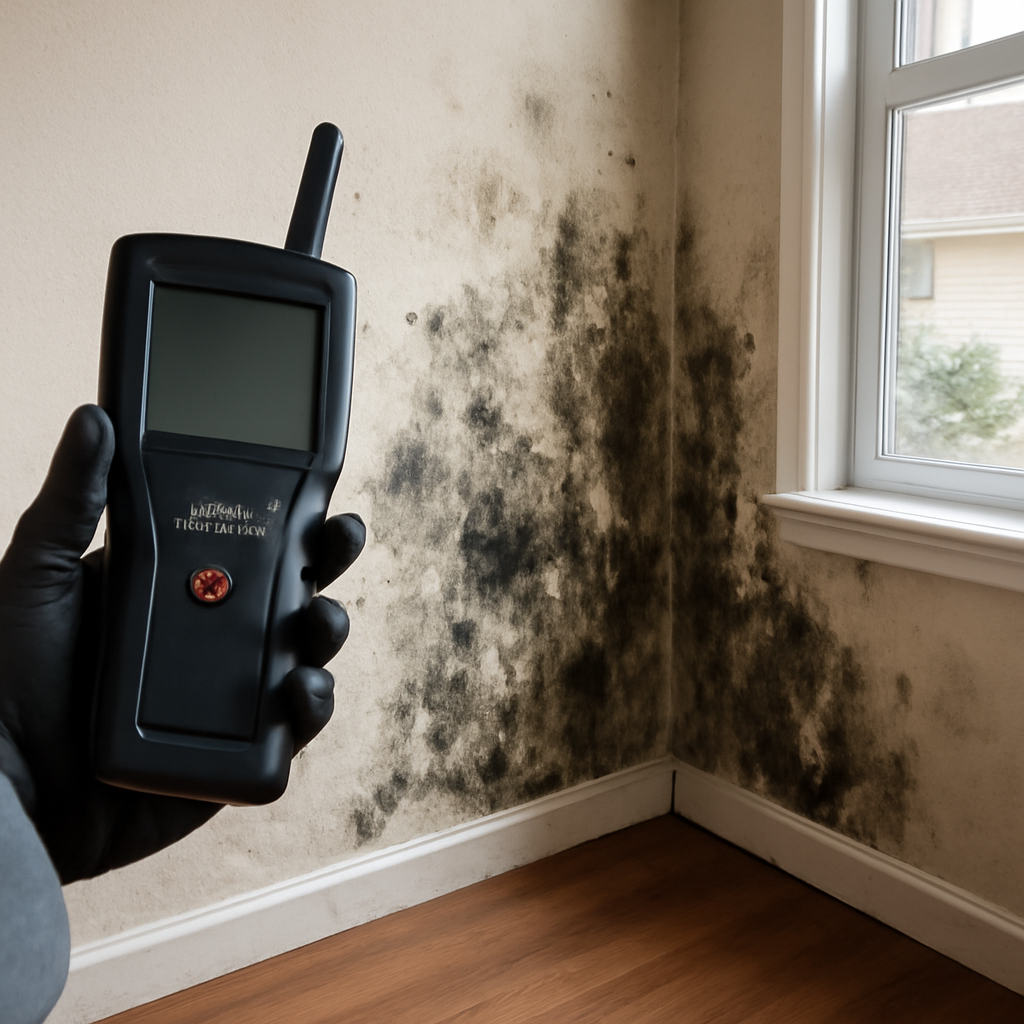
El Paso County is Colorado’s second-most-populous county, centered on Colorado Springs, and its dry, high-elevation climate can lull homeowners into assuming mold is a coastal problem rather than a Front Range one. In practice, evaporative coolers, finished basements, plumbing leaks, and winter sealing create the localized dampness that mold needs, from downtown Colorado Springs and Old Colorado City to the newer suburbs of Falcon, Monument, and Security-Widefield. This county hub explains what a mold inspection covers here, why local conditions drive growth, and which city pages to read next. Mold is a health-adjacent topic; the guidance below reflects EPA and CDC sources current as of 2026 and is informational, not a medical or remediation directive.
Is this mold, asbestos, or water damage? Get a free instant screen
Upload a clear photo of the suspect area. You'll get an instant AI screening opinion and what to do next. This is screening guidance, not a professional determination.
Screening guidance only. AI can be wrong. Confirm asbestos, mold type, or lead with lab testing or a licensed professional before acting.
Mold inspection in El Paso County: what to know
A mold inspection is a systematic, visual and moisture-meter evaluation of a home to find active mold growth and, crucially, the water source feeding it. A qualified inspector documents staining, musty odor, and elevated moisture readings, then traces the cause, because the EPA is clear that controlling moisture is the only durable way to control mold. Inspection identifies the problem and its origin; testing, covered separately, quantifies what is present. For the underlying science and how inspection and testing differ, our plain-language mold hub for homeowners walks through both.
El Paso County’s housing spans a broad range, from historic downtown Colorado Springs and Old Colorado City pre-1978 stock to sprawling newer suburbs and military-adjacent housing near Fort Carson, Peterson, and Schriever. Each era hides moisture differently: an old downtown bungalow may have a damp, poorly drained basement, while a newer Falcon tract home may conceal a slow plumbing or roof leak behind finished drywall. An inspector who reads the local stock knows where to look first.
A useful framing is that mold is a symptom of a water problem, not a problem in itself. Visible growth, a musty smell, or a positive sample all trace back to a moisture source, and cleaning the growth without correcting that source only postpones its return. This is why a competent El Paso County inspection devotes as much attention to the swamp cooler, the plumbing, the grading, and the roof as to the staining itself. A homeowner who reads a report through this lens sees the real finding clearly: not the patch of mold in the closet, but the leaking cooler duct or the snowmelt path against the foundation that produced it, and the fix should start there.
Why El Paso County homes grow mold
The dry climate is exactly why local moisture goes unnoticed. Because Colorado Springs is arid most of the year, homeowners rarely think about humidity, so a slow leak under a sink, a failed water heater, or a swamp-cooler problem can run for weeks before anyone notices. The EPA notes mold can begin growing on damp surfaces within 24 to 48 hours, so an unnoticed leak in a dry-climate home still produces mold; it just does it quietly behind a cabinet or wall.
Evaporative coolers are a leading local driver. Swamp coolers suit the dry climate and are common across El Paso County, but they add moisture to the home each summer, can leak at rooftop penetrations, and need seasonal blow-out before winter. A neglected cooler or its ductwork is a recurring source of the ceiling staining and attic dampness inspectors find here. Winter sealing compounds it, since homes shut tight against the cold trap whatever moisture the cooler, cooking, and bathing add.
Finished basements concentrate the risk where families live. Many El Paso County homes finish their lower levels for bedrooms and rec rooms, and a basement that takes on snowmelt through a foundation crack, or sits over a high water table after a wet spring, can grow mold behind the finished walls. The CDC notes mold exposure can trigger respiratory symptoms in sensitive people, so a damp finished basement is both a building and a health concern.
What an El Paso County mold inspection covers
A thorough inspection works from the most likely water sources outward. The inspector checks basements and crawlspaces, foundation walls, around windows and below-grade penetrations, under sinks and behind appliances, the swamp-cooler and its ductwork, and the attic and roofline, using a moisture meter and often a hygrometer to find dampness the eye misses.
Evaporative-cooler and roof checks
Because swamp coolers are so common in El Paso County, the inspector examines the cooler unit, its supply ducts, and the surrounding roof and ceiling for the staining and rot a leaking or poorly maintained cooler leaves behind, a frequent root cause of upper-level mold here.
Basement and foundation checks
In finished basements across Colorado Springs, Fountain, and the newer suburbs, the inspector looks for staining at the base of walls, moisture behind finished surfaces, and grading or drainage that sends snowmelt toward the foundation, the most common path for basement dampness in the county.
Mold inspection by El Paso County community
The county’s communities present distinct moisture profiles. In Colorado Springs, the spread from historic downtown and Old Colorado City bungalows to sprawling newer suburbs means an inspector toggles between old damp-basement concerns and concealed leaks behind newer finished drywall. Manitou Springs, tucked against the foothills with older homes and higher local moisture from terrain and drainage, leans toward foundation-dampness and crawlspace scrutiny.
In Fountain and Security-Widefield, slab-on-grade and mid-century homes shift attention to plumbing leaks and swamp-cooler ductwork, while Monument and Black Forest, at higher elevation with more trees and snow load, bring snowmelt-driven foundation moisture and roof concerns into focus. Falcon and the eastern plains subdivisions skew newer, so a slow, hidden leak behind a finished wall is the typical find. Military-adjacent housing near Fort Carson, Peterson, and Schriever adds turnover-driven wear. A homeowner reviewing this hub should read the city page closest to the property, because location and elevation shape which moisture source is most likely.
Mold inspection cost in El Paso County
A visual mold inspection in the El Paso County market generally runs about $300 to $600 for a single-family home, depending on size, basement finish, and crawlspace and attic access. Adding laboratory air or surface sampling, which quantifies spore types and counts, typically brings the total up by roughly $150 to $400 depending on the number of samples.
The cost is small against what unaddressed moisture can do. A slow swamp-cooler or plumbing leak in a Colorado Springs home, hidden behind a wall, can turn into a costly remediation once growth spreads, while an early inspection that pinpoints the water source lets an owner fix the leak or drainage for far less. For a buyer, an inspection during the contingency turns a vague musty smell into a documented finding that supports a repair request or price adjustment.
The swamp cooler deserves a closer look because it is so central to the local moisture picture. An evaporative cooler works by drawing outside air across wet pads, which means it deliberately adds humidity to the home all summer, and when its rooftop unit, supply ducts, or water line leak, that moisture lands in the attic, ceiling, and upper walls rather than draining away. A unit that was not blown out and covered before winter can also harbor standing water and the staining that follows. An inspector who knows El Paso County checks the cooler’s condition, traces its ductwork, and examines the ceilings and attic directly below and around it, because in a dry climate where homeowners rarely think about humidity, the cooler is the single most common reason an upper-level mold problem appears where a basement-focused inspection would never look.
Colorado regulations and disclosure
Colorado does not license mold inspectors or assessors, so the credentials to look for are recognized certifications such as those tied to IICRC or a council-certified microbial framework, plus a clear, protocol-driven report. The Seller’s Property Disclosure asks about known water damage and mold, but in a dry-climate market where moisture problems are easy to overlook, buyers should not rely on disclosure alone. Because remediation in Colorado is largely unregulated, a careful inspection that documents both the growth and its moisture source is the homeowner’s best protection.
Communities and areas served
This hub connects the city-level mold pages across El Paso County. The county seat and population center is Colorado Springs, anchoring a network that includes Fountain, Monument, Manitou Springs, Falcon, Security-Widefield, and Black Forest, each with its own moisture profile, from old downtown and Old Colorado City basements to newer suburban and military-adjacent housing. For city-specific detail, see our pages on mold inspection in Colorado Springs and our companion mold testing in El Paso County guide.
Whether the home is a Manitou Springs cottage tucked against the hills or a newer Falcon build on the plains, the shared drivers of swamp-cooler moisture, finished basements, and winter sealing make moisture tracing the heart of every county mold inspection.
How to choose an El Paso County mold inspector
Hire an inspector who tests with a moisture meter and traces water sources rather than one who jumps straight to selling remediation, since the EPA’s whole framework is that fixing moisture, not fogging chemicals, solves mold. Ask for a sample report, confirm they sample to a recognized protocol if lab testing is involved, and make sure the inspector is independent of any remediation company.
For a swamp-cooled home, ask specifically how the inspector evaluates the cooler, its ductwork, and the surrounding roof and ceiling. For a finished-basement home, ask how they check for moisture behind finished walls. A good inspector explains what the readings mean, separates cosmetic staining from active growth, and gives you a moisture-source diagnosis you can act on.
It helps to know what an inspection settles and what it leaves to testing. A visual inspection finds growth and traces the water source, but it does not identify the mold species or measure airborne spores, which is the job of lab sampling covered in our companion El Paso County testing guide. For most homes here the moisture-source diagnosis is the actionable result, since correcting a leaking swamp cooler, sealing a basement foundation, or fixing a hidden plumbing leak removes the dampness mold needs regardless of species. Testing earns its place when a buyer needs a documented number to negotiate, when symptoms point to a source the eye cannot find in a dry-climate home, or when a post-remediation clearance check is required. A good inspector tells you which of those applies rather than adding samples to every visit by reflex, and in a market where moisture is easy to overlook, that judgment is part of the value.
References
- Mold cleanup and moisture control — U.S. Environmental Protection Agency
- Mold and your health — Centers for Disease Control and Prevention
- A Brief Guide to Mold, Moisture and Your Home — U.S. Environmental Protection Agency
Even in dry Colorado Springs, swamp coolers and finished basements create the hidden moisture mold needs. To connect with a vetted Front Range mold inspector who traces the water source, reach out through our contact page.