Home Radon Mitigation System: What Homeowners Need to Know
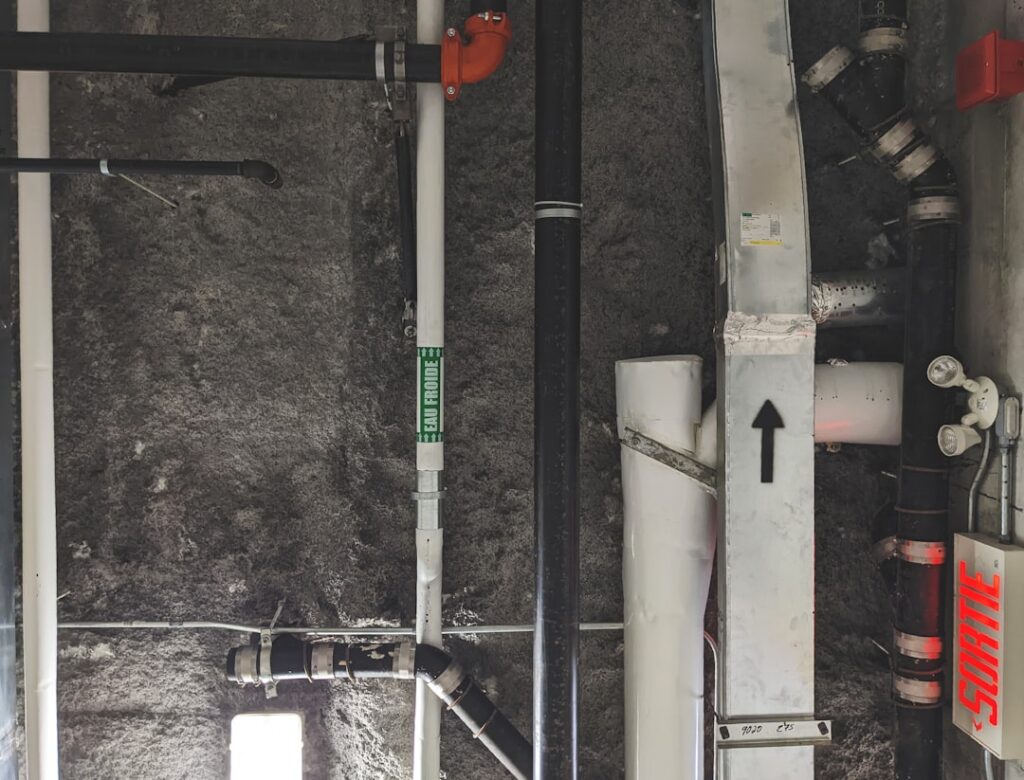
After a confirmed radon test reads at or above the EPA action level of 4 pCi/L, the next step is mitigation. On the Front Range — EPA Zone 1, with about half of CDPHE-tested homes above 4 pCi/L — a home radon mitigation system is a routine installation, not an exotic intervention. This guide explains the components, cost ranges, the DIY-versus-licensed-mitigator decision, and CDPHE Colorado standards. The summary reflects EPA and CDPHE guidance current as of 2026 — consult a licensed Colorado mitigation contractor for installation and your physician for any health concerns.
Home Radon Mitigation System: The Short Answer
The dominant home radon mitigation system in Colorado is active sub-slab depressurization (ASD). A 4-inch PVC pipe is drawn through the slab into the soil-gas layer beneath the foundation. An inline fan — typically RadonAway RP145 or RP265 — pulls soil gas continuously up the pipe, through a vent stack, and out above the roofline. The system reduces indoor radon by 80 to 99 percent in most Front Range installations. Typical install cost: $1,200 to $2,500 for a single-pipe residential system. The fan runs continuously and has an 8- to 12-year service life. Post-install testing within 30 days confirms levels are below 4 pCi/L.
System Components Explained
The Suction Point
The system begins with a hole cut through the basement slab into the porous fill or aggregate below. The suction point is sealed at the slab with a flange. Soil gas — which includes radon — is drawn into the pipe at this point. For homes with multiple disconnected slab sections (additions, crawl spaces under part of the footprint) more than one suction point may be needed.
The Vent Pipe
4-inch Schedule 40 PVC is the Colorado norm. The pipe runs vertically from the slab through finished space, into the attic or up the exterior wall, and terminates above the roofline. The vent must discharge at least 12 inches above the roof and at least 10 feet from any window, door, or HVAC intake to prevent re-entry.
The Inline Fan
RadonAway RP145, RP265, and similar models are the dominant fans in residential Colorado. The fan creates a small negative pressure under the slab that exceeds the natural soil-gas pressure, reversing the gradient and pulling radon out before it enters the home. Fans are mounted in unconditioned space — attic, garage, or exterior wall — never in finished living space. Typical power draw is 30 to 60 watts continuous.
The Manometer
A small U-tube manometer is installed on the vent pipe in finished space. The pressure differential shown in the manometer confirms the fan is running and pulling soil gas. A flat manometer reading indicates fan failure or a blockage. Owners check the manometer monthly as a basic system-health verification.
Sealing
Slab cracks, the slab-wall joint, sump pit covers, and floor drain perimeters are sealed with elastomeric caulk to maximize the system’s pull. Sealing alone does not constitute mitigation; the active fan plus sealing produces the documented reduction.
Cost Ranges on the Front Range
A single-pipe ASD install in a typical Denver-metro home: $1,200 to $2,000. Multi-pipe systems for homes with additions or crawl spaces: $1,800 to $3,500. Older homes with no permitter drain access or unusual foundation geometry: $2,500 to $4,500. Crawl-space encapsulation with sub-membrane depressurization: $2,500 to $5,000. Replacement of an aging fan: $300 to $600 parts and labor. Post-install testing by a licensed measurement specialist: $135 to $250.
Pricing is broadly consistent across Denver, Douglas, Arapahoe, Jefferson, El Paso, Adams, and Boulder counties. Mountain-county installs can run 15 to 25 percent higher due to travel and labor scarcity.
CDPHE Mitigation Action Levels
EPA’s action level of 4 pCi/L is also CDPHE’s recommended mitigation threshold. Between 2 and 4 pCi/L is the consideration range where many Colorado homeowners choose to mitigate because regional baselines push exposure high. Below 2 pCi/L is the lower-risk band, though the EPA emphasizes no level is risk-free.
Post-mitigation, CDPHE recommends a confirmation test within 30 days of system startup and re-testing every two to three years. Most properly installed Colorado systems hold levels well below 2 pCi/L after activation. The pillar guide on radon testing in Colorado covers state-level standards.
DIY vs Licensed Mitigator
The Case for a Licensed Mitigator
Active sub-slab depressurization requires cutting the foundation slab, drilling through finished walls or roof, electrical work for the fan, and a post-installation test to verify reduction. Colorado licenses radon mitigators through CDPHE; the credential ensures the contractor follows EPA standards. A licensed install also satisfies real-estate-transaction requirements and produces warranty documentation.
Why DIY Is Generally a Bad Idea
Cutting an undersized hole reduces pull. Routing a vent through interior walls without proper sealing can produce re-entry. Using consumer-grade fans without proper inline mounting causes premature failure. An improperly installed system can read as effective during the first month, then drift back as the fan wears or the seal degrades. Real-estate transactions will not accept a non-licensed install, and the in-batch radon system repair guide covers what happens when a system underperforms.
When Minor DIY Is Acceptable
Sealing slab cracks with elastomeric caulk before a licensed mitigator’s visit is reasonable preparation work. Sealing alone is not mitigation, but it reduces fan load and may marginally improve performance. Replacing a failed manometer fluid is a simple owner task. Replacing the fan itself is a job for the original mitigator under warranty.
Vetting a Colorado Mitigator
CDPHE maintains a public list of licensed Colorado radon mitigators at cdphe.colorado.gov. NRPP and NRSB also maintain national certification registries. Verify the contractor’s license is current. Ask for proof of general liability insurance. Request references from recent Front Range installs. Confirm the post-installation test will be performed by a licensed measurement specialist independent of the mitigator when possible.
Get two or three quotes for the same scope. Cost can vary $500 or more between contractors for the same single-pipe install. The cheapest is not always the best, but a quote significantly above the median deserves scrutiny.
Post-Install Verification
Within 30 days of system startup, a post-mitigation test must confirm indoor radon is below 4 pCi/L. EPA Protocols recommend the post-test be conducted by a measurement specialist independent of the mitigator. Some Colorado mitigators bundle the post-test into the install package; others coordinate with a third-party measurement specialist. Either way, the post-test result becomes part of the home’s permanent record and is often disclosed at future resale.
If the post-test reads above 4 pCi/L, the mitigator should adjust the system at no additional cost. This usually means adding a second suction point, upgrading the fan, or additional sealing. The in-batch accurate radon testing guide covers post-install confirmation logic.
Ongoing System Maintenance
Monthly: glance at the manometer. The U-tube fluid should show a clear pressure differential. A flat reading means the fan is not pulling.
Annually: inspect the vent termination above the roof for debris, ice buildup, or birds nesting. Check that the fan is still running quietly. Listen for any unusual hum or vibration.
Every 8 to 12 years: replace the fan. Fans wear out; replacements typically cost $300 to $600 installed. After fan replacement, re-test within 30 days. The in-batch radon basement system guide covers maintenance details.
Variations on the Standard Install
Sub-slab depressurization is the dominant Colorado method but not the only one. Sub-membrane depressurization is used for crawl-space homes — a heavy polyethylene membrane is installed across the crawl-space floor and the suction pipe pulls from beneath the membrane. Block-wall depressurization is used for older homes with hollow concrete-block foundation walls; the suction draws from inside the wall cavity. Heat-recovery ventilation can supplement mitigation in homes where sub-slab depressurization alone does not reach below 4 pCi/L. Each variation has Colorado-licensed practitioners; the mitigator’s quote should explain why a specific variant is being proposed.
For a typical Front Range three-bed, two-bath home on a full basement, single-pipe active sub-slab depressurization is almost always the recommended approach. Variations come into play for unusual foundation configurations, crawl-space homes, or homes where the standard system did not achieve the post-test target.
Permits and Code Considerations
Many Front Range jurisdictions require a permit for radon mitigation system installs. The mitigator typically pulls the permit as part of the install package. Permit fees on the Front Range run $50 to $200 depending on jurisdiction. The permit triggers a final inspection of the install — electrical for the fan, structural for slab penetrations, and venting for the discharge termination.
For homes where the mitigation system penetrates the roof, the roof penetration must be properly flashed and sealed to prevent water intrusion. Reputable mitigators include this work in the install scope; cheap quotes that skip proper flashing can produce roof leaks years later.
Performance Expectations by Initial Reading
An initial reading of 6 to 12 pCi/L typically drops to under 2 pCi/L with a properly installed single-pipe system. Initial readings of 12 to 25 pCi/L typically drop to 2 to 4 pCi/L with a single pipe, sometimes requiring a higher-capacity fan or a second suction point to reach below 2. Initial readings above 25 pCi/L often require multi-pipe systems or additional sealing work to reach the action level.
Properly installed Colorado systems routinely reduce indoor radon by 80 to 99 percent. The remaining factor is the home’s baseline soil-gas conditions and foundation construction. The in-batch radon system repair guide covers underperforming systems.
What to Expect on Install Day
A typical single-pipe install runs four to eight hours on a single day. The mitigator arrives, surveys the basement, locates a suction point near a corner of the slab, drills a 5-inch hole through the concrete, and excavates 6 to 8 inches of fill beneath. A 4-inch PVC pipe is routed from the suction point up through finished space — often inside a closet or utility chase — into the attic, across to the gable end or roof, and out above the roofline. The fan is mounted in the attic or on the exterior wall. Electrical work for the fan is completed with a dedicated circuit or by tying into an existing attic circuit.
Some noise and dust accompany the slab drilling. Reputable mitigators use vacuum-attached drills and clean up thoroughly. Most homeowners can remain in the home during the install.
References
- Consumer’s Guide to Radon Reduction — U.S. Environmental Protection Agency
- Radon Mitigation — Colorado Department of Public Health and Environment
- Radon Prevention — Centers for Disease Control and Prevention
- Radon and Lung Cancer — American Lung Association
Front Range homeowners with an elevated radon reading looking for a connection to a licensed Colorado mitigator can reach out through our contact page.
Radon mitigation fans & parts
If a sub-slab depressurization system is the fix, the inline fan is the heart of it. Match the fan to your soil and pipe diameter — or have a certified installer size it.
| Product | Why | Buy |
|---|---|---|
 RadonAway RP145 Inline Fan RadonAway RP145 Inline Fan | Common 4-in. SSD workhorse fan. | Amazon — $152.00 |
 Fantech Rn2 Radon Fan Fantech Rn2 Radon Fan | Quiet operation; energy-efficient. | Amazon — $148.29 |
 Radon U-Tube Manometer Radon U-Tube Manometer | Confirms the system is pulling suction. | Amazon — $10.99 |