Home Inspection in Douglas County, Colorado
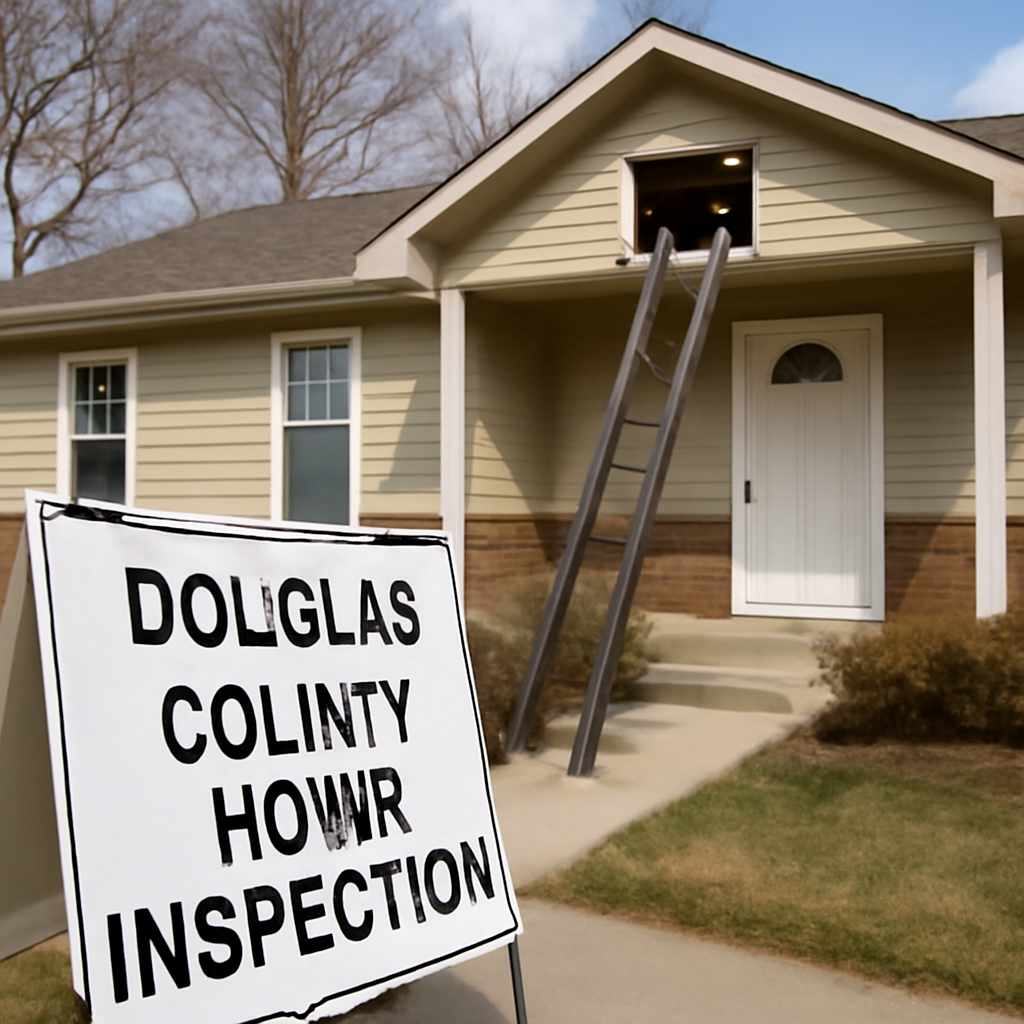
Home inspection douglas county buyers schedule is the independent assessment of a home’s structure and systems before closing. Douglas County stretches from Castle Rock, the county seat, through Highlands Ranch, Parker, Lone Tree, and Castle Pines to rural Sedalia and Larkspur, and its post-1980 tract housing shapes what an inspection finds. This county hub explains what a Douglas County inspection covers, the local conditions inspectors watch for, costs, and links to city pages. Newer homes are not problem-free, and this page lays out the issues that actually show up across the county’s housing stock.
Home inspection in Douglas County: what to know
A home inspection is a non-invasive visual evaluation of a home’s major systems, foundation, roof, structure, electrical, plumbing, HVAC, and built-in appliances, resulting in a written report of defects and maintenance items. It is not a pass-or-fail test; it gives a buyer an informed picture before a deadline and a basis for negotiation.
Douglas County’s housing is younger than most of the Front Range, so the inspection emphasis shifts. Rather than the aging systems of a pre-war Denver home, a Highlands Ranch or Parker inspection focuses on tract-build quality issues: grading and drainage around finished basements, attic ventilation, deferred maintenance on 20-to-40-year-old roofs and water heaters, and the foundation movement that local soils can cause.
For how to vet an inspector and what the report should contain, our buyer’s guide to hiring a home inspector walks through the process. This page covers the county-specific picture.
Why Douglas County homes need a thorough inspection
Newer does not mean flawless. The dominant post-1980 tract homes in Castle Rock’s Meadows and the villages of Highlands Ranch were often built quickly during boom years, and an inspection commonly surfaces drainage that slopes toward the foundation, undersized attic ventilation, and original roofs and mechanicals now near the end of their service life. These are exactly the items a buyer wants priced into a deal.
Soils drive the structural story. The Dawson Formation and the expansive clays found in parts of Douglas County can heave and settle with moisture changes, stressing foundations and slabs. An inspector looks for the diagonal drywall cracks, sticking doors, and slab separations that signal movement in a Parker or Lone Tree home, since soil-related foundation issues are a known Front Range concern.
Finished basements concentrate several risks at once. The county’s lower-level living spaces combine radon entry, moisture intrusion, and sometimes unpermitted finish work. An inspection documents whether the basement was finished to code, whether egress windows are present in bedrooms, and whether grading and window wells keep water out, all common findings in Douglas County’s finished-basement housing.
What a Douglas County home inspection covers
A standard inspection follows a recognized standards-of-practice checklist and adapts its emphasis to the local housing.
Structure, roof, and the foundation
The inspector evaluates the roof covering and its remaining life, attic framing and ventilation, and the foundation for cracks and movement. On the county’s expansive soils, foundation and grading findings carry weight, so a careful inspector notes drainage direction, downspout discharge, and any evidence of slab or wall movement in the basement.
Systems and the finished basement
Electrical panels, plumbing supply and drainage, the furnace and air conditioning, and the water heater all get checked for function, age, and safety. The finished basement gets specific attention: egress, moisture signs, and the radon entry points that matter so much in this Zone 1 county. Pairing the inspection with a radon test is common given that overlap.
Home inspection cost in Douglas County
A standard home inspection in the Douglas County market typically runs about $400 to $600 for a single-family home, scaling with square footage and age. Larger Castle Pines and Lone Tree homes with finished walkout basements and multiple HVAC systems sit at the higher end. Add-on services, radon testing, sewer scope, or thermal imaging, raise the total but bundle efficiently into one visit.
Against a Douglas County purchase price, the inspection fee is small insurance. Catching a failing roof, a foundation movement pattern, or a moisture-prone finished basement before closing gives a buyer real leverage and prevents an expensive surprise after the keys change hands.
Colorado regulations and disclosure
Colorado does not license home inspectors, so credentials and standards are the buyer’s responsibility. Look for membership in a recognized national association and adherence to a published standards of practice. Sellers must complete Colorado’s Seller’s Property Disclosure, reporting known defects, but that disclosure is no substitute for an independent inspection by your own inspector.
Because there is no state license, ask which standards of practice the inspector follows and request a sample report. On Douglas County’s newer homes, a detailed report that distinguishes safety issues from routine maintenance helps a buyer negotiate from facts rather than a verbal summary.
Communities and areas served across Douglas County
Inspection demand spans the county. Castle Rock, the county seat, generates steady volume from its Meadows and Founders Village neighborhoods; our home inspection in Castle Rock page covers the city detail. Parker’s Stroh Ranch and Canterberry areas follow the same tract-home profile, on our home inspection in Parker page. Highlands Ranch, the largest community, accounts for the most inspections given its housing volume.
Coverage extends to Lone Tree, Castle Pines, Sedalia, and Larkspur, where rural properties add well, septic, and outbuilding considerations to the standard inspection. Across all of these, the county’s Zone 1 radon status and expansive soils make radon and foundation findings recurring themes regardless of which community a home sits in.
Expansive soils and foundations in Douglas County
The single most consequential local factor in a Douglas County inspection is the soil. Parts of the county sit on expansive clays and the Dawson Formation, soils that swell when they absorb moisture and shrink when they dry. This cycle exerts enormous force on foundations, and over years it can lift, crack, and separate concrete slabs and foundation walls. A careful inspector treats foundation evaluation as a headline item rather than a checkbox in a Castle Rock or Parker home.
The visible signs of soil movement are often subtle and scattered. Diagonal cracks running from the corners of windows and doors, drywall cracks that reopen after being patched, doors and windows that stick or no longer latch, and gaps between trim and walls all point to a foundation that has moved. In a finished basement, the inspector looks for cracks in the foundation wall, separation at the cold joint, and any unevenness in the slab that telegraphs movement below.
Drainage is the controllable variable, and it is where the inspection adds the most value. Because soil movement is driven by moisture, grading that slopes toward the foundation, downspouts that discharge at the base of the wall, and poorly draining window wells all feed the very problem that cracks foundations. An inspector who documents these drainage faults gives a Douglas County buyer an actionable list, since correcting grading and downspout discharge is far cheaper than the foundation repair that uncontrolled moisture eventually forces.
What inspection findings mean for negotiation
A home inspection report is most useful when a buyer understands how to act on it, and in Douglas County the findings sort into a predictable hierarchy. Safety and structural issues sit at the top: a foundation movement pattern, an aging roof at the end of its life, an electrical hazard, or a moisture-compromised finished basement. These are the items a buyer’s agent typically raises in an inspection objection, since they carry real cost and the seller usually expects to address them.
Major-system age is the middle tier. A 25-year-old furnace, an original water heater, or a roof with a few years left is not a defect exactly, but it is a foreseeable expense that a buyer can reasonably factor into the negotiation. On the county’s post-1980 housing, many homes are now old enough that original mechanicals are reaching replacement age all at once, which is exactly the kind of finding that helps a buyer price a Highlands Ranch or Lone Tree home accurately.
Routine maintenance items fill the bottom tier, and a good report separates them clearly from the serious findings so a buyer does not over-negotiate small items or, worse, miss the big ones in a long list. A missing GFCI outlet, a dirty furnace filter, or caulking that needs replacing are homeowner tasks, not deal points. An inspector who rates severity and explains which findings are structural versus cosmetic gives a Douglas County buyer the clarity to negotiate from facts rather than from a pile of undifferentiated notes.
What affects home inspection cost in Douglas County
Square footage and home age are the base drivers. A compact Highlands Ranch townhome inspects faster and costs less than a sprawling Castle Pines or Lone Tree custom home with multiple levels, a finished walkout basement, and two or three HVAC systems. More square footage means more surfaces, systems, and outbuildings to evaluate, and an older home, even by Douglas County standards, carries more aging components that demand closer attention. The fee scales with the time and scope the property genuinely requires.
Add-on services are the next layer. A radon test is the most common addition given the county’s Zone 1 status, and a sewer scope, thermal imaging, or a well-and-septic evaluation each adds to the total. The advantage is that bundling them into one visit spreads the trip charge, so the marginal cost of each add-on is lower than booking it separately. A rural Sedalia or Larkspur property on a well and septic system often warrants those specialty evaluations that a Highlands Ranch tract home does not.
Property complexity rounds out the range. A home with detached structures, a workshop or barn near Larkspur, a complicated roof with multiple valleys prone to ice dams, or known foundation movement that warrants extra documentation all extend the inspection. None of these are reasons to skip the work; they are the conditions that make a thorough inspection worth more on a particular Douglas County home, and a transparent inspector explains how the property’s features shape the quote.
How to choose a Douglas County home inspection provider
Look for a recognized association membership, a published standards of practice, and a sample report that shows photographs and clear severity ratings. An inspector who understands the county’s expansive soils, finished-basement risks, and Zone 1 radon picture will inspect for what actually goes wrong here rather than running a generic checklist. Ask whether radon, sewer scope, and thermal imaging are available as add-ons.
For a purchase, consider bundling the inspection with a radon test and a pre-purchase inspection in Douglas County so one coordinated visit covers structure, systems, and soil-gas risk. That combination fits the post-1980, finished-basement reality of most Douglas County homes and gives buyers a complete picture before the inspection deadline.
References
- Standards of Practice for home inspections — International Association of Certified Home Inspectors
- Finding a qualified home inspector — American Society of Home Inspectors
- Radon risk and zone maps — U.S. Environmental Protection Agency
Before closing on a Douglas County home, an independent inspection turns a newer tract house’s hidden issues into negotiating facts. To connect with a vetted local inspector before your deadline, get in touch through our contact page.