First Alert Radon Test Kit: What to Know
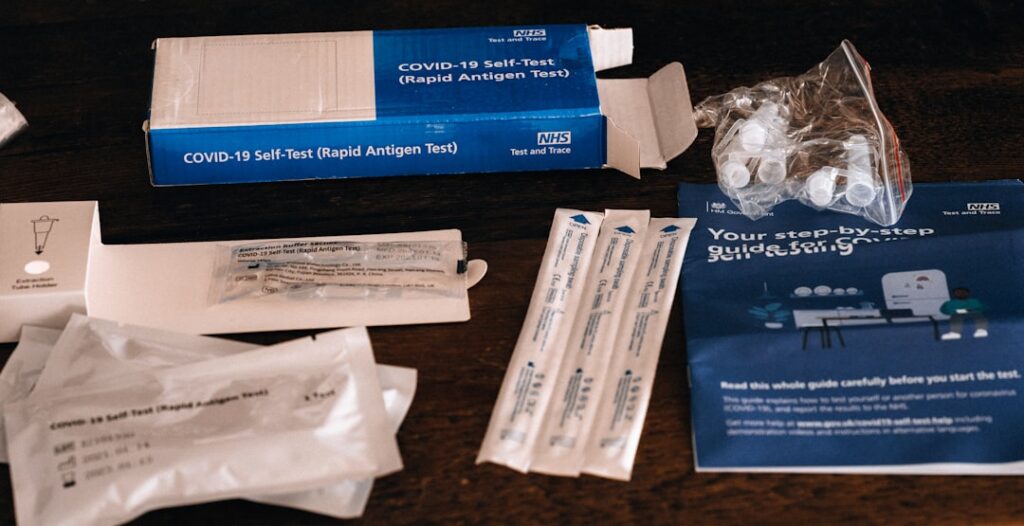
A First Alert radon test kit is one of the inexpensive, widely available options Colorado homeowners reach for when they first decide to check their home for radon, a colorless, odorless radioactive gas that is the leading cause of lung cancer among non-smokers. The Front Range sits in a region with elevated radon potential, so testing matters here. This guide summarizes EPA and Colorado Department of Public Health and Environment guidance current as of 2026; consult a certified professional for testing decisions affecting a real estate transaction and your physician for any health concerns. It explains how a First Alert kit works, how to use one correctly, what the results mean, and when a DIY kit is or is not the right tool.
What is a First Alert radon test kit and how does it work?
A First Alert radon test kit is a consumer-grade, do-it-yourself radon screening product. Most kits of this type are passive devices: you place the kit in the home, leave it undisturbed for a set period, then seal it and mail it to a laboratory for analysis. The lab measures the radon the device captured and reports a result in picocuries per liter of air, abbreviated pCi/L, which is the standard unit for radon concentration.
Passive consumer kits commonly use one of a couple of technologies. Charcoal-based kits absorb radon over a short test window of a few days. Alpha-track detectors use a plastic film that records the tracks left by radon decay and are typically used for longer test periods. Either way, the device itself does not display a number; the laboratory analysis produces the result. The kit price usually includes the lab fee, though buyers should confirm that before purchasing.
How to use a First Alert radon test kit correctly
The accuracy of any DIY kit depends heavily on following the instructions precisely. Small mistakes in placement or timing can skew the result, so the manufacturer’s directions matter.
Where and when to place the kit
Radon enters from the soil, so testing is done in the lowest livable level of the home, such as a basement or a ground-floor room that is used regularly. The kit should sit on a stable surface, well away from drafts, exterior doors, windows, and heat or humidity sources, and at a height roughly in the breathing zone rather than on the floor. Keep it away from areas of high humidity like bathrooms, which can affect charcoal-based kits.
Closed-house conditions
For short-term tests, the EPA recommends closed-house conditions: keep windows and exterior doors shut as much as possible during the test, except for normal entry and exit, and avoid running whole-house fans that draw in outside air. These conditions give a worst-case reading that reflects how radon can accumulate. Begin closed-house conditions before starting a short test and maintain them throughout. Once the test period ends, seal the kit promptly and mail it to the lab without delay, since timing affects charcoal results.
What do the results mean?
The laboratory reports the radon level in pCi/L. The EPA’s action level is 4.0 pCi/L: at or above that level, the EPA recommends taking steps to reduce radon, typically by installing a mitigation system. The EPA also notes that radon risk continues below 4.0 pCi/L and that homeowners may consider mitigation between 2 and 4 pCi/L, since no level of radon is entirely without risk.
A single short-term test is a screening, not a final verdict. Radon levels fluctuate with weather, season, and how the home is operated, so one result is a snapshot. The EPA recommends confirming an elevated short-term result with a second test, either another short-term test or a longer-term test that averages levels over months, before deciding on mitigation. For a deeper look at interpreting numbers, our guide to radon measurement explains how levels are read and confirmed, and the broader radon testing hub for Front Range homeowners puts Colorado’s elevated potential in context.
Short-term versus long-term testing
First Alert and similar kits are often short-term tests lasting a few days, which makes them fast and useful for an initial screen or a quick check during a time-sensitive situation. The tradeoff is that a few-day snapshot can be influenced by passing weather and may not represent a home’s typical exposure.
Long-term tests, which run for ninety days or more, average radon levels across changing conditions and give a more representative picture of year-round exposure. Many homeowners use a short-term kit first to screen, then follow up with a long-term test if the screen is elevated or borderline. Our explainer on how at-home radon tests work and when to use them compares the approaches in more detail.
When a DIY kit is enough, and when it is not
A DIY kit like First Alert is a reasonable, affordable way for a homeowner to screen their own home out of general caution. For that purpose, it is a sensible starting point, and an elevated result is a clear signal to investigate further.
DIY kits are generally not appropriate as the basis for a real estate transaction. When radon testing is part of a home sale, EPA guidance and many state programs call for testing performed by a certified professional or with a tamper-resistant device, to ensure the result is reliable and not influenced by interference. For real estate purposes, or when a confirmed elevated reading calls for action, a certified radon measurement professional is the right choice. Colorado buyers and sellers in particular should treat transaction-related testing as a professional task.
Common mistakes that skew DIY test results
Most inaccurate DIY radon results trace back to a handful of avoidable mistakes, and knowing them improves the odds of a reliable reading. Placing the kit in the wrong location is the most common error: a kitchen, bathroom, or laundry room introduces humidity and airflow that can affect a charcoal kit, and a basement closet with poor air circulation may not represent the living space. The lowest livable level, in a room that is actually used, is the right spot.
Disturbing the kit during the test, moving it, covering it, or placing it near a heat or air source, also corrupts the result. For short-term tests, failing to maintain closed-house conditions lets outside air dilute the reading and produces an artificially low number. Delaying the mailing of a charcoal kit after the test period allows the captured radon to decay, again skewing the result. Reading and following the manufacturer’s instructions precisely, including the timing of mailing, is the single best way to get a trustworthy reading from an inexpensive kit.
How a First Alert kit compares to professional testing
A DIY kit and a professional measurement serve different purposes, and understanding the difference helps a homeowner choose. A consumer kit is inexpensive and convenient, ideal for a homeowner’s own peace of mind or an initial screen. Its weakness is that it depends entirely on the user following instructions and cannot prevent tampering or interference.
Professional testing uses calibrated equipment, often a continuous radon monitor that records hourly readings and can flag interference, and is performed under controlled conditions by a certified measurement provider. For a real estate transaction, where the result affects price and obligations, that reliability and the tamper-resistance matter, which is why professional testing is the standard there. Many Front Range homeowners use a DIY kit first to decide whether radon is a concern, then bring in a certified professional when a confirmed, defensible number is needed. The two approaches complement each other rather than competing.
How charcoal and alpha-track kits differ
Consumer radon kits generally use one of two detection methods, and knowing which a First Alert kit uses helps a homeowner deploy it correctly. Charcoal-based kits rely on activated charcoal that adsorbs radon during a short test window, usually a few days. They are well suited to a quick initial screen, but because charcoal can release captured radon over time and is sensitive to humidity, the test period is short and the kit must be sealed and mailed promptly after the test ends.
Alpha-track detectors use a small piece of plastic film that records microscopic damage tracks left by alpha particles from radon decay. Because the film accumulates these tracks steadily, alpha-track kits are suited to longer test periods, often weeks to months, and are less affected by short-term humidity swings. A longer test averages out the daily and weather-driven fluctuations in radon, giving a more representative result. Homeowners choosing between kit types should match the method to their goal: charcoal for a fast screen, alpha-track for a longer-term average.
Why radon testing matters on the Front Range
Colorado’s geology gives the Front Range elevated radon potential, and a meaningful share of homes tested across counties such as Denver, Jefferson, Boulder, Douglas, and El Paso come back at or above the EPA action level. That regional context is the main reason a Front Range homeowner should test rather than assume their home is fine. Radon does not depend on a home’s age, price, or appearance; a newer, well-built home can have elevated levels just as an older one can.
An inexpensive First Alert or similar kit makes that first check easy and affordable. Because radon is invisible and odorless, testing is the only way to know a home’s level, and the Front Range’s elevated potential makes the small effort worthwhile. A homeowner who tests and finds low levels gains real peace of mind; one who finds elevated levels has caught a health risk with a known, effective solution. Either outcome is better than the uncertainty of never testing at all, which is why public-health guidance encourages every home in the region to be checked.
What to do if your result is high
If a First Alert kit returns an elevated result, the first step is confirmation rather than panic. Radon mitigation is a well-established, effective process, and an elevated reading is a problem with a known solution. Confirm the result with a follow-up test as the EPA recommends, ideally a longer-term test or a professional measurement.
If elevated levels are confirmed, a radon mitigation system, most commonly an active soil depressurization system that vents soil gas above the roofline before it can enter the home, can reduce levels substantially. These systems are routinely installed in Colorado homes given the region’s radon potential. A homeowner facing a confirmed high reading should consult a certified mitigation professional to design and install an appropriate system, then retest afterward to verify it is working.
Where to buy and what to check before purchasing
Consumer radon kits like First Alert are widely available at home-improvement stores, hardware retailers, and online, which makes getting started easy. Before buying, a few details are worth confirming so the kit actually delivers a usable result. The most important is whether the laboratory analysis fee is included in the price, since some kits bundle it while others charge separately when the device is mailed in. A kit advertised as inexpensive can cost more once the lab fee is added.
It also helps to check the test duration the kit is designed for, so it matches your goal, a few days for a quick screen or longer for an average. Confirm the kit has not passed an expiration date, since detection materials can degrade, and that the instructions and mailer are included. Some kits provide results through an online portal, which can speed delivery of the reading. A small amount of attention at purchase, choosing a kit with the lab fee included and the right test period, ensures the screening goes smoothly and produces a number a Front Range homeowner can act on.
References
- A Citizen’s Guide to Radon — U.S. Environmental Protection Agency
- Colorado radon testing and mitigation guidance — Colorado Department of Public Health and Environment
- Radon health risks and testing recommendations — American Lung Association
Front Range homeowners who want a confirmed, professional radon reading or help planning mitigation can reach a vetted local inspector through our contact page.
Radon test kits we recommend
Short-term charcoal kits are the cheapest way to get a first reading; mail the canister to the lab and results come back in days.
| Product | Why | Buy |
|---|---|---|
 AirChek Charcoal Radon Test Kit AirChek Charcoal Radon Test Kit | Lab fee usually included; EPA short-term protocol. | Amazon — $21.95 |
 First Alert RD1 Radon Test Kit First Alert RD1 Radon Test Kit | Widely stocked; 48-hour charcoal test. | Amazon — $17.95 |
| Health Metric Radon Test Kit | Two-pack option for closed-house testing. | Amazon — $17.95 |