Radon Detector Kit: Continuous Monitor 2026 Guide
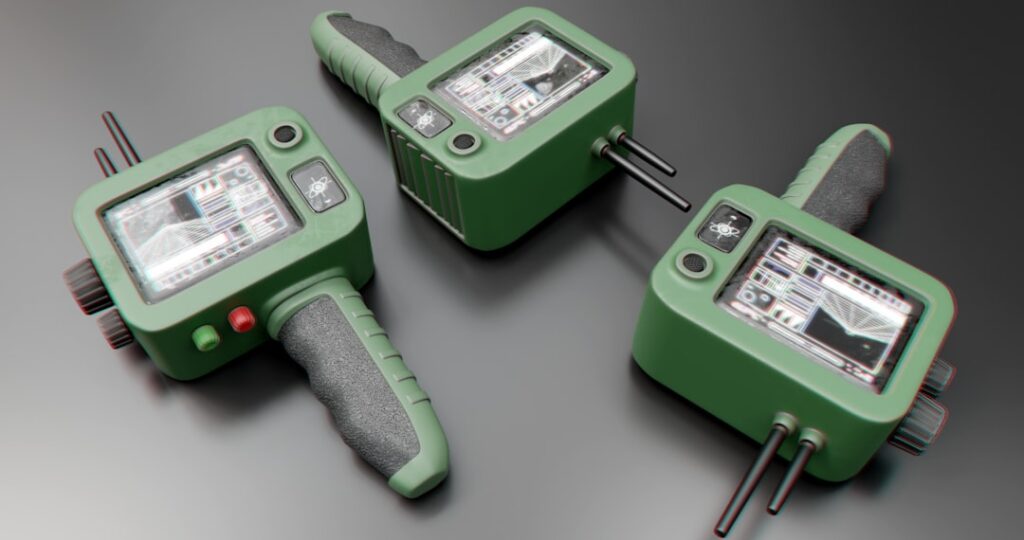
A radon detector kit, in the way the term is most commonly used in 2026, refers to a continuous radon monitor — an electronic device that measures indoor radon concentration continuously and reports hourly readings, daily averages, and longer-term trends. This guide summarizes EPA, CDC, and CDPHE guidance current as of 2026 — consult a certified radon professional for testing decisions on your property. The detector kit framing emphasizes the continuous-monitoring nature of these devices, distinguishing them from short-term test kits like charcoal canisters that produce a single average reading after a 48-to-96-hour exposure period.
What a Radon Detector Kit Actually Is
A radon detector kit in the continuous-monitor sense is a self-contained electronic device that pulls indoor air across a sensing chamber, detects alpha-particle emissions from radon decay events within the chamber, and converts the count rate into a radon concentration reading expressed in picocuries per liter (pCi/L) or becquerels per cubic meter (Bq/m³). The device displays current readings on its built-in screen and typically transmits hourly data to a smartphone or web application for trend analysis.
The leading consumer brands in 2026 include AirThings (Wave Plus, View Radon, View Plus models), RadonEye (RD200 and RD200P), Ecosense (RadonEye Plus2 successor models), and EcoQube. Prices range from $180 for entry-level consumer devices to $400 for higher-precision models with broader sensor integration (humidity, temperature, CO2). Professional EPA-listed continuous radon monitors used by inspection professionals run $1,000 to $3,500 and include more rigorous calibration documentation but use the same underlying detection principles. EPA radon measurement resources document the calibration framework.
How a Radon Detector Kit Differs From Short-Term Test Kits
Short-term test kits — charcoal canisters, electret ion chambers, alpha-track detectors used over 48 to 96 hours — produce a single average reading covering the exposure period. The homeowner sets the kit, leaves it for the prescribed duration, then mails it to an accredited laboratory which returns the result a week to two weeks later. The reading represents the average radon concentration during the exposure period only; it does not reveal time-of-day variation or seasonal patterns.
A continuous radon detector kit reports readings hourly and accumulates trend data over weeks and months. The homeowner sees patterns: morning peaks, evening lows, winter elevations, summer reductions. The continuous data informs both mitigation decisions and ongoing system verification after a mitigation system is installed. Continuous monitors also avoid the laboratory turnaround time — readings are visible in real time on the device or smartphone app. Our home radon test guide covers the trade-offs between testing approaches in more detail.
Positioning a Radon Detector Kit Correctly
EPA testing protocols recommend positioning measurement devices in the lowest occupied living level of the home, typically a basement or first-floor living area. The device should be placed at breathing height (roughly 3 to 6 feet above the floor), away from drafts (heating registers, exterior doors, windows), away from direct sunlight, and at least 12 inches from exterior walls. Continuous monitors are usually set on a shelf, side table, or wall-mounted bracket and left in place for ongoing monitoring.
The detector kit’s location matters because radon concentration varies through the building. Basements typically read highest because they are closest to soil and have the least ventilation. Upper floors read lower because the airflow path from soil to upper levels dilutes the concentration. A continuous monitor installed in a basement family room provides the most defensible reading for mitigation decisions. Some households install two monitors — one in the basement and one in the main living level — to track both the source-level and occupied-level concentrations simultaneously.
Reading the Data: What the Numbers Mean
EPA’s action level is 4 picocuries per liter (pCi/L) as a long-term average. Continuous monitor readings can be interpreted against this benchmark with appropriate context for time scale:
Below 2 pCi/L sustained average — low risk, mitigation generally not necessary. Periodic re-testing every 2 to 5 years confirms ongoing low levels. Between 2 and 4 pCi/L sustained — moderate risk, mitigation consideration warranted. The World Health Organization recommends mitigation above 2.7 pCi/L. Between 4 and 10 pCi/L sustained — elevated, EPA recommends mitigation. Most installations achieve substantial reduction in this range. Between 10 and 20 pCi/L sustained — high, mitigation recommended with priority. Above 20 pCi/L sustained — very high, mitigation urgent.
The “sustained” qualifier matters. A continuous monitor showing a single hourly spike to 8 pCi/L during a closed-up overnight period followed by a return to 3 pCi/L is different from a steady 8 pCi/L average over months. The 90-day moving average or longer time horizon should drive the decision, not a single peak reading.
Smartphone App Integration
Most consumer radon detector kits in 2026 pair with a smartphone application via Bluetooth or Wi-Fi. The app displays current readings, multi-day and multi-month trends, and often provides alerts when concentrations climb above user-defined thresholds. AirThings devices use the AirThings app; RadonEye and Ecosense devices use the Ecosense app; other brands use comparable software. App-based data export to CSV is common for households or inspection professionals who want to share readings with a mitigation contractor.
The app integration adds practical value beyond simple monitoring. A household that mitigates can use the app to confirm the system is working by watching the indoor radon level drop within hours of system commissioning. Periodic spike notifications alert the homeowner if the mitigation fan fails or if a foundation crack opens up. This ongoing verification is one of the strongest practical arguments for continuous monitoring over one-time short-term testing. Our radon machine in house piece covers how continuous monitors function in residential settings.
Comparing the Major Consumer Brands
AirThings Wave Plus and View Radon
AirThings Wave Plus is the longest-running consumer continuous radon monitor in the market. The device measures radon plus humidity, temperature, and air pressure, with optional CO2 and VOC sensors on higher-end models. App data is robust, exports are straightforward, and the company publishes calibration validation against EPA-listed reference instruments. Price runs $200 to $300 depending on model.
RadonEye RD200 and Successor Models
RadonEye uses a pulsed ionization chamber sensor with rapid response time — readings typically stabilize within hours rather than days. The smartphone app provides clear visualization of hourly, daily, and weekly trends. RadonEye is widely used by Korean and Asian markets and has substantial U.S. presence. Price runs $200 to $350.
Ecosense and EcoQube
Ecosense markets several models targeting consumer and small commercial use. EcoQube is a lower-priced entry option ($150 to $200) with limited sensor scope; higher-end Ecosense models compete directly with AirThings and RadonEye. Calibration documentation and app integration are comparable.
Battery Life, Power, and Maintenance
Consumer radon detector kits vary in their power requirements. AirThings Wave Plus runs on two AA batteries that typically last 16 to 18 months with normal use. RadonEye RD200 and most Ecosense models use AC power through a USB-C or barrel-jack adapter. Households deciding between battery and AC versions usually choose based on intended placement — basement finished areas often have nearby outlets while unfinished areas may not. Battery models can be placed anywhere but require periodic battery replacement.
Maintenance beyond batteries is minimal. The sensing chambers in consumer monitors do not require user cleaning or calibration. The internal calibration is set at the factory and typically remains stable for the device’s useful life of seven to ten years. Some manufacturers offer factory recalibration service for older devices at modest cost; most consumers simply replace the device after a decade. Periodic firmware updates push through the smartphone app and require user acceptance.
Accuracy and Confidence in the Reading
Consumer radon detector kits report accuracy specifications that vary by model and reading conditions. AirThings Wave Plus reports approximately 10 percent accuracy after a 7-day stabilization period. RadonEye RD200 reports faster stabilization (often within 60 minutes) and similar steady-state accuracy. The 10 to 15 percent uncertainty in consumer monitors is comparable to short-term test kit uncertainty and well within the precision needed to make EPA action-level mitigation decisions.
Higher precision is available from professional EPA-listed instruments used by inspection professionals during real estate transactions. These devices are calibrated annually against radon reference standards, produce more rigorous documentation, and are recognized by lenders and home buyers for the diligence period. Consumer monitors are fine for ongoing household awareness; professional monitors are typical for the diligence-grade snapshot.
When a Radon Detector Kit Makes Sense Over a Short-Term Test
A continuous detector kit makes the most sense when the household plans long-term radon awareness rather than a one-time decision point. Front Range homeowners in Zone 1 typically benefit because their exposure profile varies seasonally and they want ongoing confirmation of indoor concentrations. Buyers in transactions where the radon contingency drives the decision often use short-term test kits because the timeline favors a 48-hour result over a 90-day continuous measurement.
After a mitigation system is installed, a continuous monitor is the most defensible tool for ongoing verification. The system’s manometer confirms airflow, but the only direct measurement of indoor radon is from a monitor. Many Front Range households install both — one short-term test for the post-mitigation clearance verification, then a continuous monitor for the multi-year ongoing assurance.
Multi-Sensor Devices vs Single-Purpose Monitors
Several consumer radon detector kits combine radon measurement with other indoor air quality sensors. AirThings View Plus, for example, measures radon plus humidity, temperature, particulate matter (PM2.5), CO2, and VOCs in a single unit. Whether the multi-sensor approach is worth the price premium depends on how the household uses the data. For a home with respiratory concerns, indoor humidity issues, or curiosity about air quality more broadly, the integrated device produces a more complete picture. For a household focused only on radon, the single-purpose device is less expensive and produces the same radon data.
Single-purpose RadonEye and Ecosense devices typically cost $180 to $280. Multi-sensor AirThings View Plus and View Radon devices cost $250 to $400. The extra $70 to $200 for multi-sensor capability is generally a sound investment for households who plan to engage with the data ongoing, and a marginal expense for households who will set the device and ignore it once levels are confirmed low.
Where to Source a Radon Detector Kit
Online direct from the manufacturer (airthings.com, radoneye.us, ecosense.io) is the most common purchase channel and typically offers the best support. Online retailers including specialty home-improvement and laboratory-supply sites carry the leading brands at comparable pricing. Local home-improvement chains in larger metros sometimes stock entry-level models. Inspection professionals often resell professional-grade EPA-listed devices to clients who want post-mitigation verification at home; the pricing on these is higher but the calibration documentation is more rigorous.
References
- EPA Radon Measurement Guidance — U.S. Environmental Protection Agency
- CDC Radon Information — Centers for Disease Control and Prevention
- CDPHE Radon Program — Colorado Department of Public Health and Environment
- American Lung Association Radon Resources — American Lung Association
Front Range homeowners ready to test, monitor, or mitigate radon can contact us through our page to connect with a vetted local radon professional.
Radon test kits we recommend
Short-term charcoal kits are the cheapest way to get a first reading; mail the canister to the lab and results come back in days.
| Product | Why | Buy |
|---|---|---|
 AirChek Charcoal Radon Test Kit AirChek Charcoal Radon Test Kit | Lab fee usually included; EPA short-term protocol. | Amazon — $21.95 |
 First Alert RD1 Radon Test Kit First Alert RD1 Radon Test Kit | Widely stocked; 48-hour charcoal test. | Amazon — $17.95 |
| Health Metric Radon Test Kit | Two-pack option for closed-house testing. | Amazon — $17.95 |