Mold Repellent: Coatings, Encapsulants, Reality
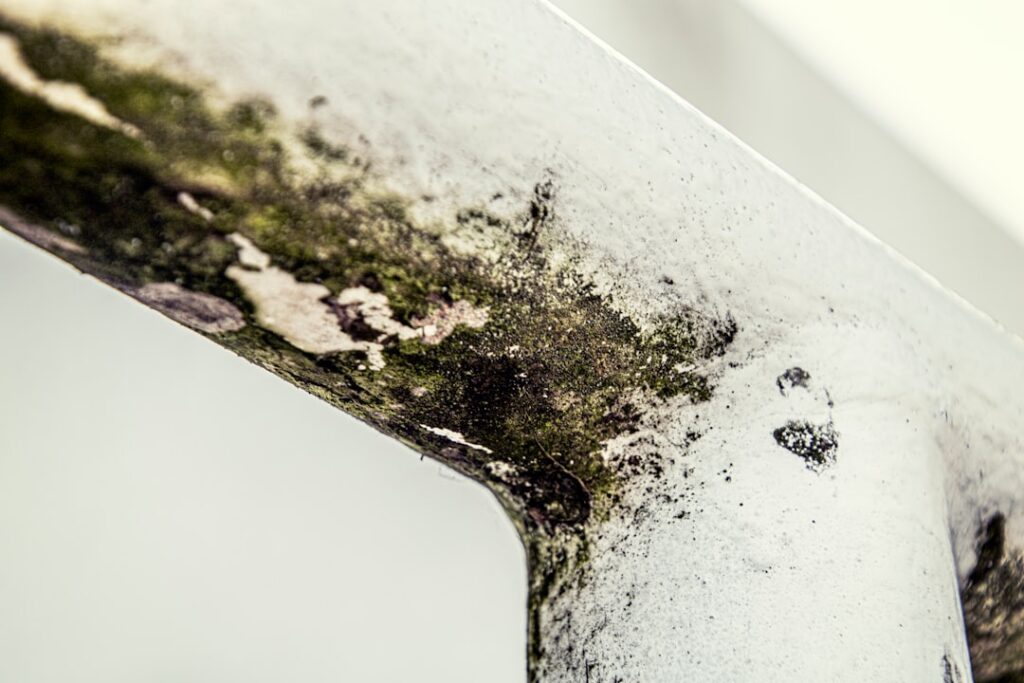
The idea of a mold repellent is appealing: spray or paint something on a surface and never worry about mold again. Real products that aim at prevention do exist, from mold-resistant coatings to encapsulants, but they work within limits that the marketing rarely spells out. Understanding what these products can and cannot do keeps homeowners from trusting a coating to fix a moisture problem it was never designed to solve. This guide summarizes EPA and CDC guidance current as of 2026 and is for general education only; consult your physician about health symptoms and a certified professional for active growth.
Is this mold, asbestos, or water damage? Get a free instant screen
Upload a clear photo of the suspect area. You'll get an instant AI screening opinion and what to do next. This is screening guidance, not a professional determination.
Screening guidance only. AI can be wrong. Confirm asbestos, mold type, or lead with lab testing or a licensed professional before acting.
What a mold repellent is and is not
There is no product that repels mold the way an insect repellent wards off mosquitoes. What the market calls mold repellents are really preventive treatments: coatings and additives that make a surface less hospitable to growth. They slow colonization on a treated surface, but none of them removes the underlying requirement that mold needs water.
The EPA’s prevention message is consistent and unglamorous: control moisture and you control mold. A repellent product is a supplement to moisture control, never a substitute. Applied to a chronically wet surface, even the best coating eventually fails, because the conditions overwhelm it. Applied to a properly dried and moisture-managed surface, it adds a useful margin.
Mold-resistant coatings and paints
The most common preventive product is paint or primer containing an antimicrobial additive. These coatings carry a treated-article or, where they make a pesticidal claim, an EPA registration, and they resist mold growth on the film of paint itself. They suit bathrooms, basements, laundry rooms, and other humidity-prone spaces.
The key limitation is that the antimicrobial protects the paint film, not the wall behind it. If moisture gets into the drywall, mold can grow on the back of the surface or within the material while the painted face looks clean. Coatings buy time and reduce surface colonization in damp rooms; they do not waterproof a wall or compensate for a leak. Apply them to clean, dry, sound surfaces for the intended effect.
Encapsulants and how they differ
Encapsulants are thicker, film-forming products used mostly after remediation. Once contaminated material has been cleaned or removed and the area dried, an encapsulant seals the surface, locking down any residual particulate and creating a treated barrier. They are common on framing, joists, and masonry in basements and crawl spaces.
Encapsulation is not a shortcut around removal. The EPA position is clear that mold-contaminated porous material generally must be removed, not painted over. Encapsulating live growth or contaminated drywall traps the problem rather than solving it; when moisture returns, growth continues under the coating. Used correctly, on a cleaned and dried substrate, an encapsulant is a finishing step, not a remediation method.
Where preventive products genuinely help
These products earn their place in specific spots. Crawl space framing and basement masonry that have been cleaned and dried benefit from an encapsulant as a sealing layer. Bathroom and laundry walls in humid homes do better with a mold-resistant paint. New construction and renovations can specify mold-resistant drywall and treated lumber in wet areas from the start, which is far more effective than treating a problem later. The broader context of which products fit which jobs appears in this overview of mold removal products and how to choose one.
The moisture-control reality
Every prevention strategy circles back to water. The EPA recommends keeping indoor relative humidity below roughly 50 percent, fixing leaks promptly, drying any wet material within 24 to 48 hours, venting bathrooms and kitchens to the outside, and directing water away from the foundation. These steps prevent more mold than any coating.
On the Front Range, the moisture picture has local quirks. Finished basements sit against cool foundation walls that invite condensation, swamp coolers raise indoor humidity in summer, and ice dams on north-facing roofs push meltwater into walls. A homeowner who addresses grading, gutters, ventilation, and humidity has done the real prevention work; a repellent coating is the final layer on top of that, not the first line. The mold inspection and testing hub ties these moisture sources to inspection and prevention planning.
Mold-resistant building materials
The most effective form of mold prevention is built in, not sprayed on. During construction or renovation, specifying mold-resistant materials in wet areas heads off problems before they start. Mold-resistant drywall, often called paperless or fiberglass-faced board, replaces the paper facing that ordinary drywall offers as a food source. It costs more, but in a bathroom, basement, or laundry wall it removes a key vulnerability.
Other built-in choices help as well. Treated lumber resists decay and growth in framing exposed to moisture. Closed-cell insulation does not absorb and hold water the way some fibrous insulation does. Cement board, rather than drywall, behind tile in showers removes a major mildew reservoir. These choices are far more durable than any topical repellent because they address the material itself rather than coating a vulnerable substrate.
For homeowners not building from scratch, the lesson translates into renovation decisions. When a moldy bathroom wall comes out, replacing it with mold-resistant board and cement backer is a one-time upgrade that outperforms repeated coating of conventional materials. The mold inspection and testing hub connects these material choices to the moisture-source diagnosis that should guide them.
Comparing repellent products honestly
The market blurs the lines between products, so a clear comparison helps. Mold-resistant paints protect the paint film and suit finished, occupied rooms with elevated humidity. Encapsulants form a thicker sealing layer and belong on cleaned structural surfaces like framing and masonry after remediation. Antimicrobial additives mixed into other coatings extend resistance but follow the same rule: they protect what they coat, not the material behind it.
Claims deserve scrutiny. A product promising to “prevent mold permanently” is overstating, because no coating outlasts a chronic moisture problem. A product making a pesticidal prevention claim must carry an EPA registration number, while one marketed only as mold-resistant may rely on a treated-article exemption. Reading which kind of claim a product makes, and matching it to where you intend to use it, prevents paying premium prices for protection that does not fit the situation.
Cost-effectiveness comes down to placement. A modest investment in mold-resistant paint for a humid bathroom is sensible. A whole-house application of expensive antimicrobial coating, while the underlying humidity and drainage go unaddressed, spends money in the wrong place. The product is the last layer; the moisture work is the foundation that makes it worthwhile.
Applying preventive products correctly
Surface preparation determines the result. Clean and dry the surface fully before applying any coating or encapsulant; sealing a damp or dirty surface guarantees failure. Read the label for the required ambient conditions, since many products need a temperature and humidity window to cure properly.
Protect yourself during application. Even low-toxicity coatings call for ventilation and a respirator while spraying. Follow the recoat times so the film builds to its intended thickness. And keep expectations honest: a treated surface is more resistant, not immune. Inspect treated areas periodically, especially after any water event.
Humidity control as the true repellent
If any single measure deserves the name “mold repellent,” it is humidity control, because it removes the condition mold cannot grow without. A dehumidifier sized to the space, kept at a setting that holds relative humidity below roughly 50 percent, denies mold the water it needs across an entire room rather than one treated surface. In a damp Front Range basement, a dehumidifier often prevents more mold than any coating ever could.
Ventilation is the partner to dehumidification. Bathroom and kitchen exhaust fans that vent fully outdoors carry moisture out before it settles on cool surfaces. A dryer ducted properly to the exterior keeps humid air out of the laundry room. Fresh-air exchange in tightly sealed modern homes prevents the moisture buildup that energy-efficient construction can otherwise trap. These systems work continuously, unlike a coating that simply sits on a wall.
Drainage and the building envelope complete the picture. Gutters that carry roof water away, grading that slopes from the foundation, and prompt repair of leaks all stop water before it reaches the surfaces a repellent would protect. A homeowner who treats humidity, ventilation, and drainage as the primary defense, with coatings as a final accent, has built a real repellent system. Reversing that priority, relying on a sprayed product while moisture goes unmanaged, is the mistake the product marketing quietly encourages.
When prevention is not the right tool yet
If you already have active mold, prevention products are premature. You cannot repel growth that is already there; that requires cleanup or, for porous materials, removal. Painting a mold-resistant coating over existing growth seals a problem inside the wall. Address the active mold and the moisture source first, then consider a preventive treatment as the last step.
For widespread growth, hidden contamination, or a chronic moisture problem you cannot identify, a professional assessment comes before any product decision. An inspector who is independent of remediation sales can tell you whether your situation calls for cleanup, removal, drainage work, or simply better humidity control, so the eventual coating goes on a surface that will stay dry. That sequence matters: a preventive product applied before the underlying problem is solved simply seals trouble in place, while the same product applied after a proper repair becomes a genuine asset that extends the life of the work you have already done.
Targeting the spots most worth treating
Preventive products give the best return when applied where mold actually tends to start, rather than blanketed across a whole house. In most homes a handful of locations account for the majority of recurring growth: shower and tub surrounds, bathroom ceilings above the shower, the wall behind a toilet tank, under-sink cabinet interiors, basement masonry and framing, and closet walls on cool exterior sides.
Concentrating effort on those spots is both cheaper and more effective than a uniform application. A mold-resistant paint on a humid bathroom wall, cement board behind shower tile, and an encapsulant on cleaned crawl space framing each target a genuine vulnerability. Spending the same budget spreading a thin coat over dry, well-ventilated rooms that never grow mold accomplishes little.
This targeted approach pairs naturally with the moisture work. The same spots that benefit from a preventive coating are usually the ones with a moisture issue worth correcting, so addressing the dampness and applying the product go hand in hand. Treating the high-risk locations thoroughly, while leaving low-risk areas to good ventilation and humidity control, is the practical way to use repellent products well.
References
- A Brief Guide to Mold, Moisture and Your Home — U.S. Environmental Protection Agency
- Mold Cleanup in Your Home — U.S. Environmental Protection Agency
- About Mold and Your Health — Centers for Disease Control and Prevention
If you want a Front Range inspector to confirm a surface is truly dry before you seal or coat it, you can reach a vetted professional through our contact page.