Lead Testing in Loveland, Colorado
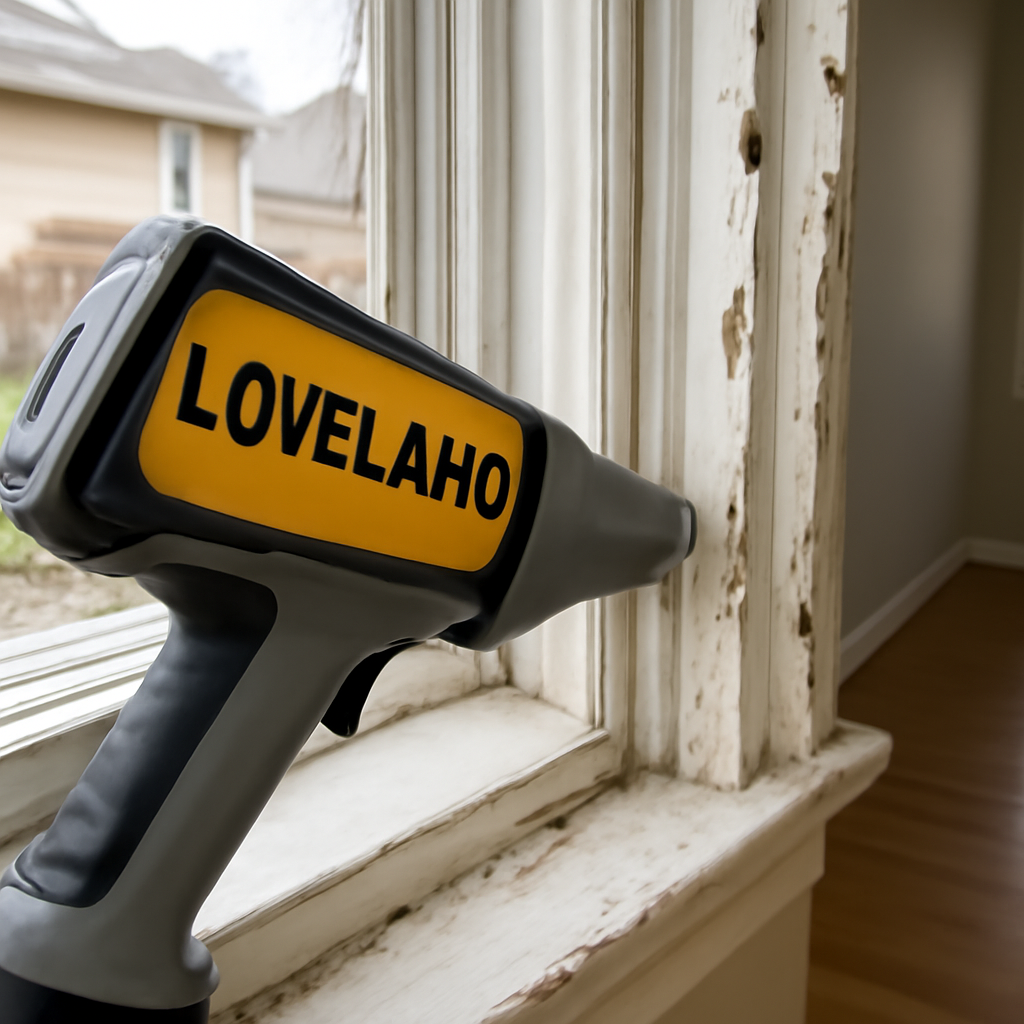
Lead testing in Loveland determines whether a home contains lead-based paint or lead hazards, a concern centered on pre-1978 housing. Loveland’s Downtown and Old Town districts hold many homes from before the 1978 federal ban on lead paint in residential use, while the city’s newer east-side growth carries little risk. Lead exposure is especially harmful to young children and pregnant women, even at low levels. This page explains what lead testing loveland homeowners should expect, why local housing raises the concern, what testing covers, costs, and the federal rules that apply. This summary reflects EPA, HUD, and CDC guidance current as of 2026; consult your physician for blood-lead concerns and a certified professional for testing and abatement.
Asbestos or biohazard concern? Speak with a certified contractor.
📞 Call (877) 742-8496Lead testing in Loveland: what to know
Lead testing checks for lead-based paint and lead-contaminated dust or soil. The federal government banned lead-based paint for residential use in 1978, so homes built before then are the focus. Two main methods are used: XRF (X-ray fluorescence) analysis, which a certified inspector uses to read lead content in painted surfaces without damaging them, and dust-wipe or paint-chip sampling sent to an accredited lab. A risk assessment goes further, identifying not just where lead is but where it poses an active hazard.
Intact lead paint is generally lower-risk; the danger comes from deteriorating paint, friction surfaces, and the dust created when old paint is disturbed. For how lead and asbestos cluster in the same older homes, our guide to asbestos and lead in pre-1978 housing covers both hazards, and pairing lead testing with asbestos testing in Loveland addresses the full pre-1978 picture in one visit.
The practical trigger is disturbance. Lead-based paint behind layers of newer paint on an undisturbed wall is far less hazardous than the same paint on a window that opens and closes daily, grinding paint into dust, or paint about to be sanded in a remodel. That is why testing matters most before renovating an older Loveland home, and especially before a young child or pregnant woman moves into a pre-1978 property.
Why Loveland homes may contain lead paint
Housing era drives the risk. Loveland’s Downtown and Old Town districts contain many pre-1978 homes, the vintage where lead-based paint was standard on interior and exterior surfaces, trim, windows, doors, and porches. The older the home, the higher the likelihood and typically the higher the lead concentration in the paint, so an Old Town bungalow warrants testing in a way a new Centerra build does not.
Loveland’s older-home culture raises exposure odds. Old Town homes are popular for renovation, and the friction surfaces in these houses, double-hung windows, doors, stair treads, and painted porches, are exactly where lead paint wears into dust over decades. A family updating an older home, or a child living in one with original windows, faces the most realistic exposure pathway: lead dust from deteriorating or disturbed paint settling on floors and sills where small children touch and mouth surfaces.
The renovation and flood history compound it. Loveland’s 2013 Big Thompson flood damaged older homes, and the repair work, removing and replacing wet trim, drywall, and flooring in pre-1978 houses, can disturb lead paint and spread dust if done without lead-safe practices. Newer east-side developments around Centerra, Seven Lakes, and The Lakes at Centerra carry essentially no lead-paint risk, which is why testing demand here clusters tightly in the historic core and along the older river-adjacent neighborhoods.
What a Loveland lead test covers
Lead assessment ranges from a quick surface screen to a full risk assessment, depending on what the homeowner needs.
XRF inspection and lab sampling
A certified inspector uses an XRF analyzer to read lead content in painted surfaces throughout the home without damaging them, identifying which components contain lead-based paint. Where XRF is impractical, paint-chip samples go to an accredited lab. Together these answer where lead-based paint is present in the home.
Dust-wipe sampling and risk assessment
Dust-wipe samples from floors, window sills, and window wells measure lead-contaminated dust, the most common childhood exposure pathway, against federal hazard standards. A full risk assessment combines paint, dust, and sometimes soil results to identify active hazards and recommend controls, which is the right scope for a family with young children moving into a pre-1978 Old Town home.
Lead testing cost in Loveland
Lead testing costs in the Loveland market vary by method. A do-it-yourself swab kit costs only a few dollars but gives a presence/absence screen, not a quantified or reliable result. A handful of paint-chip or dust-wipe lab samples typically runs about $25 to $75 per sample plus collection.
A professional XRF inspection or a full risk assessment for a home generally runs about $300 to $700 or more, scaling with home size and the number of surfaces and rooms evaluated. For a buyer or a family with young children, the risk assessment is the worthwhile spend because it identifies active hazards and tells you what actually needs to be addressed, not just where lead exists.
Against the stakes, testing is inexpensive. Childhood lead exposure can cause lasting developmental harm, and there is no safe blood-lead level, so confirming whether an Old Town home’s window dust contains lead before a toddler crawls on the floor is a small price for real protection. Testing also guides lead-safe renovation, ensuring disturbed paint is contained rather than sanded into household dust.
Federal regulations and disclosure
Federal law governs lead more directly than many home hazards. The Real Estate Disclosure Rule requires sellers and landlords of pre-1978 housing to disclose known lead-based paint and hazards and to provide the EPA’s lead pamphlet, and buyers get a 10-day window to conduct a lead inspection or risk assessment. For a pre-1978 Loveland home, that disclosure and inspection window are rights a buyer should use, not waive.
Renovation is regulated too. The EPA’s Renovation, Repair, and Painting (RRP) Rule requires contractors disturbing paint in pre-1978 homes, child-occupied facilities, and similar to be certified and to follow lead-safe work practices. A Loveland homeowner hiring out a remodel on an Old Town home should confirm the contractor is RRP-certified, and one doing the work themselves should follow lead-safe containment and cleanup methods rather than dry-sanding old paint.
Neighborhoods and areas served
Lead testing concentrates in Loveland’s older housing: Downtown and Old Town, where pre-1978 homes are common, and the river-adjacent west side where flood-repaired older homes add reason to check. Mariana Butte’s mix and any pre-1978 pockets warrant a look, while newer developments at Centerra, The Lakes at Centerra, and Seven Lakes carry essentially no lead-paint risk.
Service typically extends to adjacent Fort Collins, Berthoud, Windsor, and Johnstown, each with its own historic core of pre-1978 housing carrying the same lead profile. A family moving into an Old Town Loveland home and one buying an older house in downtown Fort Collins share the same priority: test for lead before renovating or before young children occupy the home.
How to choose a Loveland lead testing provider
Choose an EPA- or state-certified lead inspector or risk assessor who uses calibrated XRF equipment and an accredited lab, and who can perform a full risk assessment rather than just a presence screen. For a family with young children, the risk assessment is the standard because it identifies active hazards, deteriorating paint, lead dust on floors and sills, that actually drive exposure.
Confirm the provider understands the federal disclosure timeline and RRP rule, since a competent assessor can advise you on your 10-day inspection window as a buyer and on lead-safe renovation as an owner. Keeping testing independent of any abatement work avoids the incentive to over-report, and for confirmed hazards you will want a certified lead abatement or RRP-certified contractor to do the controls.
Expect a clear report identifying which components contain lead-based paint, dust-wipe results against federal standards, identified hazards, and a proportionate plan, intact paint left in place and monitored, deteriorating paint and dust addressed under lead-safe practices. A provider who distinguishes low-risk intact paint from genuine dust hazards, rather than alarming you over every painted surface in an old home, is the one to hire.
References
- Protect your family from sources of lead — U.S. Environmental Protection Agency
- Lead-based paint in housing — U.S. Department of Housing and Urban Development
- Childhood lead exposure and health — Centers for Disease Control and Prevention
- Lead Renovation, Repair and Painting Rule — U.S. Environmental Protection Agency
Buying or renovating a pre-1978 home in Old Town or the older parts of Loveland? Reach out through our contact page to connect with a vetted local professional who can test for lead before your children move in or your remodel begins.