Lead Paint Test Kits: What Homeowners Need to Know
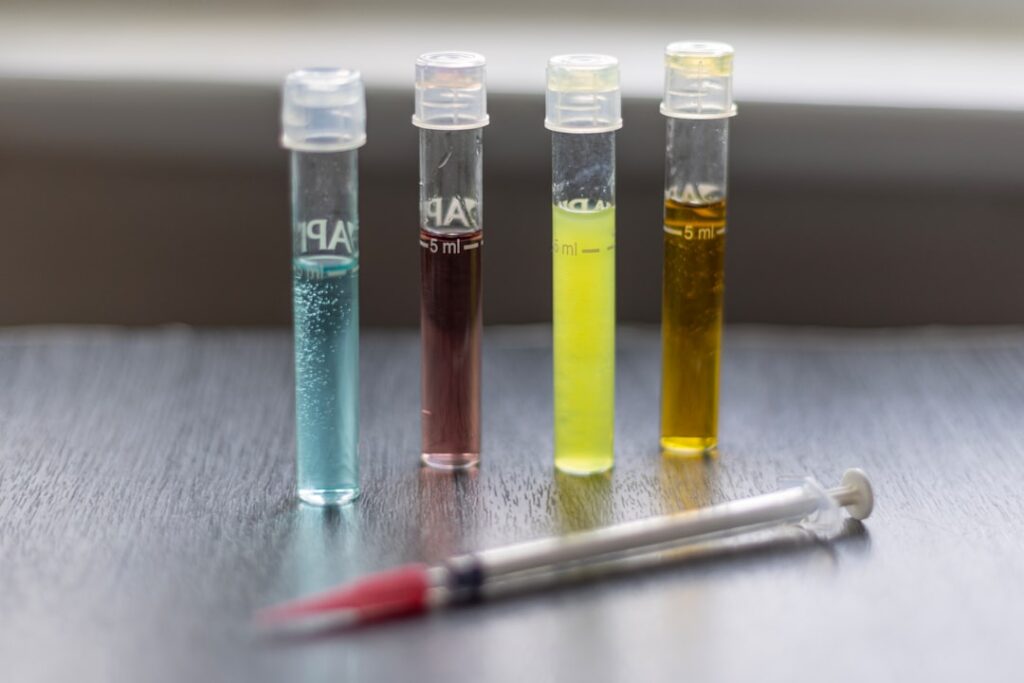
Lead paint test kits are designed for one specific job: screening painted surfaces in pre-1978 housing to check for lead-based paint before a renovation, repair, or paint job. They produce a qualitative positive/negative result in under three minutes, which makes them a useful first step before scheduling a certified inspection or hiring an EPA RRP-certified contractor. They are not, however, a substitute for X-ray fluorescence (XRF) testing or laboratory paint chip analysis when legal clearance or pre-purchase due diligence is on the line. This guide summarizes EPA, CDC, and HUD guidance current as of 2026 on which kits are recognized, how to use them correctly, and where their limits sit. For exposure concerns, see your child’s pediatrician — a blood lead level (BLL) test is the diagnostic. Our editorial methodology explains the sources and limits of this guide.
Is this mold, asbestos, or water damage? Get a free instant screen
Upload a clear photo of the suspect area. You'll get an instant AI screening opinion and what to do next. This is screening guidance, not a professional determination.
Screening guidance only. AI can be wrong. Confirm asbestos, mold type, or lead with lab testing or a licensed professional before acting.
What Are Lead Paint Test Kits?
Lead paint test kits use colorimetric chemistry to detect lead in a painted surface. The most common chemistry is sodium rhodizonate, which produces a pink-to-red color when it binds with lead ions. The user scratches through every paint layer down to substrate, applies the activated reagent, and reads the color change against a confirmation card.
EPA recognizes two paint test kits for specific substrates: 3M LeadCheck and D-Lead. Recognition means EPA has evaluated the kit’s performance and confirmed it produces reliable qualitative results on the recognized substrates. Other kits sold at retailers may work in practice, but only the recognized ones can be referenced under EPA’s RRP rule for renovation decisions.
EPA-Recognized Lead Paint Test Kits
3M LeadCheck
The most widely available consumer kit. EPA-recognized for wood, ferrous metal (iron and steel), and drywall or plaster. Detection threshold roughly 0.5 to 1.0 mg/cm² and above. Price: $15 to $35 for a multi-swab pack at most hardware retailers. Read time: 30 seconds to 2 minutes. The kit includes a confirmation card; if the card doesn’t activate, the reagent has expired or wasn’t properly mixed.
D-Lead
EPA-recognized for wood and drywall or plaster. Two-part chemistry with a separate confirmation reagent. Price range similar to 3M LeadCheck. Available through industrial suppliers and online; less common at mass retailers.
How to Use a Lead Paint Test Kit Correctly
User error is the most common cause of misleading results. The protocol:
- Identify the surface. Friction points (window sashes, door frames, stair treads) and deteriorated paint are highest priority.
- Scratch through all layers. Use a utility knife to expose every paint layer down to substrate. A common error is scratching only the topcoat.
- Activate the swab. Crush both internal capsules per the kit’s instructions to mix the reagent.
- Apply to the freshly exposed surface. Rub the swab against the scratch for 30 seconds.
- Wait the full read time. Color change may take up to 2 minutes.
- Verify with the confirmation card. The kit includes a small chip of known-positive material. Verify the reagent is active by testing the confirmation card.
- Repeat on representative surfaces. One swab is one data point. Test every suspect surface.
For renovation-scale decisions, run the test on at least three representative surfaces in each room before concluding the room is lead-free.
What Lead Paint Test Kits Detect — and What They Miss
EPA-recognized kits respond reliably to lead-based paint at concentrations above roughly 0.5 to 1.0 mg/cm² on the recognized substrates. That’s a useful threshold because federal rules define a lead-based paint surface at 1.0 mg/cm² (XRF) or 0.5% by weight (lab analysis). The kits are calibrated near the regulatory threshold.
What they miss:
- Subsurface layers if not scratched deeply enough. The single biggest source of false negatives.
- Lead just below the detection threshold. A surface at 0.3 to 0.5 mg/cm² may not trigger a color change, even though the lead concentration is real.
- Unrecognized substrates. Brick, concrete, glazed surfaces — performance is less reliable.
- Quantitative measurement. Positive or negative only — the kit can’t tell you whether the surface is just above threshold or far above.
For situations where quantitative measurement matters — comparing two surfaces, prioritizing remediation, documenting clearance — XRF or laboratory paint chip analysis is required.
When DIY Kits Are Appropriate
Three scenarios where DIY kits are the right tool:
1. Pre-Renovation Screening on a Single Surface
Before sanding a window sash, refinishing a door, or scraping deteriorated trim, screen the surface with a recognized swab. A positive result triggers EPA RRP procedures (containment, lead-safe work practices, dust cleanup). A negative result, with the caveat that swabs can miss subsurface layers, suggests the work can proceed with standard care.
2. Personal Risk Awareness
A homeowner new to a pre-1978 home might use a multi-pack to spot-check window sashes, door frames, and any deteriorated areas to inform whether to schedule a full certified inspection.
3. Confirming Suspect Surfaces Before Sampling
A homeowner planning to send paint chips to a lab for definitive analysis can use a swab to identify which surfaces are highest-priority to sample.
When DIY Kits Are the Wrong Tool
- Pre-purchase due diligence. Hire a certified lead inspector or risk assessor.
- Major renovation in target housing. EPA RRP rule requires certified procedures.
- Child has elevated blood lead. A risk assessment with dust and soil sampling is the standard response.
- Federally-assisted housing or child-occupied facility. HUD lead-safe rules require certified inspection.
- Legal documentation needed. DIY results don’t constitute clearance under federal programs.
For comprehensive scope and certified-inspector workflow, the asbestos and lead pillar walks through the full pre-1978 housing testing framework, and the testing for lead paint guide covers professional methods in detail.
EPA RRP Rule and Why It Matters
The EPA Lead-Based Paint Renovation, Repair and Painting (RRP) Rule applies to firms performing renovation in pre-1978 target housing and child-occupied facilities. Covered firms must be EPA RRP-certified, individual renovators must complete EPA-approved training (an 8-hour initial course plus 4-hour refreshers every 5 years), and work must follow lead-safe practices: containment, dust minimization, prohibition of certain practices (open-flame burning, power sanding without HEPA attachment), and clearance verification.
For a homeowner doing their own renovation in their own home, RRP technically doesn’t apply — but the lead-safe practices it codifies are what protect children regardless of who’s wielding the sander. Following RRP-style containment and cleanup voluntarily is the right move in any pre-1978 housing renovation.
EPA Action Levels for Context
Knowing the regulatory thresholds helps interpret kit results:
- Paint surface: 1.0 mg/cm² (XRF) or 0.5% / 5,000 ppm (lab) — defines lead-based paint.
- Dust: 10 μg/ft² floors, 100 μg/ft² interior sills (EPA 2021 hazard standards).
- Soil: 200 ppm play areas, 400 ppm yards.
- Water: 15 ppb action level (Lead and Copper Rule).
- Blood lead in children: 3.5 μg/dL CDC reference value for public health follow-up. CDC framing: no safe blood lead level.
Colorado RRP Context
Colorado follows federal RRP rules. EPA RRP-certified firms must perform renovation in covered pre-1978 housing. CDPHE maintains guidance consistent with federal standards. Front Range pre-1978 housing inventory is substantial in older Denver neighborhoods (Park Hill, Five Points, Capitol Hill), Pueblo, central Colorado Springs, and Boulder’s older blocks — making lead paint screening a routine consideration before renovation.
Workflow for Pre-1978 Renovation Planning
- Identify every surface that will be disturbed in the renovation.
- Screen each suspect surface with an EPA-recognized swab kit.
- For positive results, hire an EPA RRP-certified contractor for that scope of work.
- For negative-but-uncertain results, consider a follow-up lab paint chip analysis on highest-priority surfaces.
- For comprehensive renovation, hire a certified lead inspector or risk assessor before scoping.
- For any household with children under 6 living in pre-1978 housing, talk to your pediatrician about whether blood lead level testing is appropriate.
References
- EPA recognized lead test kits — U.S. Environmental Protection Agency
- EPA Renovation, Repair and Painting (RRP) Program — U.S. Environmental Protection Agency
- CDC childhood lead poisoning prevention — Centers for Disease Control and Prevention
- HUD lead-safe housing program — U.S. Department of Housing and Urban Development
- National Lead Information Center — leadinfo.com
Front Range homeowners in pre-1978 housing planning a renovation and weighing DIY screening versus certified inspection can reach out through our contact page for a vetted local recommendation.
Lead paint test kits
Instant swab kits flag lead on painted surfaces in minutes — useful before a renovation in any pre-1978 home.
| Product | Why | Buy |
|---|---|---|
 3M LeadCheck Swabs 3M LeadCheck Swabs | EPA-recognized instant swabs. | Amazon — $208.00 |
 Lead Test Kit (lab-based) Lead Test Kit (lab-based) | Mail-in for a documented result. | Amazon — $35.00 |