Home Inspection Richardson: A 2026 Buyer Vetting Guide
Richardson sits in the Dallas-Fort Worth metroplex in Collin and Dallas counties, with housing stock that ranges from mid-century ranch homes built during the original Texas Instruments expansion era to recent infill construction along its commercial corridors. Home inspection Richardson as a search reflects buyers and homeowners working through purchase or maintenance decisions in this specific Texas suburb. This guide steps through what to look for in local inspector candidates, referencing the national ASHI and InterNACHI standards of practice that govern professional residential inspection regardless of jurisdiction.
The local housing context
Richardson’s housing stock divides into a few characteristic eras. Original-build ranch homes from the 1950s through the early 1970s — slab-on-grade construction with brick veneer over wood framing, original copper or galvanized supply plumbing in some homes, cast-iron drain lines in others. Mid-period homes from the 1970s through the 1990s — larger floor plans, hip and gable roof combinations, more diverse finish materials. Recent infill and replacement construction — modern framing, current energy code envelopes, current code plumbing and electrical.
Each era brings its own inspection focus. Older slab homes warrant careful attention to slab condition, plumbing under the slab, and any history of foundation movement. Mid-period homes are at the age where original roofs, water heaters, and HVAC systems have typically been replaced once or twice and the replacement quality matters. Newer construction has different concerns — workmanship variability and the typical first-year warranty items.
Texas-specific inspection context
Texas regulates home inspectors through the Texas Real Estate Commission. Licensure requires coursework, supervised inspections, a state exam, and continuing education. The state defines a Texas Real Estate Inspection report form that licensed inspectors complete during residential inspections. National association credentials from ASHI or InterNACHI supplement the state license — they are not a substitute for it in Texas.
For verifying a candidate’s standing, prospective clients can check directly with TREC and additionally cross-reference the inspector’s national association membership through the ASHI or InterNACHI directory. A reputable Richardson inspector typically holds both the state license and at least one national credential.
What to verify before hiring
State license status
Confirm the candidate holds a current Texas Real Estate Inspector license. License classes in Texas include Real Estate Inspector and Professional Real Estate Inspector — the latter requiring more experience and the ability to sponsor lower-level inspectors. Either is valid for residential inspection work.
National association credential
ASHI’s ACI credential or InterNACHI’s CPI credential indicates the inspector subscribes to a published code of ethics, completes continuing education beyond the state minimum, and maintains current standing in a peer organization. Verify through the association’s directory.
Insurance
General liability and errors-and-omissions coverage are standard for credible practitioners. Ask for current certificate copies — reputable inspectors provide them on request without hesitation.
Sample report
Texas inspections produce reports on a state-defined form, but the depth of supplementary documentation varies dramatically. Ask any candidate for a redacted sample report. Look for clear organization, extensive photo documentation, specific findings, and categorization by severity.
Experience with Richardson housing types
Ask about the candidate’s experience with the era of home you are buying. A new-construction-focused inspector handling a 1965 ranch home may miss issues familiar to an inspector who works that property type regularly.
Climate and weather factors specific to North Texas
Several climate and weather patterns produce inspection findings that are more common in Richardson and the broader DFW area than in many other regions.
Expansive clay soils
North Texas soils are notoriously expansive — they swell when wet and shrink when dry. Foundation movement on slab-on-grade homes is a regional concern. Look for evidence of past or current movement: stair-step cracking in brick veneer, doors and windows that bind, gaps at trim and baseboard, and any visible deflection on the slab surface. Inspectors familiar with the region typically address foundation findings carefully.
Hail damage
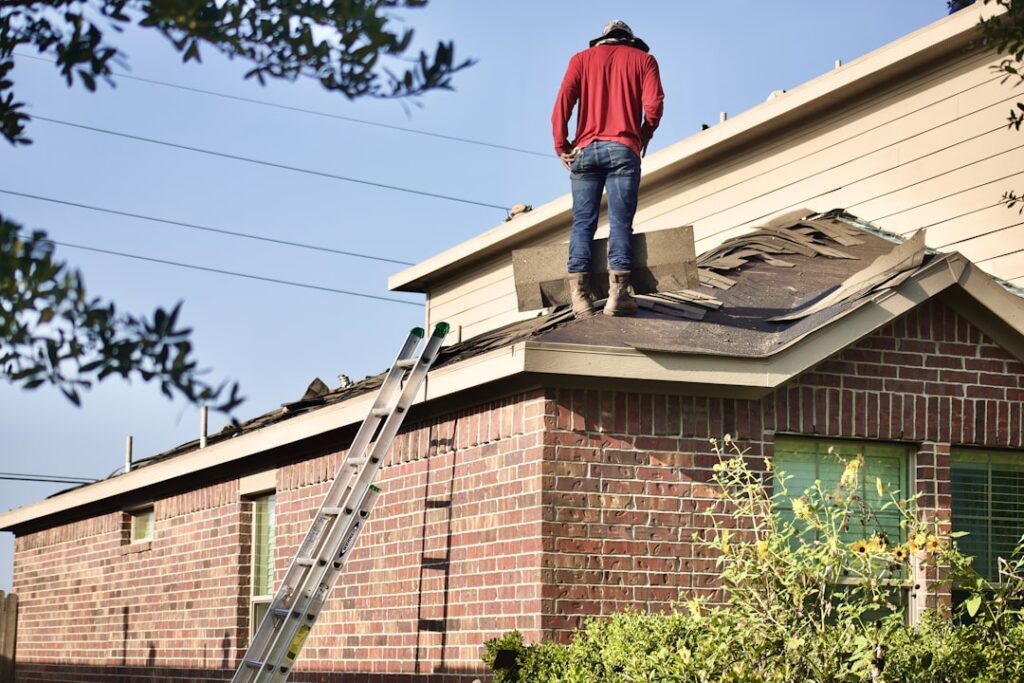
Severe spring storms regularly produce hail damage on North Texas roofs. Many Richardson homes have had roofs replaced multiple times over the decades. The inspection should evaluate current roof condition, age of the replacement, and any evidence of recent storm damage that may warrant an insurance claim.
HVAC sizing and condition
Texas cooling loads are significant. Undersized or aging HVAC equipment produces poor humidity control and excessive utility bills. The inspection covers system age, condition, and observed operating performance. Specialist HVAC evaluation is appropriate for borderline findings.
Plumbing under slab
Slab-on-grade construction places plumbing supply and drain lines under the slab. Detecting leaks is more difficult than in homes with crawl spaces or basements. Specialized testing — static testing or video inspection — is sometimes appropriate for older homes with original plumbing.
Termite activity
Texas has active subterranean termite populations. A separate Wood Destroying Insect Report from a licensed pest control operator is standard for real estate transactions in Texas — typically not part of the home inspection itself, but a parallel service to commission.
What the standard inspection covers
Following the Texas Real Estate Inspection Report form and the ASHI or InterNACHI standard of practice, a residential inspection covers structural systems, exterior, roofing, plumbing, electrical, heating, cooling, insulation and ventilation, interior, fireplaces, and any built-in appliances. The inspection is visual and non-destructive — the inspector reports observed conditions without invasive testing.
Items typically not covered in a standard residential inspection include mold sampling, radon testing, lead-based paint testing, asbestos identification, sewer scope, pool and spa equipment beyond basic safety items, and specialized appliance testing. Each of these can be commissioned as a separate service when warranted.
Common add-on services for Richardson buyers
Buyers in Richardson often add several services to the core inspection scope.
Wood destroying insect report
Performed by a licensed pest control operator. Standard for Texas real estate transactions.
Foundation engineering opinion
Warranted when the home inspection identifies signs of significant movement. A structural engineer assesses condition and reports findings in writing.
Sewer scope
Particularly relevant for older homes with original drain lines. Camera inspection of the lateral sewer line documents condition and identifies cracks, root intrusion, or collapse.
Pool inspection
Separate from the home inspection. Pool equipment, surface condition, and safety features evaluated by a pool specialist.
HVAC specialist evaluation
Warranted when the home inspection identifies system concerns. HVAC contractor evaluation provides more specific information on remaining service life and any major repairs needed.
Our broader hiring resources include home inspection cost Dallas for regional pricing context and the hiring process pillar for general candidate evaluation guidance.
Roof age and condition documentation
Richardson roofs see hail damage with enough frequency that buyers benefit from understanding the roof age and any history of insurance-funded replacement. The inspection report should document estimated remaining roof life and any visible storm damage. Buyers should also ask whether prior hail claims have been filed on the property — insurance carriers track this and the answer can affect future coverage availability and rates.
Where the inspection identifies meaningful storm damage or end-of-life roof condition, a roofing contractor’s estimate provides specific dollar context for negotiation. Some Richardson buyers have successfully negotiated roof replacement as a closing condition based on inspection findings. Others have accepted credits at closing in lieu of replacement and managed the project themselves. Either approach can work — the inspection report’s clarity on the condition supports the conversation.
Foundation watering and seasonal practices
North Texas homeowner practices around expansive soils include perimeter foundation watering during dry summers to maintain consistent soil moisture and reduce shrinkage-driven movement. The home inspection typically documents whether such practices appear to have been followed and the current evidence of soil contraction or expansion. New owners often inherit a watering routine from sellers that should be continued — abrupt changes in soil moisture management around a slab foundation can produce visible problems within months.
Inspectors familiar with the area often comment on foundation watering systems, soaker hose installations, and visible irrigation patterns around the perimeter. Buyers can ask sellers directly about their watering practices as part of the post-inspection conversation.
Pricing context
Home inspection pricing in the DFW market typically runs $400 to $700 for single-family residential properties under 3,000 square feet. Larger homes, older homes, and additional services scale upward. Add-on services typically add $100 to $400 each. The investment is a small fraction of the property purchase price — cutting corners here rarely pays off in the long run.
Inspection day expectations
A typical Richardson residential inspection runs two to four hours on-site, with the report delivered within 24 to 48 hours afterward. Many inspectors invite buyers to attend, walk through findings in real time, and discuss observations. Attendance gives buyers context that no written report fully conveys.
The Texas Real Estate Inspection Report form is the legally recognized document for the transaction. Supplementary photo documentation and any narrative additions are at the inspector’s discretion and the buyer’s preference. Reports vary substantially in supplementary content.
Using the report
The report drives negotiation. Significant findings — particularly safety items, structural concerns, and major system deficiencies — are reasonable points for buyer concession requests. Minor maintenance items are part of homeownership and rarely warrant reopening the deal. The line between the two is judgment-driven and varies by transaction.
Get specialist estimates on significant findings before any concession negotiation. The dollar value of an actual repair estimate is more useful in conversation than a general inspection note.
Red flags during vetting
Unwillingness to provide a sample report. No license verification information on the website. Refusal to provide insurance certificates. Pressure to schedule immediately. Bundled estimate offers for repair work the inspection might identify. Unusually low pricing significantly below regional averages.
Reputable Richardson inspectors handle each of these questions transparently. Treat the vetting conversation itself as part of the assessment.
References
- Standard of Practice — American Society of Home Inspectors
- Residential Standards of Practice — InterNACHI
- International Residential Code — International Code Council
- Home Energy Audits — U.S. Department of Energy