Home Inspection Near Me: Locate, Vet, and Schedule
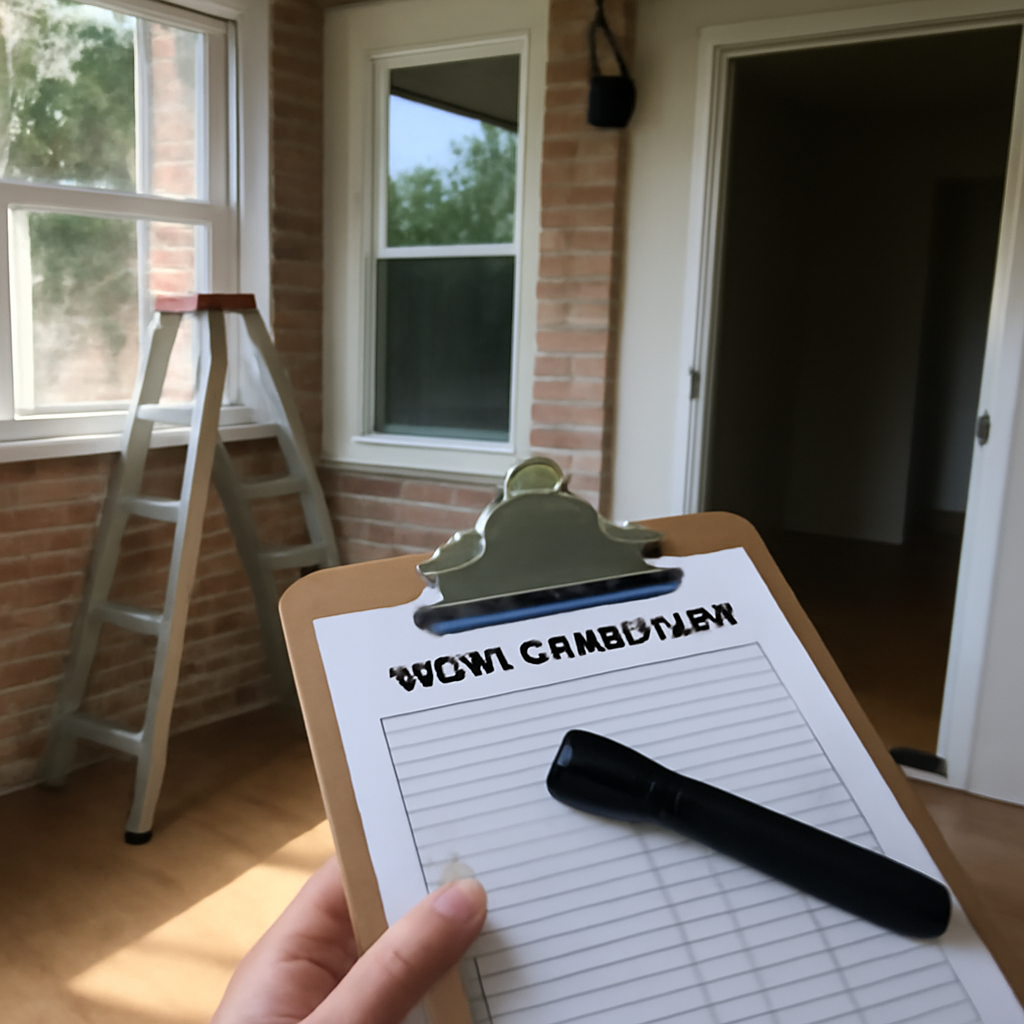
“Home inspection near me” is a service-shopping query — buyers want a process, not just a name. The right process is three phases: locate credible candidates, vet them against a clear filter set, and schedule with enough lead time to handle report turnaround and contract negotiation. Done in order, the process takes under two hours total and leaves a strong inspector matched to the property with days to spare on the contract timeline. Skipped phases — typically the vetting one — produce avoidable mid-deal stress.
Phase one: locate candidates
Three sources produce credible candidates. The ASHI find-an-inspector directory at homeinspector.org returns members within a search radius and confirms certification status. The InterNACHI member directory at nachi.org returns the same kind of list from the larger national member pool. Google Maps “home inspection near me” results round out the field with local-pack listings. Cross-reference the three lists to identify candidates appearing in multiple sources.
For Front Range buyers, the combined list typically runs 15-30 names in Denver metro and Boulder. Smaller counties — Elbert, parts of El Paso, Park, Clear Creek — return shorter lists and may require widening the search radius to 30-40 miles. The InterNACHI directory generally returns more results than ASHI because of larger national membership, but both should produce at least a handful of candidates in any populated county.
Phase two: vet against five filters
The five-filter framework — credentialing, E&O insurance, sample report quality, attendance policy, and reputation — is the same framework that powers our companion in-batch piece on home inspectors near me. Run each candidate through all five before scheduling.
Credentialing
Confirm ASHI or InterNACHI membership through the official directory rather than the inspector’s marketing page. The ASHI Code of Ethics and InterNACHI Standards of Practice are enforceable through each organization’s complaint process. Continuing education compliance is implicit in current membership status. Lapsed members do not appear in the directories. An inspector claiming credentials that don’t show up in the directory is either misrepresenting or has let membership expire.
E&O insurance
Request the current certificate of insurance. Coverage typically runs $300,000-$1,000,000 per claim. Colorado does not mandate E&O for home inspectors, but credible professionals carry it. The COI lists carrier, policy number, limits, and expiration. Verify the expiration is in the future. Consumer.ftc.gov guidance on hiring contractors describes insurance verification as standard practice.
Sample report
Ask for a redacted sample report from a recent inspection of a similar-size home. Strong samples are photo-rich, system-organized, and distinguish safety issues from cosmetic ones. They include specific recommendations rather than generic disclaimer-heavy text. The deliverable you receive will resemble the sample, so thin samples predict thin live reports.
Attendance policy
Confirm whether buyers can attend and whether the inspector runs a walk-through at the end. Front Range market norms favor attendance, and a credentialed inspector should welcome it. The walk-through is where ambiguous findings get clarified in real time.
Reputation
Look for patterns across Google, BBB, and trusted referral sources rather than individual reviews. Multiple complaints about missing the same defect type (HVAC, foundation, roof) suggest a real gap. Multiple positive mentions of clear communication suggest a reliable operator.
Phase three: schedule with proper lead time
Colorado real-estate contracts typically include a 10-15 day inspection objection period. The clock starts the day the contract is mutually executed. Working backward: the seller’s response to objections takes 3-5 days, the buyer’s objection submission takes 1-2 days, the report turnaround takes 1-3 days, the inspection itself runs 2-4 hours, and the inspector’s calendar may be booked 2-5 days out during peak season.
That arithmetic argues for booking the inspector within 24 hours of contract acceptance. During peak season — March through August on the Front Range — strong inspectors book up faster than buyers expect. Off-season scheduling is usually flexible. In all cases, communicate the contract deadline to the inspector so they understand the timeline.
What “near me” really covers in the Front Range
For Denver metro searches, “near me” typically returns inspectors within 10-20 miles. For Boulder and Broomfield, the radius is similar. For outlying counties like Elbert or southern El Paso, “near me” effectively widens to 30-40 miles because credentialed inspector density is lower. Travel fees apply beyond the inspector’s primary service area and typically run $50-$150 for distances of 20-50 miles.
Buyers in mountain communities — Park, Clear Creek, Gilpin — should expect either a higher travel fee or an inspector based further away. Front Range mountain construction (log homes, off-grid setups, stem-wall foundations) often requires specialty experience that not every inspector offers. Ask whether the inspector has experience with the specific construction type.
Specialty services worth scheduling alongside
Radon testing is the most common add-on for Front Range inspections. CDPHE designates Colorado as largely EPA Radon Zone 1, and roughly half of tested homes show levels above the EPA action level of 4 pCi/L. A radon test runs $125-$200 alongside the main inspection. Sewer scope ($200-$350) is highly recommended for homes over 25 years old. Thermal imaging ($100-$250) is worthwhile when moisture history is suspected.
Pre-1978 homes warrant a conversation about lead and asbestos. Both materials require certified labs for sample analysis and may require licensed pros for any abatement. The general home inspector cannot perform certified asbestos or lead testing in most states, but can flag suspect materials for follow-up by a certified inspector. Bundling specialties at booking captures discounts of $50-$150 versus hiring services separately.
Service-shopping mistakes to avoid
The most expensive shopping mistake is choosing the inspector your real estate agent recommends without independent vetting. Agent referrals can be excellent — the agent has worked with the inspector and knows the quality — or can be conflicted, where the agent steers buyers toward inspectors known for brief, deal-friendly reports. HUD homebuyer guidance flags the conflict explicitly. Treat agent referrals as one input among several.
The second mistake is choosing on price alone. The 15-25% spread across competing quotes is normal market variation. Choose the inspector with the strongest credential and report profile within that spread, not the cheapest absolute quote. Quotes below $300 for an average-size home reliably indicate corner-cutting. Our in-batch piece on affordable home inspectors covers the pricing logic in detail.
The third mistake is waiting too long to book. By day five of a fifteen-day inspection period, the calendar of credible inspectors is often full and the buyer is forced to accept a weaker candidate or extend the contract objection deadline. Front-loading the booking is free and removes the deadline risk.
The phone-call script
A 15-minute call covers the key items. Open with the property address, square footage, age, and special features (basement, crawl space, outbuildings). Ask about base pricing and what is included. Ask about add-on services. Confirm ASHI or InterNACHI credentialing. Request the E&O COI and a sample report by email. Confirm attendance policy and walk-through. Ask report turnaround time. Confirm availability against the contract deadline.
The candidate’s answers should be confident and detailed. Inspectors who hesitate on credentialing, refuse to share insurance documentation, or treat the questions as unusual are signaling a problem. Inspectors who answer every question and offer additional clarification are the right hires. The call itself filters more than any single online signal.
After the call: making the decision
After three calls, the choice is usually obvious. The candidate with the strongest credentialing, willing insurance and sample-report disclosure, friendliest attendance policy, and reasonable pricing is the answer. If two candidates tie, lean toward the one with the more detailed sample report — that document is what you are paying for, and quality there predicts the live deliverable.
Communicate the booking decision quickly. Email the chosen inspector with the property address, square footage, contract deadline, and any add-on services you want included. Decline the other candidates politely — they may be the right answer on a future purchase, and the inspector community is small enough that professional courtesy gets remembered.
For the broader hiring framework, see the parent hiring a home inspector guide. The same vetting logic applies to every variant of the “near me” search.
What happens during the inspection itself
A typical home inspection takes 2-4 hours for an average-size single-family home. The inspector examines roof, exterior, structure, foundation, attic, basement, crawl space (if accessible), electrical, plumbing, HVAC, interior, insulation, ventilation, and major appliances. ASHI and InterNACHI standards are explicit about scope and limitations. The inspection is visual and non-invasive — the inspector does not open walls, lift carpet, or perform destructive testing.
Buyers attending should shadow the inspector without crowding. Take notes. Ask clarifying questions. Take photos of items you want to remember. The end-of-inspection walk-through is when ambiguous findings get explained, and that is the highest-value 30-45 minutes of the entire process. Treat it as such.
Report review and follow-up planning
Reports typically arrive 1-3 days after the inspection. Strong reports separate items into safety hazards, major repair needs, deferred maintenance, and minor observations. Use the safety hazards and major repair items to build the inspection objection. Use the deferred maintenance for the buyer’s near-term budget. Use the minor observations as a homeowner reference document for the years after closing.
Plan follow-up specialist visits for any item the inspector flagged as needing further evaluation. HVAC tune-ups, plumbing scopes, and structural engineer visits typically cost $150-$500 each and clarify scope and cost before negotiation. Building the follow-up specialist costs into the budget is standard practice; surprise specialist costs after closing are the most common buyer complaint about general inspections.
References
- ASHI Standard of Practice — American Society of Home Inspectors
- InterNACHI Standards of Practice — International Association of Certified Home Inspectors
- Hiring a contractor — Federal Trade Commission
- Buying a home — U.S. Department of Housing and Urban Development
Buyers near a contract deadline in the Denver metro or Front Range can connect through our contact page for a fast introduction to credentialed local inspectors verified against the ASHI and InterNACHI directories.