Home Inspection Checklists: Types and Uses Overview
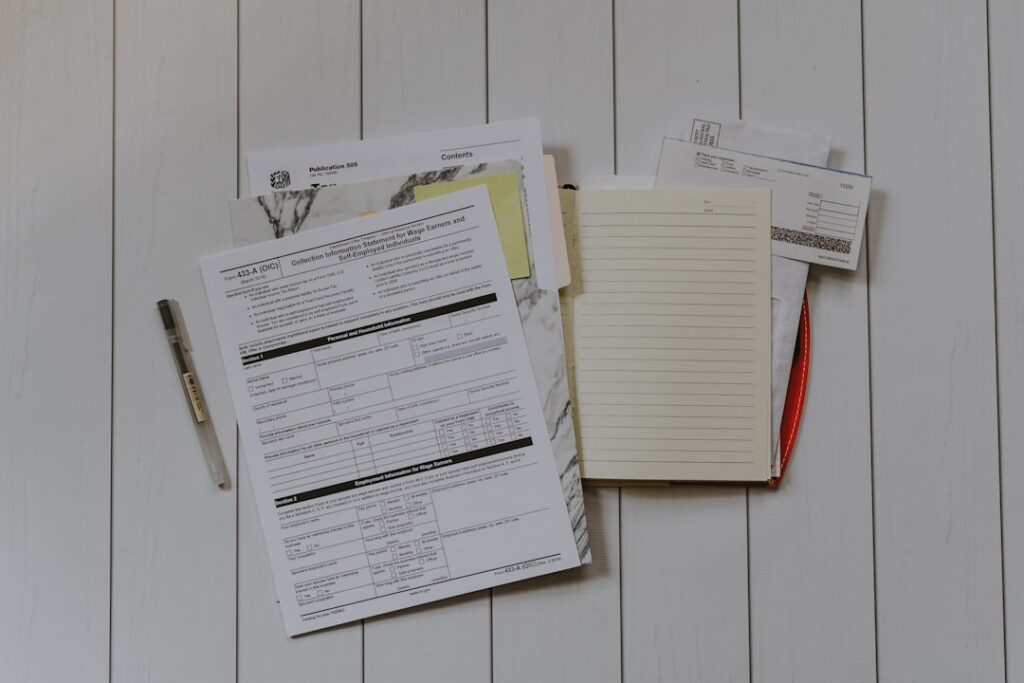
The phrase “home inspection checklist” is plural for a reason. A buyer’s pre-purchase checklist is not the same document as a seller’s pre-listing checklist, which is not the same as the homeowner’s annual maintenance sheet, which is not the same as the post-hailstorm assessment form. Each one serves a different audience, covers a different scope, and runs through different items. This survey walks through the six categories of home inspection checklists most homeowners will encounter, what each one is good for, and where to look when one of them lands in front of you.
Why There Are So Many Home Inspection Checklists
A checklist is a memory aid scoped to a moment. The moment shapes the contents. A buyer two weeks from closing needs to confirm major systems work, latent defects are surfaced, and safety issues are flagged. A homeowner doing fall maintenance needs to remember to flush the water heater and check the furnace filter. A condo board doing a common-element walkthrough is looking at very different items than a single-family annual checklist. The American Society of Home Inspectors and InterNACHI both publish standards-of-practice documents — those are the closest the industry has to a universal checklist, and they apply specifically to transactional pre-purchase inspections.
For the rest of the lifecycle of homeownership, the market has spawned an array of specialized forms. Knowing which one fits the situation saves time and produces better data. For the bigger picture on how inspections fit into a property purchase, the guide to hiring a home inspector covers the transactional side.
1. Pre-Purchase Inspection Checklists
This is the default form most people picture. It is the document a licensed home inspector uses on a property under contract, usually before the inspection-objection deadline. The scope follows ASHI or InterNACHI standards of practice. Major systems covered include the roof, exterior, structure, foundation, attic, insulation, ventilation, HVAC, plumbing, electrical, interior, appliances, and built-in safety items (smoke and CO alarms, GFCI/AFCI protection, stair railings).
Pre-purchase checklists run thirty to fifty pages when populated with photos and notes. The inspector fills it out; the buyer reads the resulting report. Buyers who want to follow along can use a parallel buyer’s printable checklist as a take-notes sheet during the walkthrough.
2. Pre-Listing Inspection Checklists
Sellers who want to head off surprises sometimes hire an inspector before the home hits the market. The form is identical in scope to a pre-purchase inspection — same ASHI standards — but the audience flips. Findings go to the seller, who can repair issues, disclose them, or price accordingly.
A pre-listing checklist tends to produce slightly different homeowner behavior than a pre-purchase one. The seller knows what is wrong before pricing the home, so the asking price can absorb known issues. The buyer’s later inspector typically still finds something, but the chance of major surprises drops. For a guide to preparing the home itself for an inspection (which is different from this checklist), see the preparation guide.
3. Annual Maintenance Checklists
This is the form a homeowner uses themselves, usually twice a year — once in spring, once in fall — to keep the property in good order. The scope is narrower than a transactional inspection but the cadence is higher. Items include filter changes, gutter cleaning, smoke-alarm battery checks, water-heater flushing, irrigation winterization, and tree-limb inspection.
Front Range homeowners have a few region-specific entries: pre-hail-season roof check, fall radon-system fan verification, snow-load roof-rake awareness, and expansive-soil moisture management around the foundation. The annual checklist is not produced by an inspector; it is produced by — or for — the owner.
4. Post-Disaster Assessment Checklists
After a hailstorm, wildfire-smoke event, flood, or earthquake (rare in Colorado but possible), specialized checklists drive a damage-survey walk-through. Insurance adjusters use their own internal versions; FEMA publishes versions for federally-declared disasters; the National Fire Protection Association maintains post-fire inspection guidance for property owners.
Items in a post-disaster checklist include: visible structural damage, water intrusion, smoke staining, soot deposition on HVAC components, roof shingle bruising, broken windows, downed branches, and any displaced structural members. The post-disaster form is action-oriented — each finding usually triggers a specialist call.
5. New-Construction Inspection Checklists
Buyers of newly-built homes often assume a builder-supplied home is move-in perfect. It is not. New construction has its own inspection cycle — typically a pre-drywall inspection (walls open, framing visible), a final-walkthrough inspection (everything finished), and an eleven-month warranty inspection (one month before the builder’s standard one-year warranty expires).
The scope leans on framing, rough-in plumbing and electrical, insulation placement, attic baffles, foundation backfill, drainage grading, and finish punch-list items. For more on this specific subtype, the new-construction checklist PDF guide in this batch walks through the cycle.
6. Condo and HOA-Scope Inspection Checklists
Condos and townhomes split inspection responsibility between the unit owner and the homeowners’ association. A condo inspection checklist limits scope to the interior of the unit, the in-unit appliances, plumbing fixtures (not lines past the unit wall), and the in-unit electrical (typically up to the breaker subpanel). Common-element items like the roof, exterior walls, parking structure, and shared mechanical rooms fall under the HOA’s reserve-study inspection cycle.
Buyers reviewing a condo should request the HOA’s most recent reserve study alongside the unit inspection. The two documents together describe the building’s condition; either one alone is incomplete.
Which Checklist Do You Need Right Now?
The trigger event tells you which form to reach for. Under contract on a single-family home? Pre-purchase inspection by a licensed inspector, plus a parallel buyer’s notes sheet. Selling? Pre-listing inspection. Spring or fall maintenance day? Annual checklist. Just survived a hailstorm? Post-disaster assessment. Buying new construction? New-construction inspection cycle. Buying a condo? Unit-scope checklist plus HOA reserve study.
For homeowners doing their own walk-throughs without an inspector, the self-inspection checklist guide is the entry-level template.
What All Home Inspection Checklists Have in Common
Despite the variation, every checklist shares three structural features. First, an item list scoped to the moment. Second, a notation column for findings (pass, fail, monitor, further evaluation needed). Third, a follow-up column for actions. The best checklists also include a photo-capture mechanism — a phone camera is sufficient — because words alone often fail to convey what a defect looks like.
A checklist that lacks the follow-up column becomes a museum piece. The point is not to assemble a record; the point is to drive action.
Where to Get Standardized Templates
InterNACHI and ASHI publish member-only inspection software platforms that include digital templates. Public templates exist on HUD’s homebuyer-education pages, the EPA’s IAQ resources, and many state real-estate-commission sites. For broader template overview, the checklist template guide walks through formatting principles.
How These Categories Will Likely Evolve
The industry is moving toward digital, photo-tied, GPS-stamped checklists synced to inspection-report platforms. Paper versions still serve well as printable scratch sheets during the walk, but the deliverable to the buyer is increasingly a hyperlinked PDF with embedded media. Across all six categories above, the underlying structure has remained stable for decades — what changes is the medium.
Insurance-Carrier Checklists
The general-purpose home inspection checklist is one document family. Insurance-carrier checklists are a separate family with overlapping scope but very different intent. They exist because insurers in high-risk geographies want to underwrite homes based on specific structural and roofing attributes, and they require standardized inspection forms before they will bind or renew a policy. For Florida, Texas Gulf Coast, Louisiana, and South Carolina coastal markets, three checklists dominate.
The 4-point inspection checklist is the entry-level insurance form. It documents the condition of four systems: roof, electrical, plumbing, and HVAC. The inspector confirms each system’s age, observed condition, and remaining useful life. The form is short — typically two pages — but consequential. A 4-point inspection that flags a 25-year-old roof with two layers of shingles can trigger a non-renewal notice. Most insurers require a 4-point on homes older than 30 years before binding coverage, and per ICC code guidance, the documented condition feeds into the carrier’s actuarial model.
The wind mitigation inspection (often called “wind-mit”) is Florida-specific and documents construction features that reduce wind damage risk: roof shape (hip vs. gable), roof deck attachment method (nail pattern, ring-shank vs. smooth), roof-to-wall connection (clips, single wraps, double wraps), secondary water resistance barrier, and opening protections (impact-rated windows or shutters). Each feature carries a specific premium discount. A home with hip-roof geometry, ring-shank deck nails, double-wrap straps, and impact glass can qualify for premium reductions of 30-45 percent. The wind-mit form (OIR-B1-1802) is rigidly standardized, and inspectors must hold specific certifications to complete it.
The roof-condition certification is a single-purpose form used during renewal cycles. It documents whether the roof has at least three to five years of remaining useful life. Insurers in coastal markets increasingly require this annually or biennially on homes with roofs older than 15 years. Buyers in these markets should ask the seller for any recent 4-point, wind-mit, or roof-condition documents — they save the buyer money and reveal what the carrier is concerned about.
Condo-Specific Checklist Differences
Condominium inspections diverge from single-family inspections in scope, access, and what the buyer can actually negotiate on. The general inspection checklist needs three structural modifications when applied to a condo unit, and inspectors who ignore those modifications produce reports that miss the unit’s real risk exposure.
The first modification is HOA-component scope. In a condo, the buyer typically owns the interior wall surfaces inward — drywall, flooring, cabinetry, fixtures — while the HOA owns the structural shell, roof, exterior cladding, common plumbing risers, shared electrical, and elevator systems. The inspection checklist should mark each item as “unit-owner responsibility” or “HOA responsibility” because that distinction determines who pays for repairs. A water-damaged drywall finding on a unit ceiling might be the buyer’s problem (if the leak source is the unit above’s plumbing inside their wall) or the HOA’s problem (if the source is a roof or common riser leak). The checklist needs to flag the question, not just the damage.
The second modification covers water entry through common walls. Condos share walls with neighboring units, and water entry from an adjacent unit is a structural risk that single-family checklists do not address. Inspectors should specifically examine shared-wall baseboards, electrical outlets on shared walls (for water-damage staining or rust), and ceiling corners adjacent to upstairs units. Moisture-meter readings on shared walls are diagnostic — elevated readings without an apparent unit-side source point to neighbor-unit issues.
The third modification covers balcony, window, and exterior-door inspection. These items sit at the unit-HOA boundary in most condo declarations, meaning the buyer owns the inside surface and the HOA owns the structural attachment. Balcony rail attachments, window frame seals, and exterior-door weatherstripping all deserve checklist coverage because failures here trigger HOA assessment disputes. Per HUD’s Home Buyer’s Guide, prospective condo buyers should always request the HOA’s most recent reserve study and any pending special-assessment disclosures alongside their unit inspection.
References
- ASHI Standards of Practice — American Society of Home Inspectors
- InterNACHI Standards of Practice — International Association of Certified Home Inspectors
- International Residential Code — International Code Council
- HUD Buying a Home Resources — U.S. Department of Housing and Urban Development