Asbestos in Plaster: What Homeowners Need to Know
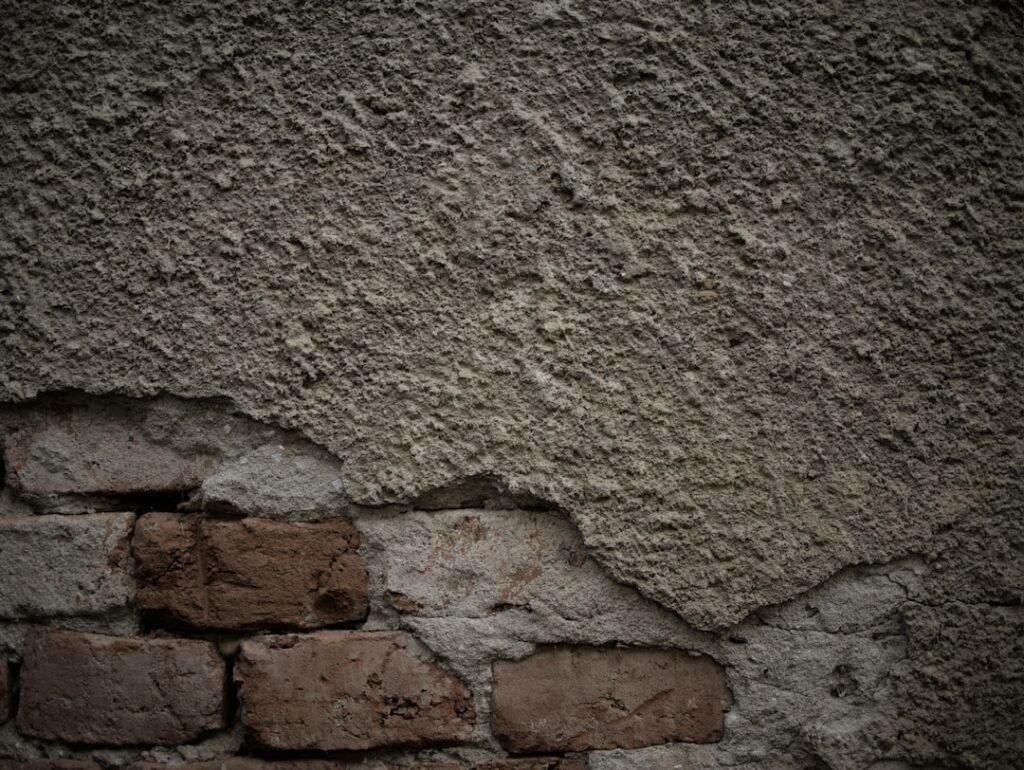
Old plaster walls and ceilings give a home character, but in houses built before the 1980s they can also hold a hidden ingredient: asbestos. The mineral was sometimes added to plaster and the related materials around it for fire resistance, strength, and texture. Asbestos in plaster is a common concern for owners of older Front Range homes planning to repair, remove, or renovate walls. This guide summarizes EPA, CDC, and OSHA guidance current as of 2026 to explain where asbestos hid in plaster systems, how much risk intact walls pose, and how to handle them safely; it is general information rather than a diagnosis, and any testing or removal decision should rest with a certified asbestos professional.
Is this mold, asbestos, or water damage? Get a free instant screen
Upload a clear photo of the suspect area. You'll get an instant AI screening opinion and what to do next. This is screening guidance, not a professional determination.
Screening guidance only. AI can be wrong. Confirm asbestos, mold type, or lead with lab testing or a licensed professional before acting.
Was asbestos used in plaster?
Yes, asbestos was sometimes added to plaster and to the materials used with it in homes built through roughly the early 1980s, valued for fire resistance, added strength, and texture. Not all old plaster contains asbestos, but enough does that professionals treat pre-1980 plaster as potentially asbestos-containing until tested.
Plaster in these homes was typically a multi-layer system, and asbestos could appear in different layers. It might be in the base or brown coat, in a textured or decorative finish coat, or in the patching compounds used over the years. Because the asbestos is bound within the hardened plaster, it is generally non-friable while the wall is intact, meaning it does not readily release fibers unless the plaster is broken, sanded, or demolished. The condition principle that governs all asbestos applies squarely here; our guide to non-friable asbestos explains why bound material left alone behaves so differently from crumbling debris.
Where asbestos hides in a plaster system
Knowing the layers helps you understand both where to test and what disturbs the material.
Base and finish coats
Traditional plaster was applied in coats over lath. Asbestos could be mixed into the scratch or brown base coats for strength and fire resistance, and into smooth or textured finish coats. Decorative textured ceilings of the era are a particular candidate, related to the same family of products as popcorn ceilings, which also frequently contained asbestos.
Patching and joint materials
Over decades, walls get patched, and the joint compounds and patching plasters used in mid-century repairs sometimes contained asbestos as well. This means even a wall that started asbestos-free could have asbestos-containing patches, and vice versa, which is one reason sampling can require testing multiple spots.
Associated materials
Plaster often sits alongside other asbestos-era materials, such as insulation behind walls or textured coatings. A renovation that opens a wall may disturb more than the plaster itself, which is why a whole-area assessment, not a single guess, is the safe approach before major work.
How much risk does asbestos in plaster pose?
Intact plaster walls and ceilings that contain asbestos generally pose a low likelihood of releasing fibers, because the material is bound and undisturbed. Asbestos becomes a hazard when fibers go airborne, and a solid, painted plaster wall is not shedding fibers as it sits. The EPA’s general guidance, leave intact asbestos material alone, applies directly to sound plaster.
The risk rises sharply with disturbance. Drilling for a shelf, sanding to smooth a surface, demolishing a wall, or scraping a textured ceiling can all release fibers from asbestos-containing plaster. Because plaster is hard and dense, aggressive mechanical work, power sanding, grinding, or demolition, is especially likely to generate respirable dust. Dust that looks like ordinary plaster dust can carry asbestos fibers invisible to the eye, and as our guide on how long asbestos stays in the air explains, those fibers can linger for hours. The CDC links asbestos inhalation to serious long-latency diseases, which is why even modest disturbance of suspect plaster warrants caution rather than a casual approach.
Handling plaster walls safely
If you own an older home with plaster, a few practices keep the low baseline risk low and protect you during any work:
- Leave sound plaster alone. Painted, intact walls and ceilings are best left undisturbed if they may contain asbestos.
- Test before disturbing. Before drilling extensively, sanding, or demolishing, have a certified professional sample the plaster and related materials.
- Avoid dry sanding and power tools on suspect plaster, since these generate the most airborne fiber.
- Do not dry-sweep debris. If plaster is damaged, avoid stirring dust; keep the area isolated and consult a professional.
- Repair small damage carefully. Minor cracks in confirmed asbestos plaster can sometimes be sealed rather than opened up, an approach related to asbestos encapsulation.
When extensive work is unavoidable, removal or management by a certified abatement contractor, with containment, wet methods, and clearance testing, is the safe path. This is not a DIY task once asbestos is confirmed and disturbance is significant.
How to recognize plaster that might contain asbestos
You cannot confirm asbestos by sight, but certain clues raise the probability enough to warrant testing before any disturbance. Age is the first and strongest indicator: plaster in a home built or plastered before the 1980s falls into the “test before disturbing” category.
Construction style offers secondary hints. Traditional plaster over wood or metal lath, common in homes from the early-to-mid twentieth century, predates drywall’s dominance and belongs to the asbestos era. Heavily textured or decorative plaster finishes, including swirled or stippled patterns and the textured ceilings related to popcorn coatings, are more likely candidates because asbestos was added for body and texture. Evidence of multiple patch repairs over the decades raises the chance that at least some material contains asbestos, since patching compounds of the era sometimes did.
None of these clues is proof, and asbestos-free plaster can look identical to asbestos-containing plaster. They simply help a homeowner gauge whether testing is warranted. The safe default for any pre-1980 plaster is to assume it might contain asbestos and to test before drilling extensively, sanding, or demolishing, rather than to guess from appearance.
What disturbing plaster actually releases
The reason caution centers on disturbance is that intact plaster and disturbed plaster behave completely differently. A solid, painted plaster wall binds any asbestos within the hardened material, releasing essentially nothing into the air. Break that bond, and the picture changes.
Mechanical disturbance
Drilling, cutting, sanding, grinding, and demolition all fracture the plaster matrix and can liberate fibers. Power tools are the worst offenders because they generate large volumes of fine dust quickly. Because plaster is dense and hard, mechanical work on it can produce a substantial dust cloud, and that dust can carry respirable asbestos fibers indistinguishable by eye from ordinary plaster dust.
Why the dust is deceptive
Ordinary plaster dust and asbestos-laden plaster dust look the same, but the latter contains fibers small enough to lodge deep in the lungs and light enough to stay airborne for hours, as our guide on how long asbestos stays in the air explains. This is why dry sweeping or vacuuming plaster debris with a household vacuum makes things worse, scattering fibers rather than capturing them. The CDC ties asbestos inhalation to serious long-latency diseases, which is why even a single dusty demolition of suspect plaster is treated as a real exposure rather than a minor mess.
Managing asbestos plaster without full removal
Removal is not always necessary, and for plaster it is often the most disruptive option, since it can mean demolishing whole walls or ceilings. Several management strategies can address asbestos plaster while minimizing fiber release.
- Leave it intact. Sound, painted plaster that contains asbestos can often stay in place safely if it is not going to be disturbed.
- Encapsulate or cover. Sealing the surface or installing a new finished layer over it can isolate the asbestos behind a barrier, an approach related to asbestos encapsulation.
- Repair minor damage carefully. Small cracks can sometimes be sealed rather than opened up, keeping fibers bound.
- Use certified abatement for major work. When demolition or extensive removal is unavoidable, a certified contractor performs it under containment with clearance testing.
The choice among these depends on the plaster’s condition and the homeowner’s plans for the space. For a wall that will simply be repainted, leaving it alone is usually best. For a major remodel that requires removing walls, professional abatement is the safe path. The unifying principle, echoing EPA guidance, is to avoid disturbing intact material whenever possible and to bring in certified help when disturbance cannot be avoided.
Testing and planning a renovation
Because you cannot tell by looking whether plaster contains asbestos, testing is the only reliable answer, and it is inexpensive relative to the cost of a contaminated home. A certified inspector collects small samples from the relevant layers and submits them to an accredited lab. Given that asbestos can be in some layers and not others, and in patches but not the original coat, professionals often sample multiple locations.
For a renovation, the sensible sequence is to test first, then plan the work around the result. If the plaster is clear, you proceed normally. If it contains asbestos, you decide between leaving intact sections alone, encapsulating, or having a certified contractor remove what the project requires. Front Range homes from the plaster era are common in older Denver, Boulder, and surrounding neighborhoods, so this is a routine consideration rather than an exotic one. Approaching it with testing and planning, rather than a hammer and a dust mask, is what keeps an old-house renovation both safe and on budget. Our pre-1978 housing hazard guide situates plaster among the other materials older homes commonly hide.
Plaster in the context of an older Front Range home
Plaster is rarely the only asbestos-era material in an older house, and seeing it in context helps a homeowner plan renovations sensibly. Homes from the plaster era, common across older Denver, Boulder, and surrounding neighborhoods, often combine plaster walls with other materials of the period: floor tile and mastic, textured ceilings, pipe and boiler insulation, and cement siding outside.
A renovation that opens a plaster wall may therefore disturb more than the plaster itself. Insulation behind the wall, old flooring beneath, or a textured ceiling above can all contain asbestos, which is why a whole-area assessment before major work beats testing a single surface and assuming the rest is clear. A certified inspector evaluating a remodel scope can identify which materials in the work zone need testing, so the project is planned around the results rather than interrupted by a surprise mid-demolition.
The sequencing advantage is real. Discovering asbestos after a wall is already open, with dust in the air, is the worst case, both for safety and for budget, because work stops and emergency cleanup may be needed. Testing first lets a homeowner decide calmly among leaving intact sections alone, encapsulating, or scheduling certified removal of what the project genuinely requires. For Front Range owners restoring character homes, that calm, test-first approach is what keeps a beloved old house both safe and on schedule, treating its plaster and the materials around it with the respect the era’s construction warrants.
It is worth ending on the reassurance that asbestos in plaster does not make a home unlivable. A solid, painted plaster wall that happens to contain asbestos poses little risk while it remains intact, and millions of people live comfortably in such homes. The hazard is tied to disturbance, not to mere presence, so the everyday act of living among sound plaster walls is not the concern. The concern is the renovation, the repair, or the demolition that breaks the surface, and that is precisely the moment testing and professional judgment step in. Knowing the difference lets a homeowner relax about intact walls while staying appropriately careful about any work that would disturb them.
References
- Protect Your Family From Exposures to Asbestos — U.S. Environmental Protection Agency
- About Asbestos and Health Effects — Centers for Disease Control and Prevention
- Asbestos Standards and Safe Work Practices — Occupational Safety and Health Administration
If your older Front Range home has plaster walls and you are planning repairs or a renovation, a vetted local inspector can arrange testing before you disturb anything. Reach out through our contact page to connect with a qualified Colorado professional.