Mold Extraction: Why Remediation Is the Right Word
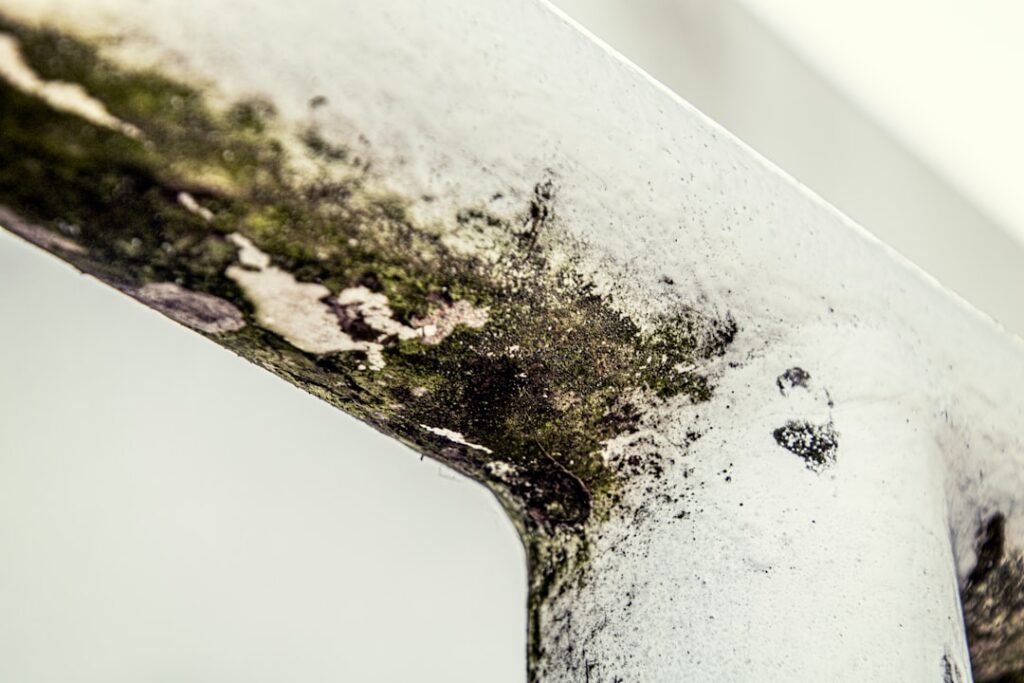
Mold extraction is a colloquial term homeowners sometimes use when searching for what the industry calls remediation. The phrase is not used by the IICRC, EPA, or industrial hygiene organizations; the technical and legal vocabulary uses remediation when referring to the controlled process of removing fungal contamination from a building. The distinction matters because contractors who advertise mold extraction may be operating outside the IICRC S520 framework that defines residential mold work. This guide summarizes EPA, CDC, and IICRC guidance current as of 2026 to help Front Range homeowners decode the terminology and identify legitimate scopes of work. Consult your physician about persistent respiratory symptoms.
Is this mold, asbestos, or water damage? Get a free instant screen
Upload a clear photo of the suspect area. You'll get an instant AI screening opinion and what to do next. This is screening guidance, not a professional determination.
Screening guidance only. AI can be wrong. Confirm asbestos, mold type, or lead with lab testing or a licensed professional before acting.
What mold extraction actually means in practice
In homeowner usage, mold extraction generally describes the physical removal of visible fungal growth and the underlying contaminated material from a structure. The proper industry term for this process is mold remediation, governed by the IICRC S520 Standard for Professional Mold Remediation. The terminology choice signals which framework a contractor is working within. A firm using extraction as its primary marketing word may simply be matching homeowner search behavior, or it may indicate that the firm is operating outside the IICRC framework. Asking directly which standards the firm follows clarifies the question.
The reason the terminology matters is that IICRC S520 establishes specific protocols for containment, source removal, PPE, HEPA filtration, and clearance verification. A contractor following those protocols is performing remediation in the sense the standard defines. A contractor performing surface cleaning, fogging, or partial cleanup without those protocols is performing something different, even if the marketing word is the same. Homeowners can ask which IICRC standards the work will follow as a first-line diagnostic.
Why remediation is the proper term
Remediation is the term used by the EPA, CDC, IICRC, ACAC, InterNACHI, ASHI, and HUD when discussing the controlled process of addressing indoor fungal contamination. The word covers the full scope: assessment, containment, source removal, cleaning, drying, and verification. It is the term that appears in insurance documentation, IICRC certifications, and real estate disclosures. A contractor who uses remediation as primary marketing language is generally aligning with industry standards.
Extraction, by contrast, is more common in water-event response, where water extraction refers to the physical removal of standing water from a building using truck-mounted or portable extractors. In that context the term has a specific technical meaning. Applied to mold, the term is less precise and is not the standard vocabulary. Homeowners encountering mold extraction in marketing language should treat it as a synonym for remediation, while asking the contractor which IICRC protocols will guide the actual work.
How the EPA frames the work
The EPA mold cleanup guidance for homeowners and the EPA Mold Remediation in Schools and Commercial Buildings guide both use remediation as the primary term. The homeowner guidance recommends cleanup for contamination under roughly ten square feet on non-porous surfaces, and remediation for larger areas, porous materials, or hidden contamination. The terminology distinction parallels the scope distinction: cleanup is a lighter intervention; remediation is the structured, documented process that the larger industry uses.
How IICRC S520 frames the work
IICRC S520 frames the work in four conditions and three categories of work. Condition 1 is normal fungal ecology. Condition 2 is settled spores from a Condition 3 source. Condition 3 is active growth. The remediation process moves Condition 2 or Condition 3 spaces back to Condition 1 through documented protocols. None of this is referred to as extraction in the published standard; the word remediation appears throughout.
What proper remediation involves
Proper remediation under IICRC S520 involves several documented stages. The first is pre-work assessment, which maps moisture and defines the contamination extent. The second is containment, using 6-mil poly sheeting taped to floor and ceiling with a zipper door for access. The third is source removal of contaminated porous materials such as drywall, ceiling tile, insulation, or carpet pad. Materials are cut out, double-bagged, and disposed of according to local solid-waste regulations.
The fourth stage is HEPA-vacuuming and damp-wiping of remaining surfaces with EPA-registered antimicrobials. The fifth is drying, with air movers and dehumidifiers running for several days until substrates reach normal moisture content verified by pin and pinless meters. The sixth is final cleaning, including detailed HEPA vacuuming of the work area. The seventh is clearance, performed by an independent industrial hygienist on projects where the scope warrants it. The broader mold inspection pillar walks through how these stages fit together in plain language.
What containment and HEPA filtration accomplish
Containment and HEPA filtration are the two protocols that most clearly distinguish remediation from cleaning. Containment using 6-mil poly sheeting creates a physical barrier between the work area and adjacent occupied space, preventing spore migration during demolition. Negative-air HEPA filtration maintains a pressure differential, with air exhausted from the work area through HEPA filters that capture particles down to 0.3 microns. The combination prevents cross-contamination of the rest of the home during demolition.
Without containment and HEPA filtration, demolition of contaminated drywall releases significant airborne spore concentrations into adjacent rooms. Studies of indoor air quality during uncontained demolition have documented spore counts that exceed pre-work levels by orders of magnitude in adjacent spaces. The protocols exist for a reason, and contractors who omit them on Condition 3 work are operating below the IICRC standard.
When the term extraction actually fits
The term extraction fits in two specific contexts within the mold cleanup conversation. The first is water extraction immediately after a water event, where truck-mounted or portable extractors remove standing water from carpet, padding, and hard surfaces. Water extraction is the IICRC S500 first response that often prevents mold from establishing if completed within the 48-to-72-hour window. The second is air extraction in the sense of negative-air HEPA filtration during remediation, where contaminated air is extracted from the work area through HEPA filters.
Neither of these uses justifies marketing mold extraction as a comprehensive service category. The first is a water-loss step; the second is a component of remediation. Homeowners encountering mold extraction as a primary marketing term should ask the contractor to clarify what specific scope of work the term covers in their proposal.
Vetting a contractor regardless of terminology
Regardless of which marketing term a contractor uses, the vetting questions remain the same. Does the firm hold IICRC AMRT or ACAC CMR credentials? Will the work follow IICRC S520 protocols? What containment will be deployed? Will negative-air HEPA filtration be used? What PPE will the crew wear? How will moisture readings be documented? Will an independent third party perform clearance sampling? What warranty terms apply?
The answers reveal whether the firm is operating within industry standards or outside them. Vague answers, refusal to put protocols in writing, or pushback on third-party clearance suggest a poor fit for projects above the EPA homeowner threshold. Solid answers, written scope, and willingness to coordinate with independent assessment suggest the firm is doing the work the standard contemplates. Our mold remediation contractors guide walks through the contractor-types landscape in detail.
Documentation that matters across terminologies
The documentation that matters does not depend on what the contractor calls the work. The pre-work assessment should document the affected area in square feet, the substrates involved, the proposed scope, and the moisture readings recorded during assessment. The daily work logs should document moisture readings, equipment hours, and any scope changes. The post-work documentation should include final moisture readings, photos of the completed work, and clearance results if independent clearance was performed.
Homeowners who receive complete documentation have a record they can attach to insurance claims, real estate disclosures, and future questions about the property. Homeowners who receive a single-line invoice with no supporting documentation have purchased work without producing the records that justify the cost. Asking for documentation up front, before signing, is the most effective way to ensure it appears at project close.
Pricing across the terminology spectrum
Pricing for mold extraction or mold remediation, whichever term the contractor uses, generally tracks with project scope rather than vocabulary. Front Range pricing in 2026 commonly runs 150 to 600 dollars for surface cleaning visits, 1,500 to 5,000 for small-area work with demolition, 2,500 to 7,500 for whole-room remediation with containment and clearance, and 5,000 to 15,000 for whole-basement projects. Attic sheathing remediation with ventilation correction typically lands between 3,500 and 8,000. HVAC duct cleaning added to a remediation project adds 1,500 to 4,000.
Homeowners receiving bids significantly below the low end of these ranges should ask whether the proposed scope actually includes containment, source removal, and HEPA filtration, or whether the bid is for surface cleaning marketed under a remediation label. Bids significantly above the high end may include franchise overhead, premium materials, or expanded scope. Either case warrants clarification before signing.
When to bring in an independent assessor
An independent assessor is most useful before remediation and after remediation, regardless of which marketing term the contractor uses. Pre-remediation moisture mapping right-sizes the scope. Post-remediation clearance sampling verifies the project returned the space to Condition 1 under IICRC S520. The assessor should be a different firm from the remediation contractor; that separation preserves the independence of the result.
Front Range buyers in real estate transactions benefit particularly from independent assessment because Colorado does not license mold contractors at the state level. A documented assessment from an InterNACHI or ACAC-credentialed inspector provides an objective record that protects both buyer and seller and produces a baseline that future disclosures can be measured against.
How terminology shows up in insurance and real estate documents
Insurance policies and real estate disclosures use remediation as the primary term, not extraction. Carriers reference IICRC S500 and S520 protocols in claim documentation. Real estate disclosure forms in Colorado ask about prior remediation work as a defined event, with carriers and title companies expecting documentation that matches the standard vocabulary. Homeowners who paid for mold extraction without the underlying IICRC-protocol work may find that the insurance or resale documentation does not support the value of the work performed.
That gap motivates the recommendation to insist on remediation-grade documentation regardless of which marketing term the contractor uses. The deliverable is what matters: the scope of work, the daily logs, the final moisture readings, and the clearance results if applicable. A contractor who provides this documentation has performed remediation in the sense the industry defines, regardless of whether the marketing material uses extraction or remediation as the headline word.
References
- EPA Mold Cleanup in Your Home — U.S. Environmental Protection Agency
- CDC Mold Resources — Centers for Disease Control and Prevention
- InterNACHI Mold Inspection Standards — International Association of Certified Home Inspectors
- HUD Healthy Homes Program — U.S. Department of Housing and Urban Development
Homeowners in the Denver metro who want help interpreting contractor scope language can reach out through our contact page for a connection to a vetted independent inspector.