Mold Damage Restoration: What Homeowners Need to Know
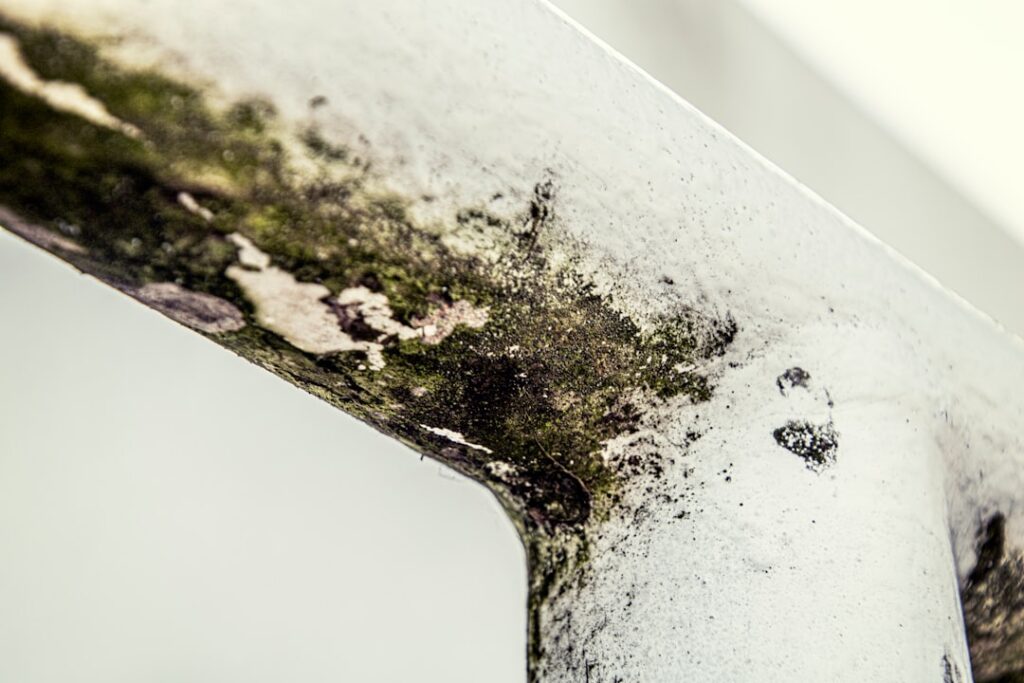
“Mold damage restoration” describes a broader process than mold remediation alone — it encompasses water mitigation, mold remediation, and reconstruction of damaged building materials. Homeowners often encounter the phrase after a water event when the project must address all three phases sequentially. This guide explains how the phases connect, what IICRC standards apply to each, how insurance carriers structure coverage across the phases, and what homeowners should expect at each stage. EPA, CDC, and IICRC guidance current as of 2026 informs the content; for medical symptoms see your physician rather than the restoration contractor.
Is this mold, asbestos, or water damage? Get a free instant screen
Upload a clear photo of the suspect area. You'll get an instant AI screening opinion and what to do next. This is screening guidance, not a professional determination.
Screening guidance only. AI can be wrong. Confirm asbestos, mold type, or lead with lab testing or a licensed professional before acting.
What mold damage restoration actually means
Restoration is the full process of returning a damaged property to pre-loss condition. Mold-specific damage restoration typically begins with water mitigation (stopping the source and removing standing water), proceeds to mold remediation (containment, demolition, drying, and clearance per IICRC S520), and concludes with reconstruction (replacing demolished materials and finishing the affected area). The phases run sequentially and sometimes use different contractors or different divisions of the same restoration company.
Phase one — water mitigation
If the underlying cause is recent water intrusion, the first phase addresses the water source and the immediate water damage. Standing water gets extracted, soaked materials get assessed for salvageability, and structural drying begins within 24 to 48 hours when possible. Water mitigation follows IICRC S500 standards. The faster this phase completes, the smaller the eventual mold remediation scope. Delays of 72 hours or more reliably escalate the project from water mitigation to combined water-and-mold remediation.
Phase two — mold remediation
If mold is already present or grew during the water-damage delay, phase two applies IICRC S520 standards: assessment, containment, source removal, contaminant removal, and post-remediation verification. The remediation phase is where porous contaminated materials are demolished, structural materials are cleaned and dried, and air sampling confirms the work succeeded. Phase two typically takes 5 to 14 days depending on project size, with overlap into phase three on larger jobs.
Phase three — reconstruction
After remediation passes clearance, reconstruction replaces demolished drywall, insulation, flooring, trim, and finishes. Reconstruction may include painting, tile replacement, cabinet reinstallation, and other carpentry. The contractor performing reconstruction is sometimes the same firm that did mitigation and remediation; sometimes a separate general contractor. Reconstruction quality determines whether the finished home looks like a repair or like a complete renovation of the affected area. Get reconstruction scope in writing alongside the remediation scope.
IICRC S500 versus S520 — which standard applies when
S500 is the water damage standard; S520 is the mold remediation standard. Properly executed mold damage restoration applies both. S500 governs the initial water mitigation phase, including extraction, drying, and Category 1/2/3 classification of the water. S520 takes over once mold growth is identified or anticipated. A firm certified under one standard but not the other can handle parts of the project but not the full scope. Verify both certifications for restoration projects spanning water and mold work.
Insurance coverage across the three phases
Homeowner’s policies typically cover the water mitigation phase when the water source is a “covered peril” (sudden pipe burst, appliance malfunction, ice dam ingress). Coverage for the mold remediation phase varies — many policies cap mold remediation at $5,000 to $10,000 unless an endorsement raises the limit. Reconstruction coverage usually depends on whether the underlying damage was covered. Long-term leaks, gradual seepage, and maintenance issues are typically excluded across all phases. Read your specific policy or call your adjuster before assuming what is covered.
Documentation requirements
Insurance carriers expect documentation at each phase: water-intrusion source and extent, moisture readings before and after drying, mold-sampling results before and after remediation, demolition photos and material quantities, equipment runtime logs, and post-remediation verification reports. Restoration firms with carrier-direct relationships produce this documentation routinely. Independent shops sometimes require more homeowner involvement in keeping records. Either way, the documentation determines whether the claim pays cleanly or gets disputed.
Water categorization — Category 1, 2, 3
S500 defines water in three categories based on contamination risk. Category 1 (clean water from a broken supply line) requires the least aggressive intervention. Category 2 (gray water from appliances or non-sewage backups) requires more thorough cleaning. Category 3 (sewage backups, river flooding, contaminated outdoor sources) requires full containment, full PPE, and removal of all porous materials regardless of visible damage. The category drives scope, cost, and timeline. Misclassifying Category 3 water as Category 1 is a common scope failure.
The drying phase that determines mold prevention
Aggressive structural drying within 48 hours of water intrusion prevents the project from escalating into a mold problem. Industry rule of thumb: each day of delay roughly doubles the eventual mold remediation cost. Drying involves air movers (typically one per 150 square feet), dehumidifiers sized to grain depression calculations, and daily moisture readings on affected materials until target moisture content is achieved (typically 12 to 16 percent depending on material type). Drying logs become the documentation that proves the home was properly handled.
When the restoration company handles all three phases
Full-service restoration franchises typically dispatch a single project manager who coordinates water mitigation, remediation, and reconstruction. The advantage: single point of accountability, single contract, single invoice. The disadvantage: less competitive pricing because the homeowner is captive to one firm across the full scope. The mold inspection hub covers how to bring an independent inspector into a full-service restoration to maintain checks on quality.
When to split phases across multiple contractors
Splitting phases works best on out-of-pocket projects (no insurance pressure) and on projects where the homeowner wants competitive pricing on each phase. A common pattern: hire a water-mitigation specialist for phase one, an independent IICRC-certified remediation firm for phase two, and the homeowner’s preferred general contractor for phase three. The tradeoff is coordination overhead and risk of finger-pointing if anything goes wrong at the phase handoffs.
Front Range restoration patterns
Common Colorado mold-damage restoration scenarios: ice-dam leaks behind ceiling drywall during winter, kitchen-supply-line failures during freeze events, washing-machine supply-hose failures, sewer backup during heavy spring storms, and slow refrigerator-line leaks discovered weeks after the fact. Each scenario maps to different phase distributions — the ice-dam project may be 70 percent reconstruction, while the sewer backup is typically 70 percent Category 3 water and remediation. Front Range restoration capacity surges during spring-melt season when ice-dam and basement-seepage events cluster.
Timeline expectations
Small projects (one room, single moisture event, no HVAC involvement) typically complete the full restoration in 2 to 4 weeks. Mid-size projects (multiple rooms, structural drying) run 4 to 8 weeks. Large projects (significant demolition, HVAC reconstruction, multiple finished spaces) can run 3 to 6 months from water event to final reconstruction. Insurance claim friction can add weeks to the timeline regardless of project size. Plan for delays as a baseline.
Living conditions during restoration
Smaller projects may be tolerable to live through with affected areas closed off. Larger projects typically require relocating occupants to a hotel or short-term rental during the most disruptive phases. ALE (Additional Living Expenses) coverage in homeowner’s policies typically covers temporary housing when the home is uninhabitable due to a covered loss. Verify ALE coverage limits before incurring costs — some policies cap ALE at 24 months or specific dollar amounts.
When to call a professional rather than wait
Any water intrusion event that affects more than a few square feet, any visible mold following a water event, any Category 2 or 3 water source, or any project involving structural materials in framed walls or ceilings warrants professional restoration. Below those triggers, homeowner mitigation may be appropriate. The phase-based framework helps match scope to capability when professional help is engaged. For complex projects, the four-phase methodology breakdown provides a deeper operational view.
Pre-loss documentation that smooths claims
Before any water-loss event, homeowners benefit from photo documentation of finished spaces and significant possessions. Insurance adjusters work faster on claims supported by pre-loss imagery showing what the space looked like and what materials and finishes were present. Annual photo walkthroughs stored in cloud storage take an hour and save hours of adjuster back-and-forth after a loss. The documentation also helps the homeowner remember what was lost when working through claim line items weeks or months later. Pre-loss documentation is cheap insurance against post-loss disputes.
Selecting reconstruction materials wisely
The reconstruction phase reinstalls drywall, insulation, flooring, trim, and finishes. Material selection during reconstruction is an opportunity to improve resilience against future moisture events. Paperless or mold-resistant drywall in areas previously affected reduces regrowth risk. Closed-cell insulation in basement wall cavities resists future moisture incursion better than fiberglass batt. Engineered flooring rated for damp environments outperforms standard hardwood in below-grade applications. The reconstruction phase adds a few hundred dollars to material cost in exchange for meaningful resilience improvements.
How relocation affects project pace
Projects where occupants relocate during work typically run faster because contractors can operate on full schedules without working around residents. Projects where occupants remain in the home through work typically run 30 to 50 percent longer because of access constraints, dust management around occupied spaces, and limited work-hour windows. The trade-off is the cost of temporary housing versus the cost of extended project timelines. ALE coverage often makes relocation the cheaper option when the policy supports it. The mold inspection hub covers occupant decisions alongside contractor selection.
Why some projects require multiple verification cycles
Large or complex projects sometimes require two or three rounds of post-remediation verification before passing clearance. Common reasons: hidden growth discovered during demolition that expanded scope mid-project, drying that took longer than initially anticipated due to material density, or first-round clearance air samples showing residual elevation that triggers re-cleaning. Multiple verification cycles add cost and timeline but produce verifiably complete projects. A first-attempt failure is not a project disaster; it is the system working as designed to prevent a premature close that would have allowed regrowth.
References
- EPA — Mold Remediation Reference Guide — U.S. Environmental Protection Agency
- CDC — Mold Health Information — Centers for Disease Control and Prevention
- EPA — Mold Cleanup in Your Home — U.S. Environmental Protection Agency
- CDPHE — Indoor Air Mold Guidance — Colorado Department of Public Health and Environment
Front Range homeowners navigating a water-and-mold event who want vetted contractor referrals across the restoration phases can connect with us for guidance.