Mobile Home Inspectors Near Me: How to Find One
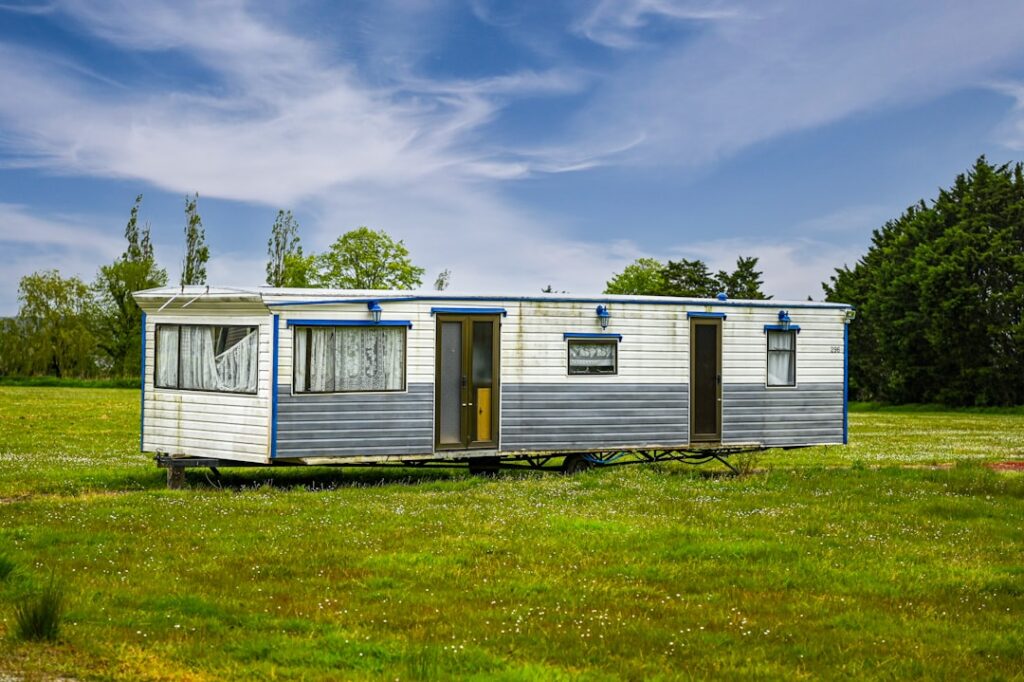
Buying or selling a manufactured home rarely follows the same script as a stick-built house, and the inspection is one of the biggest differences. The phrase “mobile home inspectors near me” turns up a wide mix of results: general home inspectors who occasionally take manufactured-home jobs, specialists who focus on HUD-code housing, and engineers who certify foundations for FHA and VA loans. Knowing which one you actually need saves money and prevents a failed loan closing. This guide breaks down what a mobile home inspection covers, what local inspectors typically charge along the Colorado Front Range, and how to separate a qualified professional from someone padding their service menu.
What does a mobile home inspector near you actually do?
A mobile home inspector evaluates the condition and safety of a manufactured or modular home, then writes a report you can use to negotiate repairs, qualify for financing, or decide whether to walk away. The core scope mirrors a standard inspection: roof, exterior, structure, plumbing, electrical, HVAC, insulation, and interior. The difference is in the details unique to factory-built housing.
Manufactured homes sit on a steel chassis rather than a poured basement or crawl-space foundation. Inspectors look at how the unit is supported and anchored, whether the pier-and-beam system has shifted, and whether tie-downs and anchors meet local wind and seismic requirements. They check the marriage line where double-wide and triple-wide sections join, the underbelly vapor barrier (the “belly wrap”), and the condition of the skirting that encloses the crawl space. These items have no equivalent in a conventional home, and a generalist who skips them leaves the buyer exposed.
Most local inspectors follow a written standards of practice, such as those published by the International Association of Certified Home Inspectors. Reading the standard before you hire tells you exactly which systems are included and which (septic, well flow, mold sampling) cost extra. For a broader view of how any inspection fits into a purchase, the buyer’s guide to hiring a home inspector walks through the full timeline from offer to closing.
How mobile home inspections differ from standard inspections
The big-ticket items in a manufactured home are not the same as in a 1980s ranch. A general inspector who treats the two as interchangeable can miss problems that cost five figures to repair.
The foundation and support system
Older manufactured homes often rest on stacked concrete blocks (dry-stacked piers) that settle unevenly over decades. Inspectors check for cracked or leaning piers, missing shims, and gaps between the beam and the support. A home that has drifted off level stresses the frame, cracks drywall at the marriage line, and binds doors and windows. On the Front Range, expansive clay soils make differential settlement common, so support documentation matters more here than in many other regions.
Tie-downs, anchors, and skirting
Manufactured homes must be anchored against wind uplift. The inspector verifies that ground anchors are present, properly torqued, and not corroded. Skirting is not just cosmetic: it controls crawl-space ventilation and keeps rodents and freezing wind off the plumbing. Loose or missing skirting in Colorado winters is a frozen-pipe risk.
The HUD data plate and certification label
Every home built to the federal manufactured-housing standard after June 15, 1976 carries a HUD data plate (a paper label inside, often in a cabinet or closet) and a red metal certification tag on the exterior of each section. A competent inspector locates both, records the manufacture date, and notes whether the home meets the wind and thermal zone for its location. Missing tags complicate resale and financing.
The data plate also matters for Colorado specifically. The thermal zone rating tells you whether the home was built for the climate it now sits in. A unit manufactured for a warmer southern zone and later moved to the Front Range may be under-insulated for Colorado winters, which shows up as high heating bills and condensation problems the inspector should flag. The wind zone rating, similarly, indicates the anchoring standard the home was designed to, useful information given the strong chinook winds that sweep down the eastern slope of the Rockies.
The plumbing and the belly wrap
Manufactured-home plumbing runs through the underbelly, protected by the belly wrap. A torn or sagging belly wrap exposes those lines to freezing and lets moisture, rodents, and pests into the cavity. Inspectors look for water staining, sagging insulation, and gaps where utilities penetrate the floor. In older units, the supply piping may be polybutylene, a material with a known failure history that insurers flag, so the inspector records the pipe type along with the water heater’s age and condition.
What does a mobile home inspection cost near you?
Pricing tracks the home’s size, age, and whether you need add-on services. Industry ranges current in 2026 look roughly like this:
- Single-wide, basic inspection: $250–$400
- Double-wide or larger: $350–$550
- FHA/VA foundation certification (engineer’s letter): $400–$800, usually separate from the home inspection
- Radon test add-on: $125–$250 (strongly advised on the Front Range)
- Sewer scope or well/septic: $150–$400 each
The single most common surprise is the foundation certification. FHA and VA loans on manufactured homes require a licensed engineer to certify the foundation meets HUD’s Permanent Foundations Guide. A standard home inspector cannot provide that letter; you need a structural engineer. Confirm up front whether your lender requires one, because scheduling it late can stall a closing. For a wider look at typical fees, the explainer on what a pre-purchase inspection costs covers how add-ons stack up.
Radon and the manufactured home myth
A persistent misconception holds that manufactured homes do not have a radon problem because they sit above ground. That is wrong. The U.S. Environmental Protection Agency reports elevated radon in homes of every foundation type, including manufactured units placed over crawl spaces or slabs. Colorado is a high-radon state, and the EPA assigns most Front Range counties to Zone 1, the highest-risk category. Soil gas migrates up through the belly wrap, plumbing penetrations, and any slab the home sits on.
If the inspector you hire does not offer radon testing, arrange it separately. Colorado homeowners can review what local testing involves through the Front Range radon testing guide, which explains short-term versus long-term protocols and the 4.0 pCi/L action level. A mitigation system on a manufactured home is entirely feasible and usually cheaper than on a full basement.
The testing approach differs slightly for a manufactured home. A unit over a crawl space needs the test placed in the lowest lived-in level under closed-house conditions, just like a stick-built home. Sealing the belly and skirting and installing a sub-membrane depressurization system, drawing soil gas from beneath a sealed crawl-space barrier, is the standard mitigation route, and it tends to run at the lower end of typical Front Range mitigation pricing because the crawl space is more accessible than a poured basement slab.
Heating, cooling, and the sealed-combustion furnace
Manufactured homes use furnaces and water heaters specifically designed and listed for HUD-code housing. A standard residential furnace cannot legally be swapped in, because manufactured-home appliances must draw combustion air from outside the living space and be sealed against the home’s interior. The inspector checks that the furnace is a proper manufactured-home unit, that the ducting runs through the floor or ceiling without crushed or disconnected sections, and that the unit is sized for the home. A furnace replaced with the wrong type is both a safety hazard and a code violation that can derail financing.
The roof and the seams
Older manufactured homes often have low-slope or flat metal roofs sealed with coatings that degrade over time, and double-wides have a seam along the marriage line that is a common leak point. The inspector looks at the roof covering’s condition, the seals around vents and the marriage seam, and any interior staining that signals past or active leaks. On the Front Range, hail is an added concern: metal roofs dent and coatings crack under repeated hail, so the inspector notes storm damage that may affect both function and insurability.
How to vet a mobile home inspector before you hire
The search results for “mobile home inspectors near me” do not rank by competence, so the vetting is on you. Work through these checks:
Confirm manufactured-home experience specifically
Ask how many manufactured-home inspections the person completed in the past year. A generalist who does two a year will not catch what a specialist who does fifty will. Request a sample report on a manufactured home, not a stick-built one, so you can see whether the chassis, anchors, and data plate are addressed.
Verify licensing and certification
Colorado does not license home inspectors at the state level, which makes voluntary certification more important here than in regulated states. Look for membership in a recognized body and current standing. Both the American Society of Home Inspectors and InterNACHI publish member directories and require continuing education. For the federal foundation letter, confirm the provider is a professional engineer licensed in Colorado.
Check insurance
A qualified inspector carries errors-and-omissions coverage and general liability. If a missed defect later proves the inspector was negligent, that coverage is your only realistic recourse. The plain-language breakdown of errors-and-omissions insurance for inspectors explains what the policy does and does not cover.
Read the contract and turnaround
Get the scope, exclusions, fee, and report-delivery time in writing. A 24-to-48-hour digital report with photos is standard. Be wary of anyone who refuses to put the limitation-of-liability language in front of you before the inspection.
What the report should tell you
A strong manufactured-home report separates safety hazards from maintenance items and uses photos to document each finding. Expect clear notes on the support system’s level and condition, anchor and tie-down status, the underbelly’s integrity, electrical panel and bonding, the furnace and ducting, and any water intrusion at the marriage line or roof. The report should reference the HUD data plate information and flag any unpermitted additions, which are common on older units and can void financing or insurance.
Use the report as a negotiation tool, not a pass/fail grade. Few homes are perfect, and many findings are routine. The point is informed decision-making: knowing whether you face a $200 skirting repair or a $12,000 re-leveling and pier replacement. The companion guide on which repairs are actually mandatory after an inspection helps separate must-fix safety issues from optional cosmetic ones.
When to bring in a specialist or engineer
Call a structural engineer rather than relying on a generalist when the loan is FHA or VA, when the home shows signs of significant settlement, or when previous owners added a room, deck, or carport that ties into the structure. Bring in a licensed HVAC contractor if the furnace is original to a pre-1990 unit, since manufactured-home furnaces are sealed-combustion sized for the specific home and replacements must match. For wells and septic on rural Front Range lots, use providers who specialize in those systems; the general inspector typically excludes them.
Timing matters. Schedule the inspection early in your contingency window so there is room to bring in a specialist if the report raises a red flag. A rushed inspection two days before closing leaves no time to investigate, renegotiate, or walk away cleanly.
Older versus newer manufactured homes
The home’s age changes what the inspection should emphasize. Units built before the June 1976 HUD standard are technically “mobile homes” rather than “manufactured homes,” and they predate federal construction and safety rules. These pre-1976 units often lack adequate insulation, use outdated aluminum branch wiring, and rest on improvised supports. Many lenders will not finance them, so a pre-purchase inspection on a pre-1976 unit is as much about confirming financeability as condition.
Homes built between 1976 and 1994 meet the original HUD code but predate a significant 1994 update that tightened wind, thermal, and energy standards. Inspectors pay extra attention to insulation levels, window quality, and anchoring on these units. Post-1994 homes generally perform better against Colorado’s climate and wind, but they still need the full chassis, anchor, and belly-wrap review. Knowing the manufacture date from the data plate frames which issues are likely, which is why locating that plate is one of the first things a competent inspector does.
What this means for Front Range buyers and sellers
Manufactured housing is a meaningful share of affordable inventory across the Front Range, from Adams and Arapahoe County communities to rural Elbert and El Paso County lots. Buyers in these markets benefit from hiring an inspector who treats the manufactured home as its own category rather than a smaller version of a stick-built house. Sellers gain too: a pre-listing inspection that documents a sound chassis, proper anchoring, and an intact belly wrap removes buyer uncertainty and supports the asking price.
The recurring theme is that the search term “mobile home inspectors near me” should lead to a manufactured-home specialist, a radon test, and, for FHA or VA financing, a structural engineer’s foundation certification. Lining up those three before the inspection, rather than discovering the need for them late, keeps a manufactured-home purchase on schedule and free of closing-day surprises.
References
- EPA Map of Radon Zones and State Information — U.S. Environmental Protection Agency
- Standards of Practice for Home Inspections — InterNACHI
- Find a Certified Home Inspector — American Society of Home Inspectors