Home Inspection Miami: A Buyer’s Hiring Guide
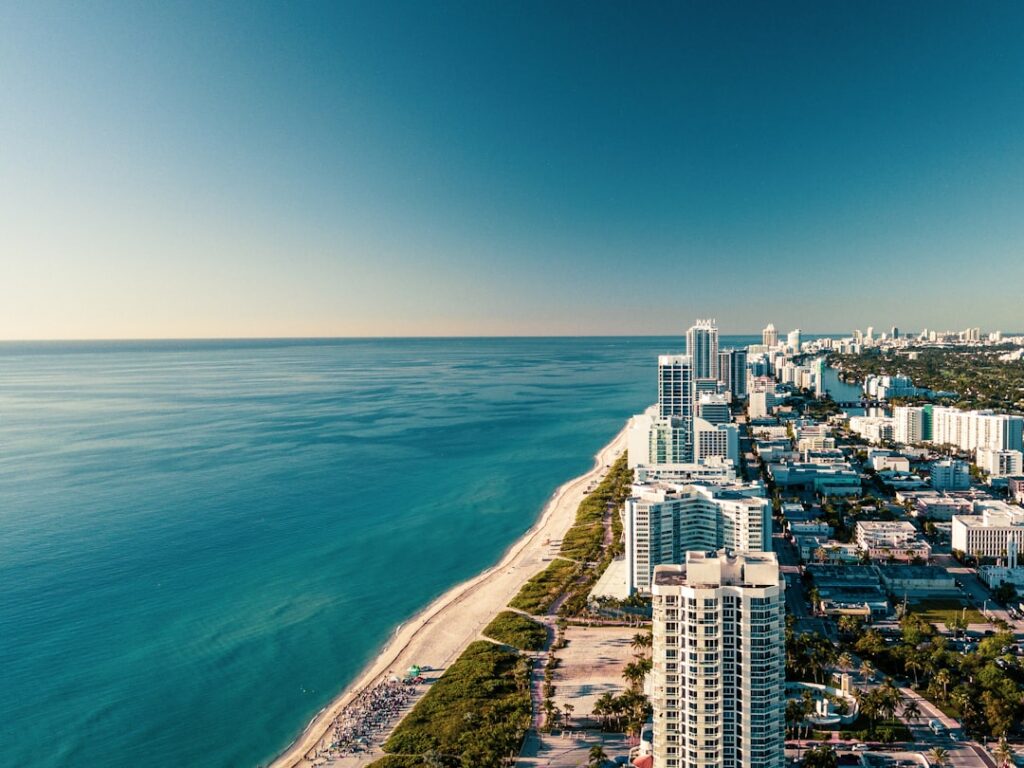
A home inspection in Miami carries concerns that buyers in cooler, drier markets never think about: hurricane wind ratings, salt-air corrosion, humidity-driven mold, and the realities of concrete-block construction. Florida licenses home inspectors, so Miami buyers have a verifiable credential to check, but the licensing floor is only the start. The subtropical coastal climate and South Florida’s building-code history mean a Miami inspection should look at very different things than an inspection in Denver or the Midwest. This guide explains Florida licensing, the local risks that belong on the inspector’s checklist, typical costs, and how to choose a qualified inspector.
How Home Inspections Work in Miami
Florida licenses home inspectors at the state level, requiring approved education, an examination, and insurance, with a public license lookup buyers can use to verify credentials. That makes Miami a regulated market where buyers can confirm a baseline of training before hiring. A Miami home inspection is a visual, non-invasive assessment of the home’s systems, producing a written report of defects and safety concerns for the buyer.
What sets Miami apart is not the basic process but the emphasis. Coastal exposure, hurricane risk, and near-constant humidity shift where a thorough inspector spends time. The broader guide to hiring a home inspector covers the universal vetting steps; the rest of this guide focuses on what is specific to South Florida. Verifying the Florida license should be the first step before scheduling.
What a Miami Inspection Should Cover
Beyond the standard systems, a Miami inspection leans into the region’s particular failure modes. A capable local inspector evaluates these areas with extra care.
Hurricane and Wind Mitigation
South Florida’s building code, strengthened after Hurricane Andrew, addresses wind resistance through impact-rated windows, reinforced roof-to-wall connections, and shutters. Many buyers commission a separate wind-mitigation inspection because it affects insurance premiums. An inspector should note the roof’s attachment, opening protection, and any visible code-era construction features that bear on storm resilience.
Moisture, Mold, and Humidity
Persistent humidity makes mold and moisture intrusion a leading Miami concern. Inspectors look for water staining, HVAC condensation problems, poor drainage, and signs of past flooding. Because hidden moisture drives mold growth, tools like a thermal moisture meter help an inspector flag damp areas behind finishes before they become a remediation problem.
Concrete Block and Corrosion
Many Miami homes are concrete-block stucco (CBS) construction. Inspectors evaluate stucco cracking, water intrusion at the block, and corrosion of embedded steel, which salt air accelerates near the coast. Older slab and tie-beam details and any signs of spalling concrete deserve attention.
Miami Climate and Coastal Risks
Miami’s environment is the dominant variable in any inspection. Salt-laden air corrodes metal fasteners, HVAC condenser coils, electrical components, and reinforcing steel faster than inland conditions. High water tables and flood-zone designations make drainage, elevation, and prior flood history material to the buying decision. Year-round warmth and moisture create ideal conditions for mold and for wood-destroying organisms where wood framing exists.
These factors interact. A roof that would last decades inland may face wind and salt exposure that shortens its service life. An HVAC system runs nearly continuously, so its age and condition matter more. Flood history can affect both insurance and resale. A Miami inspector who knows the territory weighs these realities rather than treating the home as if it sat in a temperate climate, and buyers should expect the report to reflect that local knowledge much as a strong Denver-area report reflects Front Range conditions.
Roof Age and Condition
In Miami, roof age drives both inspection emphasis and insurability. Many South Florida insurers limit or decline coverage on roofs beyond a certain age, so an inspector’s assessment of remaining roof life carries weight beyond ordinary wear. Tile, metal, and shingle roofs each show different aging patterns under intense sun and storm exposure, and the inspector documents the covering condition, flashing, and any signs of prior repair or storm damage.
Insurance and the Four-Point Inspection
Insurance shapes the Miami buying process more than in most markets, and inspections feed directly into it. On older homes, insurers commonly require a four-point inspection examining the roof, electrical, plumbing, and HVAC systems before issuing or renewing a policy. The four-point is narrower than a full home inspection, focusing only on the systems most likely to cause a costly claim, and it produces a report formatted for the insurer rather than the buyer.
A wind-mitigation inspection is the other insurance-driven report. It documents construction features that resist hurricane wind, such as roof-to-wall connections, roof shape, deck attachment, and opening protection like impact-rated windows or shutters. These features can substantially lower premiums, so the wind-mitigation report often pays for itself through reduced insurance cost. Buyers should understand that a full home inspection, a four-point inspection, and a wind-mitigation inspection are three separate products serving different purposes, and a Miami purchase frequently involves more than one.
The practical implication is that Miami buyers should investigate insurability early. A home that is structurally fine may still be expensive or difficult to insure because of roof age or a lack of wind-mitigation features, and discovering that after going under contract is a poor time to learn it. Coordinating the inspections with the insurance shopping protects the buyer from an unpleasant surprise late in the deal.
What a Miami Home Inspection Costs
Inspection fees in Miami follow national patterns, scaling with square footage, age, and add-on services, and commonly land in the few-hundred-dollar range for a standard single-family home. The general cost of a house inspection gives a useful baseline, but Miami buyers should budget for add-ons that are far more common here than elsewhere.
Wind-mitigation inspections, four-point inspections (often required by insurers on older homes), mold assessments, and wood-destroying organism reports are frequently requested and billed separately. Insurers in South Florida commonly require a four-point inspection covering roof, electrical, plumbing, and HVAC on older properties, so factoring that cost in from the start gives a more accurate total than the base inspection fee alone.
How to Choose a Miami Home Inspector
Verify the Florida license first through the state lookup, confirming it is active and free of disciplinary action. Then apply the same diligence used anywhere: request a sample report, confirm errors-and-omissions and general liability insurance, and ask about local experience with CBS construction, wind mitigation, and humidity-driven moisture problems.
Ask whether the inspector also performs the add-on inspections Miami buyers commonly need, such as wind-mitigation and four-point reports, or works with someone who does, since bundling can save time. The questions to ask a home inspector before hiring help surface the local experience that separates a Miami specialist from a generalist. A licensed, insured inspector who clearly understands coastal and storm risks is the goal.
How to Use the Report and Move Forward
Read the Miami report with the climate in mind. Treat moisture findings, roof and wind-mitigation notes, and any sign of concrete or steel corrosion as priority items, and take seriously any recommendation for a specialist such as a structural engineer or mold assessor. Insurance-driven findings from a four-point or wind-mitigation inspection can affect both the cost of coverage and whether coverage is available at all.
Use the findings to negotiate repairs, request credits, or reconsider the purchase while still within the inspection contingency. In a market where insurance and storm resilience weigh heavily, a thorough inspection report is both a negotiating tool and a planning document. Hiring a qualified local inspector and reading the report carefully gives Miami buyers a realistic picture of what they are buying.
Condos and Older Buildings in Miami
Much of Miami’s housing stock is condominiums and older multi-unit buildings, which carry inspection considerations beyond a single-family home. A condo inspection focuses on the unit interior and the systems serving it, since exterior walls, roof, and common structure fall under the association’s responsibility. Buyers should review the association’s records, reserve studies, and any pending special assessments alongside the unit inspection, because building-wide issues can become the owner’s financial responsibility through assessments.
Older coastal buildings have drawn heightened scrutiny over structural integrity, and inspections of units in aging towers may prompt recommendations to review the building’s structural and recertification history. While a unit inspection cannot assess the whole building’s structure, an inspector can flag signs within the unit, such as cracking or water intrusion, that warrant a closer look at the building’s overall condition through association documents or an engineer.
For any older Miami building, the interplay between the unit inspection and the building’s collective condition is central. A pristine unit in a building with deferred structural maintenance is a different proposition than the same unit in a well-reserved, well-maintained building. Buyers who treat the unit inspection as one input alongside the association’s financial and structural records make a more informed decision than those who look only inside the unit’s four walls.
Attending the Inspection and What to Ask
Miami buyers should plan to attend the inspection, because walking the property with the inspector reveals far more than the written report alone. Seeing a roof’s condition, a sign of moisture intrusion, or corrosion at a concrete-block wall in person, with the inspector explaining what it means, turns an abstract list into a clear understanding of the home. It is also the moment to ask questions specific to the South Florida climate.
Targeted questions help most. Asking about the roof’s age and remaining life addresses both condition and insurability. Asking about signs of past water intrusion, the state of any wind-mitigation features, and corrosion of metal components and embedded steel focuses attention on the issues most likely to matter in a coastal, humid environment. The buyer can also ask which add-on inspections the home warrants, such as a four-point or wind-mitigation report.
The inspection doubles as a maintenance briefing. An experienced Miami inspector can explain how to keep humidity and mold in check, what to watch on a CBS home near the coast, and how the property is likely to fare through hurricane season. That forward-looking guidance, combined with a careful reading of the report and the relevant insurance inspections, gives a Miami buyer a realistic and complete picture of the home they are considering.
Using the Report and Insurance Findings to Negotiate
In Miami, the inspection and the insurance-driven reports together shape negotiation more than in most markets. A full home inspection documents condition and defects, while a four-point or wind-mitigation report can reveal that a home is expensive or difficult to insure. Both feed into the buyer’s leverage: significant defects justify repair requests or price adjustments, and insurability problems are a legitimate basis to renegotiate or reconsider.
Prioritize the findings that matter most in South Florida. Roof age and condition, signs of water intrusion, and corrosion of structural components carry the heaviest weight, both for repair cost and for insurance. A documented, photo-supported finding on any of these gives a buyer a credible basis to ask the seller for a repair, a credit, or a lower price, while minor cosmetic items rarely move a deal.
Where a report recommends a specialist, such as a structural engineer or a mold assessor, follow it before the inspection contingency closes. In an older coastal building, that follow-up can distinguish a minor issue from a serious one, which often determines whether the purchase proceeds. Coordinating the inspection findings with the insurance picture and acting within the contract’s deadlines lets a Miami buyer make a decision grounded in both condition and cost.
References
- Standards of Practice — InterNACHI
- ASHI Standard of Practice — American Society of Home Inspectors
- International Residential Code — International Code Council