Axium Home Inspection: A Plain-Language Guide
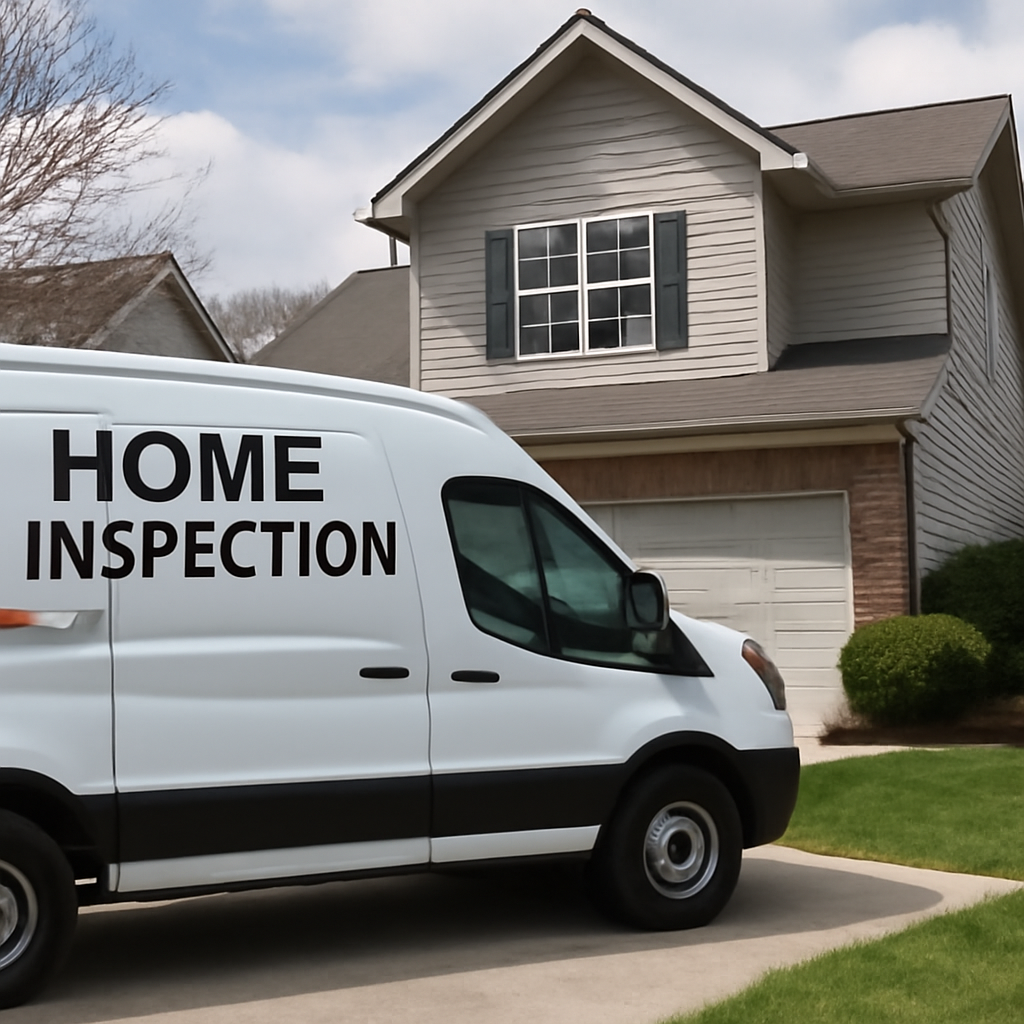
Axium Inspections is a US-based home-inspection franchise with locations primarily in the Carolinas and the broader Southeast. Buyers searching “axium home inspection” usually want one of two things: a sense of what booking with Axium specifically looks like, or a frame of reference for how any branded home-inspection service compares to the broader credentialing framework. This guide covers both. The Axium-branded service is one option among many; the credentialing filters that matter — ASHI Certified Inspector or InterNACHI Certified Professional Inspector designation — apply regardless of which franchise or independent inspector a buyer chooses.
What the Axium home inspection service includes
The Axium-branded home inspection follows the conventions of most franchise home-inspection services: a single inspector visits the property, walks the exterior first, accesses the roof when pitch and condition allow, then moves through the interior systems in a standard sequence. The fee structure typically runs $400-600 for a 1,500-3,000 sq ft single-family home in the Southeast US service areas, with add-ons priced separately for radon, mold, and termite inspections common in the regional market.
Franchise inspectors generally hold ASHI or InterNACHI credentials individually, and the franchise organization provides marketing infrastructure, reporting software, errors-and-omissions insurance backing, and continuing-education support. The buyer’s experience is similar to working with an independent inspector — the inspection scope follows the same standard of practice — but with the brand-recognition value of a multi-state network.
Whether a buyer chooses Axium specifically or any other franchise (HouseMaster, Pillar To Post, AmeriSpec, WIN Home Inspection, etc.), the underlying inspection product is similar. The differentiation among franchises is usually about marketing reach, software polish, and local-office quality rather than about scope of inspection.
Franchise vs independent home inspectors
Buyers commonly ask whether a franchise inspector delivers a better inspection than an independent. The answer is: it depends entirely on the individual inspector, not on the brand. ASHI and InterNACHI credentialing standards apply equally to franchise affiliates and independent operators. A skilled independent inspector with 1,000+ inspections of experience often outperforms a newly-certified franchise affiliate; an experienced franchise affiliate with strong office support often outperforms a solo independent without quality-control infrastructure.
The relevant filter for buyers is the credential, not the brand. ASHI Certified Inspector requires 250 paid inspections, passage of the National Home Inspector Examination, and peer-reviewed reports. InterNACHI Certified Professional Inspector requires the Inspector Exam and 24 hours of continuing education annually. Both organizations maintain public rosters where buyers can verify a credential.
Branded franchise affiliation provides marketing recognizability and (often) E&O insurance bundled into the engagement, but it does not substitute for the individual inspector’s credential and experience. A buyer asking for “an Axium home inspection” or asking for “an ASHI Certified Inspector” is asking for two different things — and the second filter is the one that matters most for inspection quality.
How to verify an inspector regardless of brand
The verification workflow is the same for franchise and independent inspectors. Start with the ASHI Find an Inspector search at homeinspector.org or the InterNACHI Find an Inspector search at nachi.org. Both rosters return inspectors by zip code and confirm the credential is active.
Once the credential is confirmed, request a sample report. A reputable inspector provides a redacted sample report from a recent inspection. The sample should show photo documentation, clear separation of observation and recommendation, executive-summary prioritization, and standards-of-practice references for excluded items. If the sample is a one-page checklist, the inspector is not the right fit for a serious property purchase.
Confirm the inspector carries errors-and-omissions insurance. Standard limits run $300,000-$1,000,000 per claim. Franchise affiliates often have E&O bundled through the franchise; independents carry it through individual policies. Either is fine — what matters is that coverage exists.
Our broader guide on hiring a home inspector on the Front Range walks through the same verification workflow with additional regional context for Colorado buyers, including which questions about contract terms and inspection-objection timing to raise during the booking call.
Pricing across franchise and independent inspectors
Franchise pricing tends to cluster near regional median rates rather than competing on price. In the Southeast US service areas where Axium operates, base pricing for a 1,500-3,000 sq ft home runs $400-600. In Front Range Colorado markets, the equivalent franchise pricing runs $450-650. Independent inspectors in either region sometimes price slightly lower ($350-500) but the spread is narrower than buyers expect.
Add-on pricing is similar across brands. Radon testing runs $150-200 (more relevant in Front Range than Southeast US, given regional radon prevalence). Termite or wood-destroying-organism inspections run $75-150 (more relevant in Southeast US given termite pressure). Sewer scope runs $150-250. Thermal imaging runs $100-150. Mold air sampling runs $300-500. Buyers should request a total inspection package quote rather than just the base fee.
Volume discounts for multi-property buyers (investors, relocation programs) are negotiable with both franchise and independent inspectors. The discount range varies but typically caps at 10-20% off list for repeat engagements.
What an Axium or any branded home inspection cannot tell you
The published ASHI Standard of Practice and the InterNACHI Residential Standards of Practice both define explicit exclusions that apply regardless of franchise affiliation. The inspection does not include destructive testing, code compliance audits, environmental sampling, or specialist engineering review. Findings flagged in the report often warrant specialist follow-up — a structural engineer for foundation concerns, a master plumber for sewer or supply-line issues, a licensed electrician for service-panel evaluations.
The inspection also does not predict future condition. A clean inspection report documents condition at the time of inspection. The roof passing inspection today does not guarantee the roof will pass inspection three years from now. Buyers should treat the report as a current-condition snapshot, not a multi-year warranty.
One commonly misunderstood limit: home inspections do not certify a property as safe, code-compliant, or defect-free. The inspector observes and documents. The buyer decides what to do with the information. This is true for Axium, for any other franchise, and for any independent inspector.
Coordinating specialist follow-ups
Most thorough home inspections surface at least one finding that warrants specialist follow-up before the buyer’s inspection-objection deadline expires. The franchise model (including Axium) typically maintains referral relationships with specialists in the regional market — structural engineers, electricians, plumbers, HVAC technicians, radon contractors. Buyers should verify these are referral relationships rather than financial-kickback relationships; legitimate referrals are useful, but referrals with paid finder’s fees compromise the independence of the original inspection.
The inspection-objection timeline in most state contracts allows seven to fourteen days from acceptance for buyers to complete the inspection, obtain any specialist follow-ups, and deliver an objection notice. Booking the home inspection within 48 hours of contract acceptance leaves room for specialist work without blowing the deadline. Buyers in Colorado specifically should confirm the inspection-objection deadline with their agent during contract drafting, since the negotiated date can vary from the standard form.
Comparing branded inspections to a specialist add-on package
For pre-1978 housing, the branded home inspection covers the structural and systems baseline but does not address hazardous-material risk. Buyers in homes built before 1978 should consider adding lead inspection (covered in our lead inspection near me guide) and asbestos assessment for visible materials that match common pre-1978 asbestos-containing material profiles (cement siding, vinyl flooring, popcorn ceilings, pipe insulation).
The branded inspection also typically excludes mold testing. Visible mold or musty odors documented in the inspection report warrant follow-up air sampling by a separate testing service. Front Range buyers should also strongly consider radon testing — Front Range counties show some of the highest residential radon levels in the US, and post-purchase mitigation costs ($1,200-2,500 for typical sub-slab depressurization systems) are easier to negotiate into the deal than to absorb after closing.
Reading the inspection report after the engagement
The report typically arrives within 24-48 hours of the inspection. Branded franchises usually use proprietary reporting software that produces a polished PDF; independent inspectors increasingly use the same commercial reporting platforms. The polish does not necessarily correlate with content quality, but it does correlate with how easy the report is to skim.
Buyers should read the executive summary first, then jump to the specific sections flagged in the summary, then read the remaining sections for context. The most material findings often appear in the structural, electrical, plumbing, and roofing sections; cosmetic and minor items typically appear in the interior and exterior finish sections. Most reports include a “Recommendations” or “Significant Items” appendix that consolidates the highest-priority findings for the buyer’s inspection-objection letter drafting.
The inspector’s continuing education and report quality
InterNACHI requires 24 hours of continuing education annually for its Certified Professional Inspector designation. ASHI requires 20 hours annually for its ASHI Certified Inspector credential. Branded franchises like Axium typically build CE requirements into their affiliate agreements, sometimes exceeding the association minimums. Continuing education quality matters: an inspector who completes generic check-the-box CE will have less current knowledge than an inspector who attends regional conferences, vendor training on new equipment, and specialty courses on emerging issues like polybutylene plumbing, federal-Pacific electrical panels, or aluminum branch wiring.
Buyers can ask about an inspector’s recent CE during the booking call. The question “what was the most useful continuing-education session you attended this year?” surfaces whether the inspector treats CE as a checkbox or a professional-development priority. The answer is often a meaningful filter for the inspection quality the buyer should expect.
Brand-specific considerations
For buyers in the Southeast US service areas where Axium operates, the practical decision is comparing local Axium affiliates against local independents and against other franchise affiliates. Pricing tends to cluster within a $50-100 range across the field, so the decision usually comes down to inspector availability within the contract window, sample-report quality, and any specific specialty needs (older home expertise, septic familiarity, specific subdivision knowledge).
For buyers outside the Southeast US, Axium is not a local option, and the question shifts to which franchises or independents do operate locally. The same credentialing filters apply. In Front Range Colorado markets, common franchise brands include Pillar To Post, HouseMaster, AmeriSpec, WIN Home Inspection, and Inspectorate. Each has multiple affiliates across the metro Denver, El Paso County, and northern Front Range markets.
What buyers commonly misunderstand about brand selection
Three misconceptions show up across buyer conversations. The first is that the brand guarantees inspection quality. It does not. The brand provides marketing recognizability and infrastructure; the individual inspector delivers the work. A buyer choosing Axium specifically because of brand recognition without verifying the local affiliate’s credentials and sample report is choosing on partial information.
The second misconception is that franchise inspectors are inherently more expensive than independents. Pricing varies more by metro than by brand vs independent status. A skilled independent in the same market often prices similarly to a franchise affiliate; sometimes higher, sometimes lower.
The third misconception is that the franchise organization audits inspection quality on individual inspections. Franchise affiliates operate as independent businesses under a licensing agreement. The franchise provides software, training, marketing, and (sometimes) bundled insurance, but does not typically QA individual inspection reports. The buyer’s quality control is the credentialing verification and sample-report review described above.
References
- ASHI Find an Inspector search and credentialing verification — American Society of Home Inspectors
- InterNACHI Certified Professional Inspector membership and roster — International Association of Certified Home Inspectors
- International Code Council reference codes used by inspectors — International Code Council